
Mountain Province sits at the heart of the Cordillera, and for most travelers the name is shorthand for one town: Sagada, with its hanging coffins, sunrise viewpoints and cave systems that have made it one of the most talked about highland destinations in the Philippines. But the province is more than Sagada alone. Bontoc, the provincial capital, and the Maligcong rice terraces nearby round out a trip for travelers willing to spend a few extra days in the mountains. This guide covers the full province, starting with Sagadas signature sights.
Sagadas Hanging Coffins
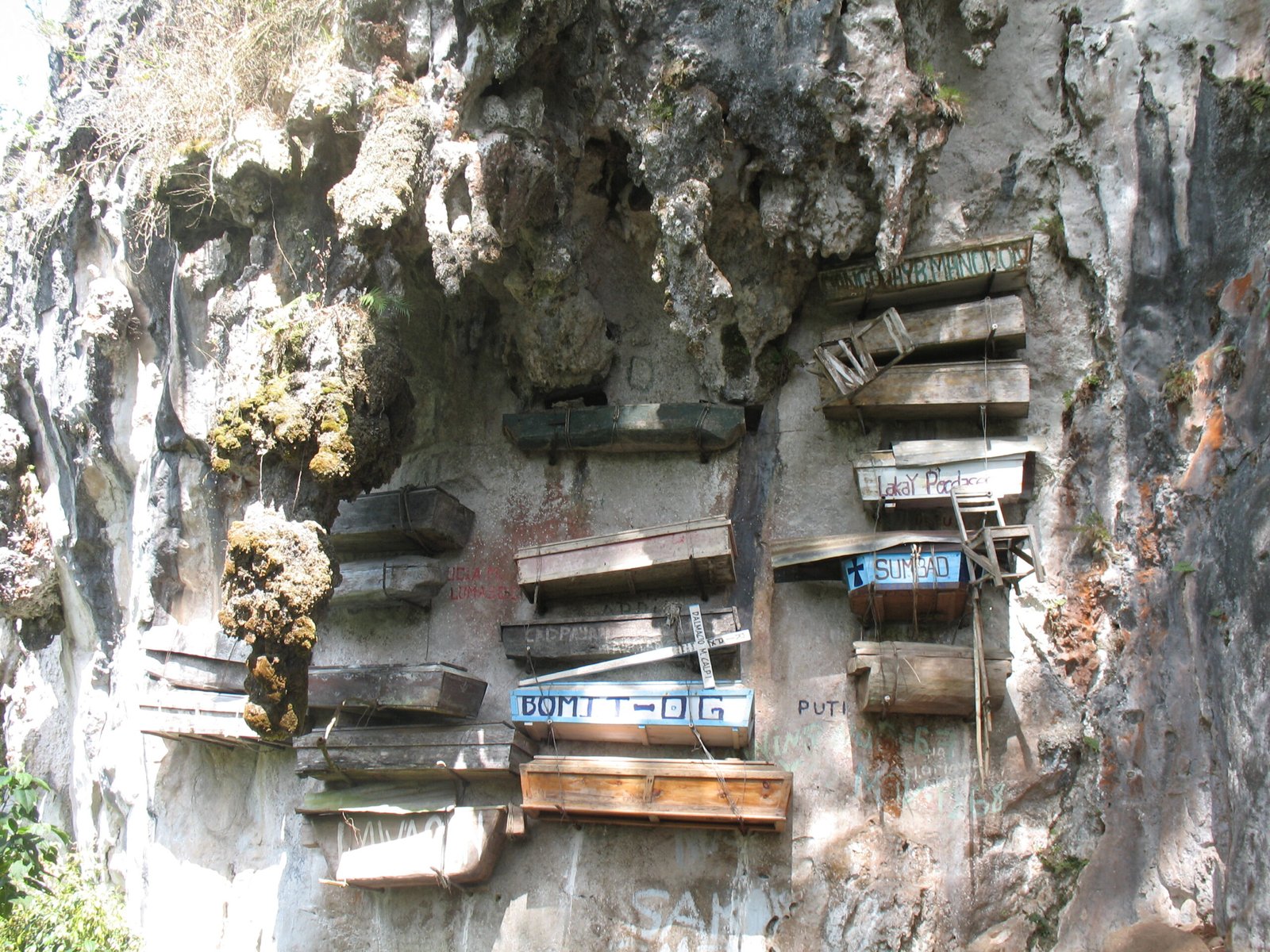
For over 2,000 years, the Kankanaey people of Sagada have suspended coffins from cliff faces or stacked them inside caves, believing that the higher the placement, the greater the chance the spirit reaches a higher plane in the afterlife. Traditional eligibility for this burial method required pure Kankanaey lineage, having grandchildren, and dying of natural causes, and the deceased were smoked to slow decomposition before the burial itself. The two main viewing spots are Echo Valley, a short hike from the town center holding the largest concentration of coffins, and the mouth of Lumiang Cave, where dozens of coffins are stacked just inside the entrance. The last traditional hanging burial took place in 2010, since most residents now choose Christian burial, but the coffins remain sacred, and visitors are asked to keep their distance and never touch them.
The Cave Connection: Lumiang to Sumaguing
Sagadas signature adventure activity is the Cave Connection, a guided spelunking traverse linking Lumiang and Sumaguing caves that takes roughly four to five hours and is rated moderately to highly challenging. Expect climbing, crawling, rappelling down limestone walls and wading through cold underground streams in near total darkness, lit only by headlamps and lanterns carried by your guide. The trek begins among Lumiangs ancestral coffins before descending into Sumaguing, known for dramatic stalactites, flowstone formations and pools. The route is entirely guided by accredited local guides, entry is restricted after 4 in the afternoon, and reasonable fitness along with comfort in tight, dark spaces is recommended before signing up. Travelers who want a gentler introduction can visit Sumaguing alone without attempting the full connection traverse.
Sunrise at Marlboro Hills
Kiltepan Viewpoint was long the classic spot for watching sunrise over a sea of clouds, roughly 3.5 kilometers from town, but it has remained closed to the public since a 2018 fire. Marlboro Hills has become the primary alternative, reached via an easy trail near the Staunton Road entrance close to a Petron station, offering a similarly misty, cloud draped sunrise over the valley after about an hours easy hike. Arriving before dawn is essential, since the clouds and light change quickly once the sun clears the ridgeline.
Bomod-ok Falls
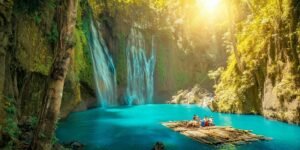
Bomod-ok Falls, known locally as the Big Falls since bomod-ok means big in the local Bontoc and Kankanaey dialect, is reached via a moderately challenging trek of roughly one hour and 45 minutes starting near Aguid Elementary School. The trail passes through Fidelisan and Pide villages and rice terraces, with a hot spring junction along the way for those who want to add a soak to the trip. The falls themselves drop dramatically into a swimmable pool, and while the descent is manageable, the uphill return can be tough, especially in midday heat, so an early start is worth planning around.
Sagadas Rules, Weaving and Coffee Culture
Sagada carries a strong eco conscious identity, and visitors are expected to respect it. Registration and fees are required at the municipal tourism office, activities must be booked through accredited guides, and strict rules apply: no smoking inside caves or at heritage sites, no littering, and travelers are urged to carry reusable water bottles rather than single use plastics, packing out all trash including wrappers and cigarette butts. Respect for sacred sites and rituals is emphasized throughout the town. Beyond the rules, Sagada is known for backstrap loom weaving, with Sagada Weaving dating back to 1968 and producing bags, garments and textiles using natural dyes, and for its high altitude Arabica coffee, grown locally and served in the towns well known cafes, a good way to warm up after an early morning viewpoint hike.
Bontoc: The Provincial Capital
Bontoc, the provincial capital about an hour from Sagada, serves as the practical gateway and transport hub for Mountain Province. Its main draw is the Bontoc Museum, which houses artifacts, historical photographs, weaving tools, farming implements and traditional Bontoc dwellings built from cogon grass and stone, alongside a research library covering Cordillera culture more broadly. It is a worthwhile stop for travelers who want context on the region before or after visiting Sagada, and most trips through Mountain Province pass through Bontoc regardless of the final destination.
Maligcong Rice Terraces
Near Bontoc, the Maligcong and Bayyo rice terraces offer amphitheater like terraced landscapes that rival Batad in beauty, with far fewer visitors and minimal commercial development. The path for viewing them is wider and easier than Batads, making them an appealing, lower crowded alternative for travelers who have already seen or plan to skip the more famous Ifugao terraces around Banaue and Batad, without sacrificing the visual payoff.
Best Time to Visit and Getting There
Sagada sits at about 1,500 meters elevation, giving it a notably cool highland climate, with nighttime temperatures of 8 to 10 degrees Celsius from December to February and daytime highs of 19 to 25 degrees Celsius. Travel from Manila takes about 12 hours by direct overnight bus, while the trip from Baguio to Sagada takes five to six hours, with hourly departures from Baguio starting around 6 in the morning. The best time to visit is November through April, the dry season, which offers the clearest mornings for sunrise viewpoints and the safest conditions for caving, while the June to September rains can bring landslides and disrupt travel throughout the province.
Plan Your Trip to Mountain Province
Ready to book? Compare hotels and tours in Mountain Province below.
- Search Hotels in Mountain Province on Booking.com
- Compare Hotels in Mountain Province on Agoda
- Find Tours and Activities in Mountain Province on Klook
- Book Tours in Mountain Province on GetYourGuide
Booking through these links may earn us a small commission at no extra cost to you.
More Mountain Province Guides
Planning the rest of your trip? Check out our full travel guide for logistics, costs and practical tips.
Quick FAQ
Can I still see a traditional hanging coffin burial in Sagada?
No. The last traditional hanging burial took place in 2010, since most residents now choose Christian burial, but the existing coffins remain in place at Echo Valley and Lumiang Cave and can still be viewed respectfully.
How difficult is the Cave Connection between Lumiang and Sumaguing?
It is rated moderately to highly challenging, involving climbing, crawling, rappelling and wading through cold water over four to five hours, so reasonable fitness and comfort in tight, dark spaces are recommended before booking.
Is Kiltepan Viewpoint still open for sunrise views?
No. Kiltepan has remained closed to the public since a 2018 fire. Marlboro Hills has become the main alternative for sunrise views over a sea of clouds.
How do I get from Baguio to Sagada?
Buses run the five to six hour route from Baguio to Sagada with hourly departures starting around 6 in the morning, making it the most common way travelers reach the town.
Are the Maligcong Rice Terraces easier to visit than Batad?
Yes. The viewing path at Maligcong is wider and easier than Batads, and the terraces see far fewer visitors, making them a good lower crowded alternative near Bontoc.