
Agusan del Norte sits in the Caraga region of Mindanao, anchored by Butuan City, which claims a place among the oldest continuously settled areas in the Philippines. Long before Manila or Cebu became trading centers, ancient plank boats called balangay were sailing out of the mouth of the Agusan River, and the evidence sits preserved in a museum built directly over the excavation site. This guide covers Butuan and the province around it, from that ancient port to the modern festival that celebrates it.
The Balangay Shrine Museum
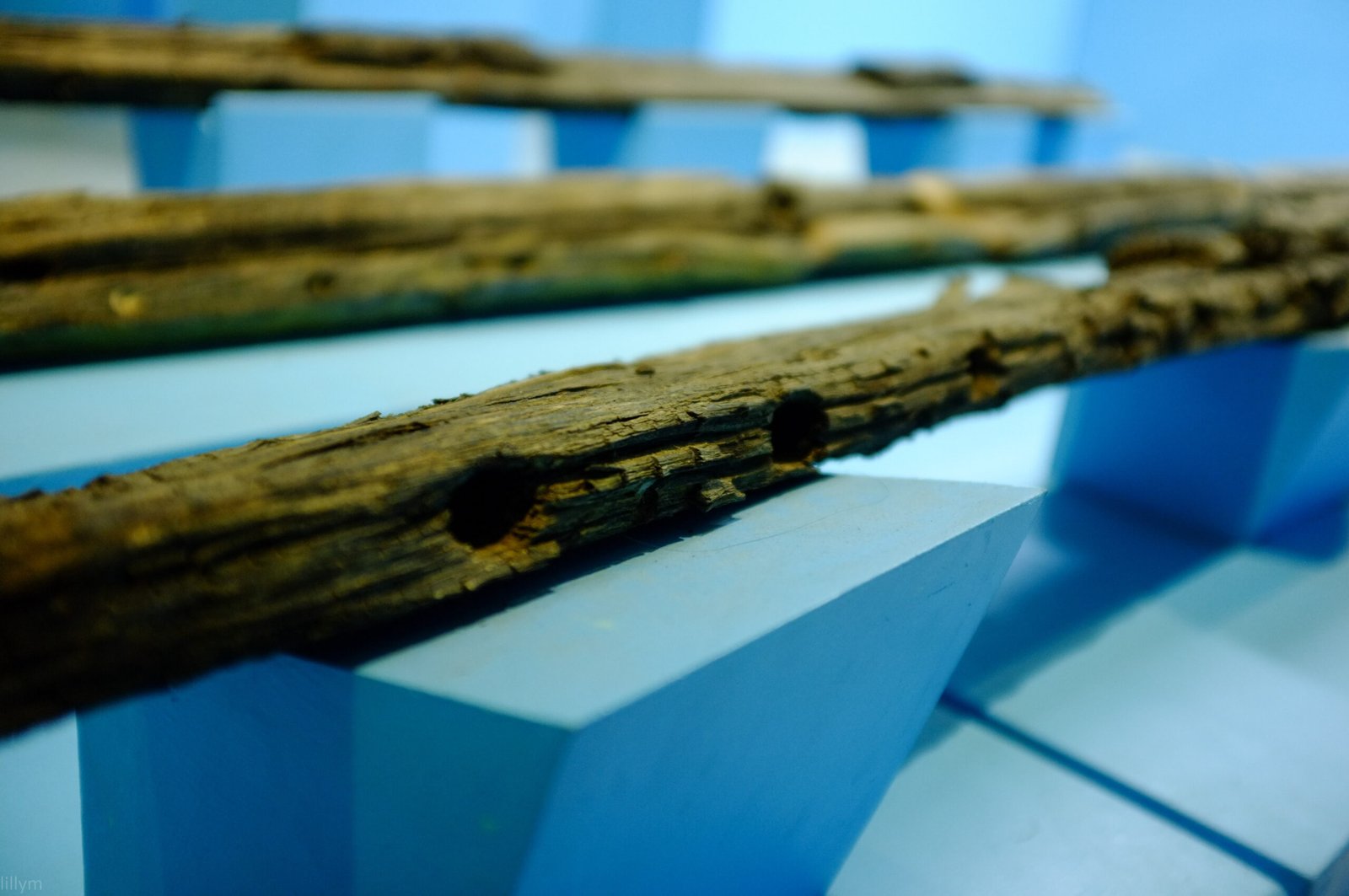
On the east bank of the Masao River, the Balangay Shrine Museum sits atop a waterlogged archaeological site that the National Museum began excavating in 1976. Over more than a decade, archaeologists uncovered nine to eleven wooden plank boats called balangay, the oldest dated to roughly 320 BCE and others to the 8th through 10th centuries CE. These vessels, some up to 25 meters long, reportedly sailed as far as China, India, Japan and possibly Madagascar, supporting Butuans claim as one of the earliest organized maritime trading centers in the Philippines and the likely source of the word barangay, still used today for the countrys smallest administrative unit. Walking through the shrine, built directly over the excavation, gives a rare direct look at boats this old still in their original resting place.
The National Museum Butuan
A separate but related site, the National Museum Butuan, also called the Museo Agusan, sits in Barangay Doongan and opened in 1978. Its archaeological and ethnological galleries hold gold ornaments, burial coffins, pottery and artifacts from the Manobo, Mamanwa, Higaonon and Butuanon peoples, giving a broader picture of the regions history beyond the balangay boats themselves. Pairing a visit here with the Balangay Shrine Museum makes for a full morning or afternoon of Butuans deep history.
Butuan and the First Mass Debate
Butuan sits at the center of a long running historical debate. For nearly three centuries after Ferdinand Magellans 1521 expedition, Spanish and Filipino accounts placed the first Catholic mass in the Philippines at Masao, near the mouth of the Agusan River. A late 19th century philological review of Antonio Pigafettas original chronicle, which names the site Mazaua rather than Butuan, shifted mainstream scholarly consensus toward Limasawa Island in Southern Leyte, and the National Quincentennial Committee formally affirmed Limasawa in 2021. Butuans claim persists locally and is still debated by some historians, though it is no longer the officially recognized site, making it an interesting footnote for travelers curious about the countrys colonial history rather than a settled fact.
Cruising the Agusan River
The Agusan River, the Philippines widest and longest navigable river and its third largest river basin, runs through Butuan and defines much of local life. Boat cruises pass the Magsaysay Bridge, the Banza Church ruins, Kayam Forest and a full scale balangay boat replica, often including demonstrations of sapyaw bamboo fishing and the cooking of palagsing, a local delicacy. Sunset cruises add views toward Mount Hilong-hilong and Mount Mayapay, and the river also serves as the gateway toward the Agusan Marsh further south in neighboring Agusan del Sur.
The Balanghai Festival
Held around May each year, the Balanghai Festival, also spelled Balangay, commemorates the ancient boats and Butuans early role in Asian maritime trade, doubling as a thanksgiving celebration for the citys patron, Saint Joseph. The festival features a fluvial parade and street dancing, and travelers who time a visit around it get to see Butuans history celebrated in the streets rather than just read about it in a museum.
Mount Mayapay
Mount Mayapay, a flat topped peak standing 675 meters and visible across the city, has served as a local landmark since the precolonial Kingdom of Butuan. Climbing it requires clearance since a military camp sits at the summit, but the roughly two hour trek rewards hikers with views over Butuan Bay and the Agusan plains. Nearby Dagangdang Falls offers another natural stop for travelers who want to add a hike or waterfall to an itinerary otherwise centered on museums and river cruises.
Nasipit: The Provinces Port Town
Nasipit, a coastal municipality separated from Butuan in 1929, functions as the provinces main international seaport, connecting to Manila, Cebu, Bohol and Cagayan de Oro. It retains a fair amount of World War II history, including the USS Narwhal landmark and a boardwalk along the water, alongside white sand beaches that give visitors a coastal counterpoint to Butuans history focused sights.
Getting to Agusan del Norte
Butuan Airport is served by Cebu Pacific and Philippine Airlines with frequent direct flights from Manila, taking about one hour and 40 minutes, as well as direct flights from Cebu. Dry season, roughly March through May, is generally considered the best time to visit, and it conveniently coincides with the Balanghai Festival, giving travelers a natural reason to time a trip around it.
Plan Your Trip to Agusan del Norte
Ready to book? Compare hotels and tours in Agusan del Norte below.
- Search Hotels in Agusan del Norte on Booking.com
- Compare Hotels in Agusan del Norte on Agoda
- Find Tours and Activities in Agusan del Norte on Klook
- Book Tours in Agusan del Norte on GetYourGuide
Booking through these links may earn us a small commission at no extra cost to you.
More Agusan del Norte Guides
Planning the rest of your trip? Check out our full travel guide for logistics, costs and practical tips.
Where to Stay in Butuan and Around the Province
Butuan City is where essentially all the accommodation is, and it is a working city rather than a resort town, so expect business hotels rather than beach huts. Budget inns and pension houses run around 700 to 1,200 PHP for a clean air conditioned room. Mid range hotels, which is where most visitors end up, sit around 1,500 to 3,000 PHP and usually include breakfast and reliable wifi. The handful of larger hotels near the commercial centre go up to roughly 4,000 PHP.
Outside Butuan the options thin out quickly. Cabadbaran and Nasipit have a few small lodges at around 600 to 1,000 PHP, adequate for a night but nothing more. If you want a beach base, most people cross over toward Surigao or head south instead, because Agusan del Norte’s coastline is working port rather than postcard.
Getting Around Once You Are There
Butuan is compact and multicabs and tricycles handle almost everything in town at around 15 to 40 PHP a ride. Buses and vans run along the highway to Cabadbaran, Nasipit and Buenavista frequently through the day, with fares generally around 50 to 120 PHP depending on distance.
For the river and the more remote sites, hiring a habal habal or a van for the day is the practical answer. A van with driver for a full day typically runs around 3,000 to 5,000 PHP, which is reasonable split between four or five people and expensive for a solo traveller. Agree the itinerary and the price before you set off rather than after.
What a Day and a Weekend Really Cost
Agusan del Norte is one of the cheaper provinces to visit, largely because there is no tourist pricing layer. Museum entry is minimal, often free or a token amount, and food is genuinely inexpensive, with a full meal at a local eatery around 80 to 150 PHP.
A frugal day, staying in a budget inn and using public transport, comes in around 1,200 to 1,800 PHP per person. A comfortable day with a mid range hotel and restaurant meals sits closer to 2,500 to 3,500 PHP. A two night weekend from Cagayan de Oro or Surigao, excluding flights, tends to land around 6,000 to 9,000 PHP per person, and a chunk of that is whatever you spend on hired transport.
Best Time to Visit Agusan del Norte
Caraga sits on the eastern seaboard, which means its rainfall pattern is close to the opposite of Manila’s. The wettest stretch runs roughly November to January, and that is also when the eastern coast takes the most weather. The drier, more settled months are generally around March to June.
The obvious exception is the Balanghai Festival in May, which is the single best time to be in Butuan if you want the city at its liveliest. Book accommodation well ahead for it, because Butuan does not have a huge room supply and the festival fills it.
What to Skip, Honestly
Not everything here is worth your time. Mount Mayapay is a modest climb with a view that is pleasant rather than spectacular, and if you are short on days it is the first thing to cut. The beaches within the province are workmanlike and you should not travel here expecting swimming.
The First Mass debate is genuinely interesting as history but the physical site is a marker and a small display, so temper expectations. And be clear that Butuan itself is not a pretty city. It is flat, hot and functional. What makes the province worth visiting is the archaeology, which is nationally significant and badly underappreciated, not the scenery.
Combining Agusan del Norte with the Rest of Caraga
Very few people come to Agusan del Norte alone, and that is the sensible way to treat it. Butuan is a natural stop on the overland route between Cagayan de Oro and Surigao, and Surigao is the jumping off point for Siargao, so two days here slots neatly into a longer Mindanao loop.
Inland, Agusan del Sur and the Agusan Marsh are a few hours south and considerably wilder. Our guide to the top things to do in Agusan del Sur covers the marsh and the floating village, which is the most distinctive thing in either province.
What to Eat in Butuan
Butuan’s food scene is plain and cheap rather than celebrated, but a few things are worth seeking out. Sinuglaw, grilled pork combined with raw fish cured in vinegar, is a Mindanao staple and done well here. River and estuary seafood turns up on most menus, and the local crab is good and priced far below what you would pay in Manila.
The public market is the honest place to eat, with cooked food stalls serving full meals at around 80 to 150 PHP. Butuan also has a small cluster of grill restaurants that fill up in the evening and are the closest the city gets to a night out. Do not expect much beyond that, because Butuan shuts down early on weeknights.
Practical Notes Before You Go
Bangunay Airport, usually just called Butuan Airport, has daily flights from Manila and Cebu, and it is the fastest way in. ATMs and banks are plentiful in the city and scarce outside it, so draw cash before heading to the river or the outlying towns. Mobile signal is solid along the highway and patchy inland. English is widely spoken, and Butuanon and Cebuano are the everyday languages.
Continuing north along the coast, our guide to things to do in Gingoog City covers the waterfall country between here and Cagayan de Oro, and the Dinagat Islands guide covers the island province just offshore.
Quick FAQ
Is Butuan really the site of the first Catholic mass in the Philippines?
The officially recognized site, affirmed by the National Quincentennial Committee in 2021, is Limasawa Island in Southern Leyte. Butuans claim persists locally and remains debated by some historians, but it is no longer the accepted historical consensus.
How old are the balangay boats at the Balangay Shrine Museum?
The oldest excavated boat dates to roughly 320 BCE, with others dated to the 8th through 10th centuries CE, making them among the oldest watercraft discoveries in Southeast Asia.
When is the best time to visit for the Balanghai Festival?
The festival takes place around May each year, coinciding with the dry season, which also offers the most reliable weather for a Butuan trip overall.
How do I get to Butuan from Manila?
Cebu Pacific and Philippine Airlines run frequent direct flights from Manila to Butuan Airport, taking about one hour and 40 minutes.
Do I need a permit to climb Mount Mayapay?
Yes. Since a military camp sits at the summit, climbing the mountain requires clearance, so travelers should arrange this in advance rather than showing up expecting open access.