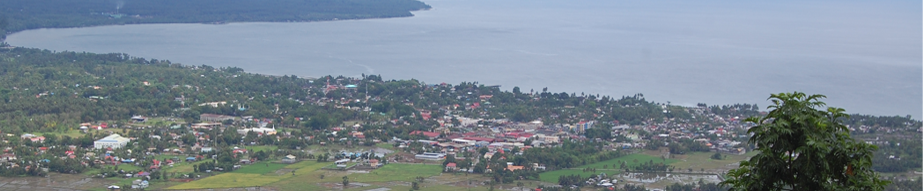

Gingoog City sits along the northern coast of Mindanao in Misamis Oriental, roughly midway between Cagayan de Oro and Butuan, and it remains one of the less visited stops in the region despite a genuine cluster of waterfalls, a scenic bay and a bit of local color that sets it apart from bigger neighboring cities. It is not a place most travelers build a whole trip around, but it works well as a stop along a broader northern Mindanao route or as a quieter alternative to more heavily touristed destinations nearby.
This guide covers the best things to do in Gingoog, how to get there, when to visit, and what to budget.
Why Gingoog Is Worth the Trip
Gingoog offers a cluster of accessible waterfalls, a scenic bayfront, and one genuinely unusual attraction in the only Oolong tea plantation in the country, all within a compact enough area to cover in a day or two without much complicated logistics. It is a good pick for travelers who want a slower paced, less crowded stop between the bigger draws of Cagayan de Oro and Butuan.
Getting to Gingoog
- From Cagayan de Oro: Buses run from the Agora Integrated Bus Terminal, operated by lines including Bachelor Express, Pabama and the locally run Bagong Lipunan, with the trip taking roughly 2.5 to 3 hours.
- From Butuan: Gingoog sits closer to Butuan than to Cagayan de Oro, with bus travel time running around 2.5 hours or sometimes less.
- By air: Laguindingan International Airport near Cagayan de Oro is the nearest major airport, requiring a connecting bus or van onward to Gingoog.
Top Things to Do in Gingoog
1. Visit Tiklas Falls
Tiklas Falls, in Barangay Lawit, has been developed into an eco-tourism park by the city government and is easily reached by motorcycle or private vehicle from the city center. It is the most accessible and most visited of the waterfalls around Gingoog, making it a natural first stop for a nature-focused day.
2. See Pigholawan Falls from the Dinawehan View Deck
Pigholawan, also known as Kagalaw-an Falls, is a multi-tiered waterfall best viewed from the Dinawehan View Deck in Barangay Dinawehan. The view deck angle gives a fuller sense of the falls than trying to approach from the base, making it a worthwhile stop even for visitors who are not planning to hike down to the water itself.
3. Explore Badiangon Beach and Mount Lumot
Badiangon Beach and Mount Lumot round out the outdoor attractions of Gingoog, giving visitors a coastal option alongside the inland waterfalls. Mount Lumot appeals to hikers looking for a more physically demanding day than the waterfall visits require.
4. Walk Along Bay Gingoog
Bay Gingoog offers a waterfront promenade overlooking Gingoog Bay, a straightforward, easy stop for a sunset walk or a relaxed evening after a day spent chasing waterfalls further inland.
5. See the Giant Fruit Sculptures at the City Plaza
The Dagkong Prutas sa Gingoog, or Giant Fruits of Gingoog, is a cluster of oversized fruit sculptures, including lanzones, durian, pineapple, banana, mango and coconut, arranged around the city plaza. It is a quirky, low effort photo stop that reflects the agricultural identity of the city, and a good quick addition to an itinerary otherwise focused on nature.
6. Visit the Oolong Tea Plantation
Barangay Kalagonoy in Gingoog is home to the first and only Oolong tea plantation in the Philippines, a genuinely unusual attraction for a country better known for coffee and cacao than tea cultivation. A visit here offers a different kind of agricultural tourism stop compared to the waterfalls and beaches that dominate the rest of the list.
Best Time to Visit Gingoog
The dry season, roughly November through May, offers the most reliable conditions for waterfall visits and outdoor sightseeing, since heavy rain can make trails to some of the falls slippery or difficult to access. As with the rest of Mindanao, local weather patterns can differ from the seasonal norms elsewhere in the Philippines, so checking current conditions before a trip is worthwhile.
What to Budget
- Bus from Cagayan de Oro: roughly 200 to 250 pesos each way
- Bus from Butuan: similar or slightly lower, given the shorter distance
- Waterfall entrance fees: generally modest, in line with small eco-tourism park pricing elsewhere in Mindanao
- Food and local transport: inexpensive compared to bigger nearby cities, with tricycles covering most short trips around town
Sample Itinerary
1 to 2 Days
Day one for Tiklas Falls and the Dinawehan View Deck for Pigholawan Falls, plus a stop at the city plaza for the giant fruit sculptures. Day two, if you have it, for Badiangon Beach, Mount Lumot, or the Oolong tea plantation depending on whether you prefer coast, hiking or agricultural tourism.
Practical Tips for Gingoog
- Arrange transport to the waterfalls and view decks ahead of time, since public transport does not run directly to most of these spots and a private vehicle or motorcycle rental is generally the more practical option.
- Bring cash, since card payment is limited outside the largest establishments in the city center.
- Wear proper footwear for waterfall visits, since trails can be uneven and slippery, particularly outside the dry season.
- Confirm current bus schedules ahead of time given the limited daily frequency on some routes.
A Closer Look at the Waterfalls
The cluster of waterfalls in Gingoog gives the city a genuine claim to outdoor tourism despite its relatively low profile compared to bigger destinations in the region. Tiklas Falls, the most developed of the group, has basic facilities in place given its eco-tourism park status, making it approachable even for visitors who are not experienced hikers. Pigholawan Falls rewards a bit more effort, with the multi-tiered drop best appreciated from the Dinawehan View Deck rather than a close-up approach, giving a wider photographic view of the full falls rather than a single tier. Together, the two give a reasonable full day of waterfall sightseeing without requiring the more demanding trekking that some other Mindanao waterfall destinations involve.
Where to Stay in Gingoog
Gingoog has a modest selection of hotels and guesthouses in the city center, generally simpler and smaller in scale than accommodation options in Cagayan de Oro or Butuan. Most visitors treat Gingoog as a shorter stop of a night or two rather than a extended stay, given the more limited range of activities compared to the larger cities on either side of it along the coast.
Plan Your Trip to Gingoog
Ready to book? Compare hotels and tours in Gingoog below.
- Search Hotels in Gingoog on Booking.com
- Compare Hotels in Gingoog on Agoda
- Find Tours and Activities in Gingoog on Klook
- Book Tours in Gingoog on GetYourGuide
Booking through these links may earn us a small commission at no extra cost to you.
More Gingoog Guides
Planning the rest of your trip? Check out our full travel guide for logistics, costs and practical tips.
Gingoog City Waterfalls: The Full List and What Each Costs
Gingoog calls itself the City of Waterfalls and for once the tourism slogan is accurate. There are dozens of falls across the uplands, and four are realistically visitable without a serious trek.
Tiklas Falls in Barangay Lawit is the headline. Roughly 120 feet of water dropping into a pool about 30 metres across, and the city government has developed it into an eco tourism park, so there are steps, rails and a caretaker. Entrance is around 20 to 50 pesos. Open roughly 7am to 5pm. From the highway drop off you walk about 350 metres.
Kilubag Falls and Bangbang Falls sit on the same Libon Lawit system as Tiklas. Bangbang is around 70 feet. Kilubag is the one locals rate highest and the one most visitors skip because it takes an extra twenty minutes on foot. Do not skip it.
Bakid Bakid Falls is about 100 feet and reachable by jeepney or habal habal. Quieter than Tiklas and often empty on weekdays.
Kinabalan Falls drops over 30 metres into forest. The access road is rough and a habal habal driver who knows it is worth the extra fifty pesos.
Budget roughly 50 to 150 pesos in fees per falls, plus around 150 to 300 pesos each way for a hired habal habal. Guide fees where they apply are usually around 200 to 300 pesos for a group.
How to Get to Gingoog City from Cagayan de Oro
Almost everyone arrives via Cagayan de Oro, which has the nearest airport at Laguindingan, roughly 45 kilometres west of CDO.
Bus: From the Agora Bus Terminal in CDO take anything bound for Butuan or Gingoog. Journey time is around two to three hours and the fare is roughly 180 to 260 pesos for ordinary, a little more for air conditioned. Buses run frequently from early morning until late afternoon.
Van: Shared vans cover the same route in around two hours for roughly 250 to 300 pesos. Faster, tighter, and they leave when full.
From Laguindingan Airport: Take the shuttle or a van into CDO first, around 200 to 250 pesos and roughly an hour, then pick up the Gingoog bus. Allow around four hours airport to Gingoog in total.
For the falls specifically: tell the conductor you are getting off at Eskina Santiago, then hire a habal habal from there. Around 150 pesos hired one way to the Tiklas entrance is the going rate.
Getting Around Gingoog
Downtown Gingoog runs on motorela and trisikad, usually around 15 to 30 pesos for a short hop. Jeepneys and multicabs serve the outlying barangays for roughly 20 to 60 pesos depending on distance. For the uplands you want a habal habal, and hiring one for a half day at around 600 to 1,000 pesos is far easier than negotiating each leg. Agree the price and the stops before you set off.
Where to Stay in Gingoog
Expectations should be modest. Gingoog is a working city, not a resort town, and the accommodation reflects that.
Budget, roughly 600 to 1,000 pesos a night: simple pension houses and inns around the city centre. Fan or basic aircon rooms, private bathroom, no frills. Perfectly clean, nobody’s holiday highlight.
Mid range, roughly 1,200 to 2,200 pesos: a handful of small hotels and roadside lodges with reliable aircon, hot water and wifi that works most of the time.
Upper end, roughly 2,500 to 4,000 pesos: the few beachside and resort style properties along the bay. This is as good as it gets locally, and it is closer to a comfortable provincial hotel than a resort.
Many visitors instead base themselves in Cagayan de Oro, where the choice is far wider, and treat Gingoog as a long day trip. That is a reasonable call if you only want Tiklas.
What a Trip to Gingoog Actually Costs
A day trip from Cagayan de Oro: roughly 1,200 to 1,800 pesos per person. Bus both ways around 400 to 520 pesos, habal habal around 300 to 500 pesos, entrance fees around 100 pesos, food around 300 pesos.
A day based in Gingoog: roughly 1,500 to 2,500 pesos including a budget room, two falls, transport and meals.
A weekend for two: roughly 7,000 to 11,000 pesos including a mid range room for two nights, three or four waterfalls, all transport and food.
Food is cheap. A carinderia meal runs around 80 to 150 pesos and a decent restaurant dinner around 250 to 400 pesos.
Best Time to Visit and What to Skip
The dry months from roughly December through May give the safest trail conditions and the clearest pools. The falls are at their most dramatic in the wet season from around June to November, but that is also when trails get slippery and flash flooding closes access without warning. If you are set on the wet season, go early in the day and ask locally before you set out.
Now the honest part. Gingoog city centre itself has very little to see, and if you arrive expecting a charming heritage town you will be disappointed within an hour. The bay is not a swimming beach. Some of the smaller falls are underwhelming after you have seen Tiklas and Kilubag, so two or three is the right number rather than five. And the roads to the upland falls are genuinely rough, so anyone with back problems should think twice about a long habal habal ride. Gingoog rewards people who came specifically for waterfalls and disappoints everyone else.
Planning a wider Mindanao trip? Our guide to things to do in Cagayan de Oro covers the natural gateway city, and the Iligan waterfalls guide covers the other great falls destination on the north Mindanao coast.
Quick FAQ
How many days do you need in Gingoog?
One to two days covers the main waterfalls, the city plaza and one additional stop, whether that is the beach, a hike or the tea plantation.
How do you get to Gingoog City?
Buses run from the Agora terminal in Cagayan de Oro, roughly 2.5 to 3 hours, or from Butuan, roughly 2.5 hours or less given the shorter distance.
Is Gingoog worth visiting on its own?
It works best as a stop along a broader northern Mindanao itinerary between Cagayan de Oro and Butuan rather than a sole destination, given its smaller scale compared to those two cities.
What is Gingoog known for?
Gingoog is known for its cluster of accessible waterfalls, its bayfront promenade, and the only Oolong tea plantation in the country.
What is the best time to visit Gingoog?
November through May, during the dry season, offers the most reliable conditions for waterfall visits and outdoor sightseeing.