
Agusan del Sur sits inland in the Caraga region of Mindanao, built around one of the largest wetlands in the Philippines and a string of waterfalls scattered across its towns. The province spent decades better known for insurgent activity than tourism, but that changed through 2025 and 2026, when the last active cells in the region were dismantled and Caraga was formally declared insurgency free. Main towns, the provincial roads and the marsh itself are treated as safely accessible with normal precautions, and tours through the marsh in particular are always arranged through accredited local guides rather than independently, a practice that predates the recent security improvements and remains standard today. This guide covers what makes the province worth visiting now that it is easier to reach without hesitation.
Agusan Marsh Wildlife Sanctuary
The Agusan Marsh Wildlife Sanctuary is the provinces flagship attraction, a vast freshwater wetland spanning roughly 19,000 hectares, with some estimates reaching up to 42,000 hectares including buffer zones, across the towns of Bunawan, La Paz, Loreto, Rosario, San Francisco, Talacogon and Veruela. Declared a Ramsar Wetland of International Importance in 1999, it ranks among the largest wetlands in the country and functions as a natural sponge for the Agusan River basin, feeding around 59 interconnected lakes. Birdwatchers come for herons, egrets, kingfishers and migratory species, while crocodile sightings, including the marshs population of large saltwater crocodiles, are a genuine draw for visitors, alongside water lilies and giant lotus blooms that carpet parts of the water during bloom season.
Visiting the Floating Village of Panlabuhan
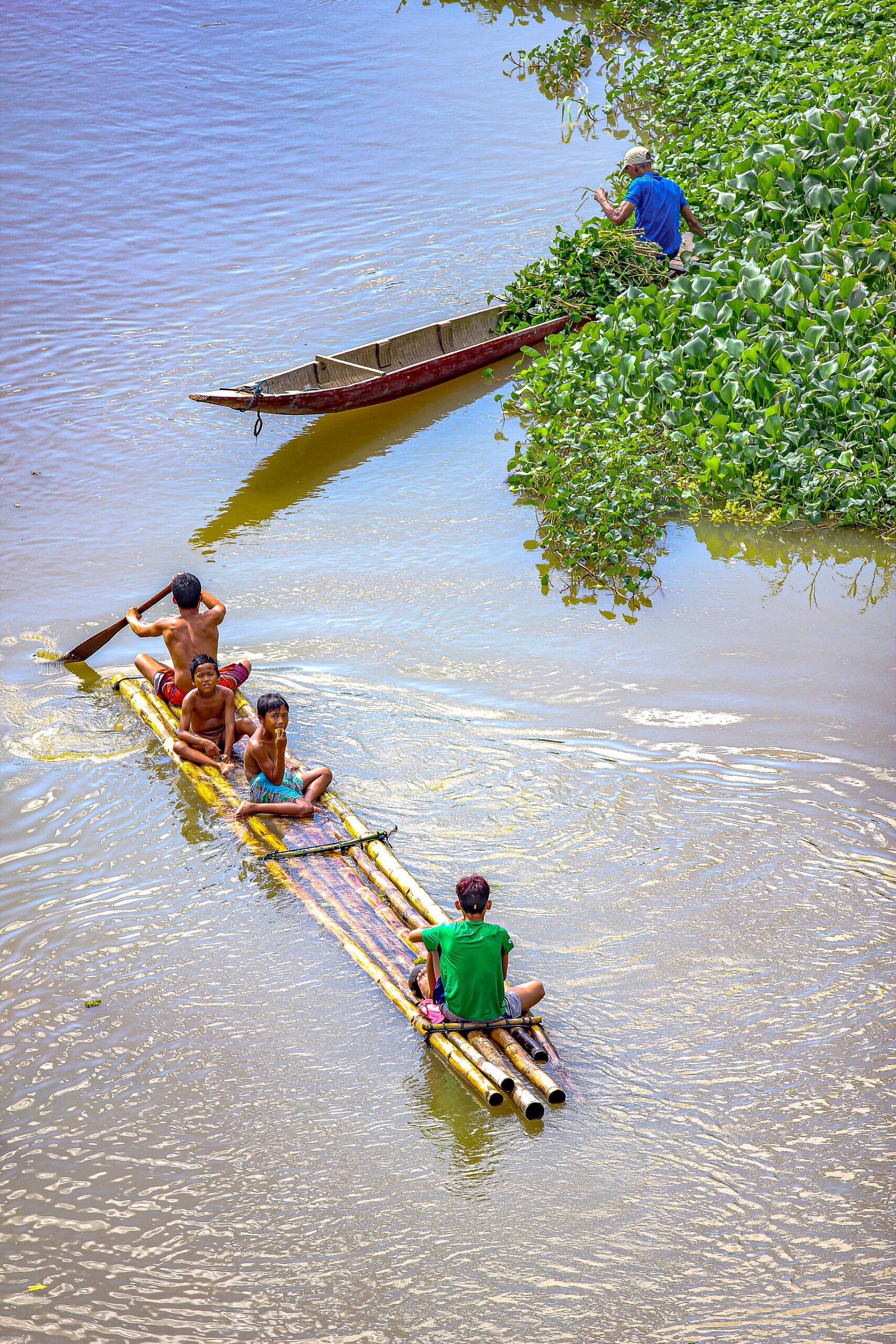
Inside the marsh live the Agusanon Manobo, whose houses float and rise with the water level rather than sitting on fixed ground. The community at Panlabuhan, in Barangay Poblacion, Loreto, is the most visited of these floating villages. Tours are arranged through the Bunawan Eco-Tours Group, which runs guided boat trips from Bunawan Wharf in Barangay San Teodoro; motorized canoes take about four hours one way to reach the deeper floating villages, making this a full day or overnight trip rather than a quick stop. Boat rental runs roughly 3,500 pesos for five passengers up to 5,000 pesos for ten, and day or overnight eco-cultural tours can be booked directly through the Bunawan tourism office.
Bayugan City: Waterfalls and Adventure
Bayugan City functions largely as the provinces commercial and transport gateway, the most populous city in Agusan del Sur, with malls, markets and bus terminals. It also has its own nature draws, including Pinagalaan Falls, Bayug Falls, also called Hamogaway Falls, Gethsemane Falls, and the Magkiangkang and Tagapua caves. Civic landmarks include the Bayugan Rotunda, billed as one of the widest circular parks in Mindanao, along with Rizal Park Plaza, Narra Avenue and the Wawa Bridge, a long steel bridge popular for photos. For adventure travel, Green Haven Adventure Farm offers pools, a three point zipline, a mini zoo and trekking trails, and whitewater rafting on the Agusan River is available for visitors who want a more active day.
Prosperidad: Bega Falls and the Capital
Prosperidad, the provincial capital, is home to Bega Falls, a striking four tier cascade with swimmable basins at each level, along with Tiger Falls and Tugonan Falls nearby. As the seat of provincial government, Prosperidad also functions as a natural base for arranging trips to other parts of Agusan del Sur, with tourism offices able to help coordinate visits to the marsh or other towns.
San Francisco: Mount Magdiwata and the Gibong River
San Francisco is home to Mount Magdiwata, the provinces highest peak, a solid option for hikers looking for a longer trek than the provinces waterfalls typically offer. The town also provides access to the Gibong River, used for tubing and kayaking, giving San Francisco a broader range of activities than some of the smaller towns nearby.
Getting to Agusan del Sur
Butuan City in neighboring Agusan del Norte, served by Bancasi Airport, is the main air gateway to the province. From there, it takes about two to two and a half hours by bus or van via the Butuan Langihan Integrated Terminal to reach Prosperidad or San Francisco, with operators including Bachelor Express running frequent trips for around 150 pesos. From Davao City, buses running toward Butuan or Surigao also pass through San Francisco and Prosperidad. Dry season, from November to May, is the best time to visit, with March through May offering the driest trails and calmest water for river activities.
Plan Your Trip to Agusan del Sur
Ready to book? Compare hotels and tours in Agusan del Sur below.
- Search Hotels in Agusan del Sur on Booking.com
- Compare Hotels in Agusan del Sur on Agoda
- Find Tours and Activities in Agusan del Sur on Klook
- Book Tours in Agusan del Sur on GetYourGuide
Booking through these links may earn us a small commission at no extra cost to you.
More Agusan del Sur Guides
Planning the rest of your trip? Check out our full travel guide for logistics, costs and practical tips.
Agusan Marsh: What a Visit Actually Involves
The marsh is the reason to come to Agusan del Sur, and it is not a casual stop. It covers roughly 15,000 hectares of the Agusan River basin, it is a Ramsar wetland of international importance, and getting onto the water takes planning rather than turning up.
Entry points: Bunawan and Loreto, both on the national highway between Butuan and Davao. Bunawan is the usual choice because it has the most established boat arrangements and the local tourism office is used to visitors.
Boat hire: roughly 3,500 pesos for a boat carrying about five people, and around 5,000 pesos for a ten seater. That is the single biggest cost of the trip and it is per boat, not per person, so a group of four or five pays very little each and a solo traveller pays a lot.
Journey time: around three hours by river boat from Bunawan to reach the Panlabuhan floating village. This is not a quick loop. Budget the whole day, or better, stay overnight.
Arrange it in advance through the Bunawan municipal tourism office or the provincial tourism office in Prosperidad. Showing up unannounced and hoping to find a boat is how people lose a day.
Bring dry bags for cameras and phones, and leave the bulk of your luggage at your Butuan hotel. Everything on the marsh gets wet.
Entrance Fees and Practical Numbers
Hedged figures, because provincial rates move and are not always posted online.
Bega Falls, Prosperidad: entrance around 70 pesos for adults plus an environmental fee of around 50 pesos. Parking is a small extra. Open roughly 7am to 5pm.
Agusan Marsh: there is usually a small registration or environmental fee of around 50 to 100 pesos per person on top of the boat hire, plus a guide fee of roughly 500 to 1,000 pesos for the group.
Mount Magdiwata, San Francisco: registration around 50 to 100 pesos, and a guide is around 500 pesos for a group. You are required to register with the barangay before climbing.
Gibong River and the smaller Bayugan falls: generally around 20 to 50 pesos where a fee is collected at all, and several have none.
Habal habal hire to reach trailheads and falls runs roughly 150 to 400 pesos one way depending on distance and road condition, or around 800 to 1,200 pesos for a half day with the driver waiting.
How to Get to Agusan del Sur
There is no commercial airport in the province, so you arrive overland from one of two directions.
Via Butuan, the usual route. Bancasi Airport in Butuan has daily flights from Manila and Cebu. From Butuan, buses and vans run south along the highway through Prosperidad, San Francisco, Bunawan and Trento. Butuan to Prosperidad is roughly one and a half to two hours for around 120 to 180 pesos. Butuan to Bunawan is closer to three to four hours by bus with all the stops, or two to three hours in a private vehicle, and costs roughly 200 to 300 pesos.
Via Davao, if you are coming from the south. Davao to San Francisco or Bunawan runs around four to five hours on the same highway for roughly 300 to 450 pesos. Bachelor Express and Davao Metro Shuttle both cover the route frequently.
Timing note: if you are heading for the marsh, leave Butuan by around 11am at the latest. The boats do not run late and you do not want to be arranging one at dusk.
Getting Around the Province
Agusan del Sur is long and strung along one highway, which makes it simpler than it looks. Buses and vans run the highway constantly between towns, so moving between Prosperidad, San Francisco, Bayugan and Bunawan is easy and cheap at roughly 50 to 150 pesos a leg.
Getting off the highway is the harder part. Falls, trailheads and the marsh access points all need a habal habal or a hired van, and the roads to them range from rough to genuinely bad. If there are two or more of you, hiring a van for the day at roughly 2,500 to 4,000 pesos removes most of the friction and is worth it.
Where to Stay in Agusan del Sur
Set expectations honestly. This is not a tourism province and the accommodation reflects that.
Budget, roughly 600 to 1,100 pesos a night: pension houses and small inns in Prosperidad, Bayugan and San Francisco. Basic, clean, aircon if you pay the top of that range.
Mid range, roughly 1,300 to 2,500 pesos: a handful of proper small hotels, mostly in Bayugan and San Francisco, which are the two most developed towns. Reliable aircon, hot water, wifi that mostly works.
Eco resorts, roughly 1,500 to 3,500 pesos: a few farm and nature resorts including the Mount Magdiwata area, good for families and a more pleasant setting than a highway hotel.
Overnight on the marsh: homestay with a Manobo family in the floating village, typically arranged through the tourism office at around 500 to 1,000 pesos per person including simple meals. Very basic, and the most memorable night you will have in the province.
Many visitors base in Butuan, which has a wider hotel choice, and day trip into the province. That works for Bega Falls and Magdiwata. It does not work for the marsh.
What a Trip to Agusan del Sur Costs
A day trip from Butuan to Bega Falls: roughly 900 to 1,500 pesos per person including bus both ways, habal habal, fees and food.
A marsh day trip for a group of four: roughly 2,500 to 3,500 pesos each, with the boat split four ways being the dominant cost.
An overnight marsh trip for two: roughly 6,000 to 9,000 pesos all in, including boat hire, homestay, fees and transport from Butuan.
Three days covering the marsh, Bega Falls and Magdiwata, for two: roughly 15,000 to 22,000 pesos including accommodation, all transport and food.
Food is very cheap. A carinderia meal is around 70 to 130 pesos and a decent restaurant dinner around 200 to 350 pesos. There are few restaurants aimed at visitors, so eat what the locals eat.
Best Time to Visit and What to Skip
The marsh changes completely with the season. From roughly November through March the water is high, the floating village is properly afloat, and migratory birds arrive in large numbers, which is the reason most serious visitors come. From around April to June the water drops and parts of the marsh become mudflat, which is less photogenic but easier going. The falls, conversely, are strongest in the wetter months.
Caraga does not sit on the main typhoon track but it gets heavy rain, and the unpaved roads to the falls and trailheads turn bad fast. Check locally before committing to a rough road day.
The honest negatives. Agusan del Sur is a hard province to visit casually: distances are long, the roads off the highway are poor, and almost nothing is set up for walk-in tourists. The marsh is expensive for solo travellers because the boat cost does not scale down. The towns themselves, Prosperidad and San Francisco included, have nothing to see and you should treat them purely as bases. Some of the smaller falls promoted by local tourism pages are modest and not worth a two hour habal habal ride. And if you arrive in the dry months expecting the classic floating village photographs, you may find the water low and the scene ordinary. This province rewards people who plan ahead and have a specific target. It punishes improvisation.
If you are building a wider Caraga and northern Mindanao route, see our guides to Agusan del Norte, Gingoog City and Cagayan de Oro.
Quick FAQ
Is it safe to visit Agusan del Sur now?
Main towns, provincial roads and the Agusan Marsh are treated as safely accessible with normal precautions following the regions insurgency free declaration in 2026. Marsh tours are always arranged through accredited local guides, a standard practice that predates the recent security improvements.
How do I book a tour of the Agusan Marsh?
Tours run through the Bunawan Eco-Tours Group, departing by motorized canoe from Bunawan Wharf in Barangay San Teodoro, and can be booked directly through the Bunawan tourism office for a day trip or an overnight eco-cultural tour.
How long does it take to reach the floating villages inside the marsh?
Reaching the deeper floating villages, including Panlabuhan, takes about four hours one way by motorized canoe, making it a full day or overnight trip rather than a quick excursion.
What is the best time of year to visit Agusan del Sur?
Dry season, from November to May, is best, with March through May offering the driest hiking trails and the calmest water conditions for tubing, kayaking and rafting.
How do I get to Agusan del Sur from Butuan?
Buses and vans depart from the Butuan Langihan Integrated Terminal and reach Prosperidad or San Francisco in about two to two and a half hours, with fares around 150 pesos.