
Is Manila safe for tourists? The short answer is yes, for the overwhelming majority of visitors, provided you treat it like any large capital city rather than a resort town. Manila is not dangerous in the way headlines suggest, but it also isn’t the kind of place where you can wander anywhere at any hour without thinking. The risk you will actually meet is petty: a taxi meter that never gets switched on, a phone lifted off a café table, a kalesa driver who quoted one price and asks for five times that at the end of the ride. Violent crime against foreign tourists is genuinely rare.
This guide is the honest version. It covers which districts are fine, which ones deserve caution, which ones you have no reason to enter, what the common scams look like in practice, roughly what things cost in PHP so you know when you are being overcharged, and what to do if something goes wrong. It also tells you where Manila disappoints, because pretending a city is flawless is not safety advice.
The Short Answer: Is Manila Safe for Tourists in 2026?
Manila is broadly safe for tourists who stay in the main visitor districts, use ride-hailing apps instead of street taxis, and stay alert in crowds. Millions of foreign visitors pass through every year without incident. The US State Department keeps the Philippines at a Level 2 advisory, which means exercise increased caution, the same rating applied to France, Italy and the UK at various points. It is not a warning to stay away.
What the rating does not capture is how uneven Manila is. Metro Manila is sixteen cities stitched together. Bonifacio Global City feels like Singapore. Tondo, a twenty minute drive away, is one of the densest urban districts on earth and is not a place to explore casually. Treating “Manila” as one place is the single most common mistake visitors make when assessing risk.
The realistic profile of what happens to tourists here, in rough order of likelihood: getting overcharged, getting pickpocketed in a crowd or on public transport, having a phone snatched while it is in your hand near a road, and being shaken down by someone pretending to be a plainclothes officer. Almost everything on that list is preventable with habits rather than luck.
Which Areas of Manila Are Safe
These are the districts where most visitors stay, and where you can reasonably walk during the day and into the evening on main roads.
Bonifacio Global City, or BGC, in Taguig. Purpose built, wide pavements, private security on most blocks, and the most walkable place in Metro Manila. If safety is your primary concern and you are willing to trade some character for it, base yourself here.
Makati, specifically the Ayala Avenue corridor, Salcedo and Legazpi Villages. The financial district, well lit, heavily patrolled, good restaurants. Note that Makati also contains Poblacion, which is a different proposition after dark, covered further down.
Ortigas Center in Pasig and Mandaluyong. Another business district, quieter at night because it empties after office hours, but low risk.
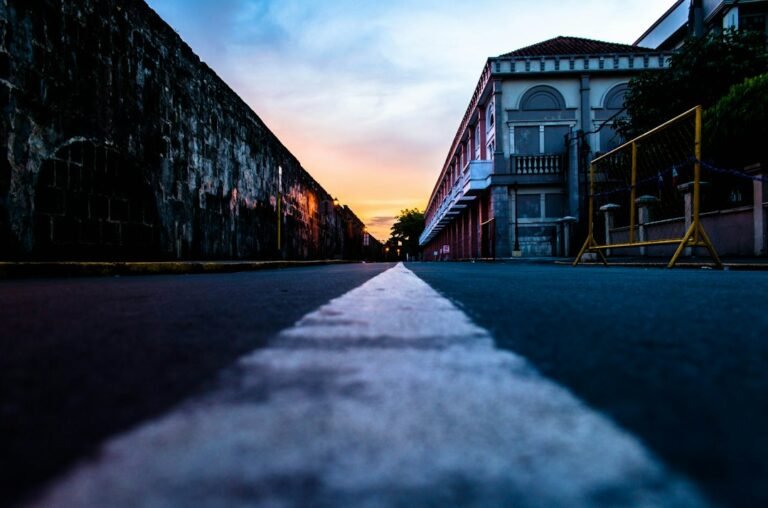
Intramuros. The Spanish walled city and the main historical sight in Manila. Fine during daylight and into the early evening. It gets very quiet after dark and the lighting inside the walls is patchy, so leave by taxi or Grab rather than walking out through adjacent streets at night.
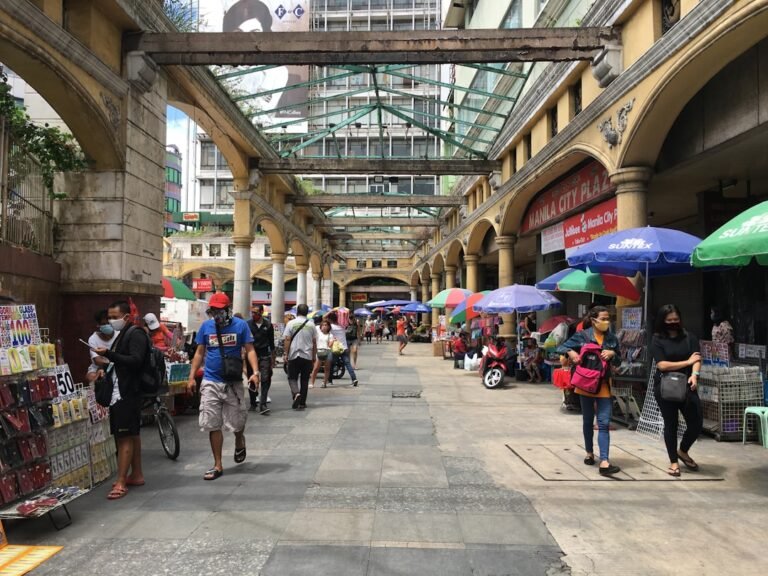
Binondo. The world’s oldest Chinatown and the best food walk in the city. Crowded, chaotic, and perfectly fine in daylight. The crowding is the risk here, not the neighbourhood: keep your bag in front of you.
Areas to Be Careful In, and Areas to Skip
This is where honest advice matters more than reassurance.
Tondo and the area around the old Smokey Mountain site. Skip it. There is no tourist reason to go, poverty is severe, and outsiders stand out immediately. Poverty tourism tours of Tondo exist and you should not take one.
Quiapo, particularly after dark. Quiapo Church and the surrounding market are a real piece of Manila life and worth seeing in the middle of the day. The streets around it are dense, the pickpocketing is organised, and it changes character sharply in the evening. Go in daylight, carry almost nothing, and do not linger after sunset.
Ermita and Malate. Mixed. Some decent budget hotels and Robinsons Place Manila sit alongside streets that are shabby and poorly lit. The fake plainclothes police scam turns up here more than anywhere else. Fine by day, use a car at night.
Divisoria. A huge bargain market. Genuinely interesting, genuinely a pickpocket’s office. If you go, take a small amount of cash, no jewellery, no phone in your hand.
P. Burgos Street in Poblacion, Makati, plus parts of Pasay and Quezon City. These are Manila’s red light strips. Many bars along them are hostess or GRO KTV venues, where staff sit with customers and the bill is built from drinks bought for them at heavily marked up rates. Travellers walk into these by accident all the time, usually because the frontage looks like an ordinary karaoke bar. The tells are a doorman waving you in, no visible menu or price list, a dark interior with seating arranged around individual tables rather than a bar, and staff who join you without being asked. If that describes the place, walk out before you order anything. Bill disputes at these venues are one of the more common ways a tourist evening in Manila goes badly wrong. Poblacion also has a genuinely good ordinary restaurant and cocktail scene on its other streets, so this is about picking the right door, not avoiding the district.
The Scams You Are Most Likely to Meet
Five scams account for most of what happens to visitors. None are sophisticated.
The taxi meter. The driver says the meter is broken, or quotes a flat fare, or simply never switches it on. At the airport, unlicensed drivers approach arrivals offering fast transport at flat rates several times the metered fare. The fix is simple and total: use Grab. Prices are fixed before you get in and the ride is tracked.
The kalesa. Horse drawn carriage rides around Intramuros. The driver quotes around 500 pesos, the ride lasts fifteen minutes, and at the end the price has become 2,500. Agree the full price and the duration out loud before you get in, and expect a fair rate to be roughly 150 to 300 pesos for a short loop. If the driver will not commit to a number, do not get in.
The fake plainclothes officer. Someone flashes an ID, says you have been seen in a drug related situation, wants to search your bag, and offers to settle it with a cash fine. Real Philippine police do not collect fines on the street. You can ask them to accompany you to the nearest police station, which ends the encounter almost every time, and you can call the tourist assistance hotline on 1366 to verify anyone claiming to be an officer.
The money changer. A quick recount, a distraction, and you leave 5,000 pesos short. Change money at bank branches, at your hotel, or at the reputable chains inside malls, and count every note in front of the cashier before you step away.
ATM skimming. Overlays and pinhole cameras on machines in tourist heavy strips, including around Makati and the airport. Use ATMs inside bank branches or inside malls during opening hours, cover the keypad, and check your account after.
Getting Around Manila Safely
Transport is where most tourist trouble starts, so it is worth getting right.
Grab is the default answer. Fixed price, registered driver, GPS tracked, no negotiation. A ride from NAIA to Makati runs roughly 300 to 600 pesos depending on demand and traffic. Fares rose across the board after the LTFRB adjustment in March 2026, so expect the upper end of that range at peak times.
Airport taxis. The official yellow airport taxis are metered, with flag fall around 40 pesos and roughly 13.50 pesos per kilometre, which lands at around 250 to 600 pesos to Makati or BGC. They are legitimate. The white regular taxis are cheaper still if the meter runs. The problem is never the official ones, it is the people approaching you before you reach the rank.
UBE Express and P2P shuttles cost around 150 to 200 pesos per person into the city and are perfectly safe, though they board from limited terminals and the schedule is not frequent.
LRT and MRT. Cheap, around 15 to 35 pesos a trip, and safe from a crime standpoint. They are also extremely crowded at rush hour, which is exactly when phones and wallets disappear. There are women only carriages at the front. There is no direct rail link from the airport.
Jeepneys. Around 13 pesos for a short hop and a genuine experience. Also the single easiest place in the city to have your pocket picked, and confusing to navigate if you do not read the route boards. Try one in daylight on a short route, not as your main transport.
What to skip: hailing an unbooked taxi on the street at night, and riding a habal habal motorcycle taxi with a stranger in Metro Manila traffic.
Is Manila Safe at Night?
Parts of it, yes. Makati’s main avenues, BGC, and the mall districts stay busy and well lit until late, and walking between restaurants there is unremarkable. What changes after dark is the margin for error. Side streets empty out, lighting is inconsistent even in decent districts, and the fake officer and inflated bill scams both cluster in the evening.
The workable rule is that you can walk in a lit, busy, main road area, and you take a Grab for anything else. That single habit removes most night time risk. If you have been drinking, take the Grab regardless of distance. Intramuros, Ermita, Malate, Quiapo and Divisoria are all daytime propositions.
Is Manila Safe for Solo Female Travellers?
Broadly yes, and plenty of women travel here alone without trouble. Filipino culture is warm and helpful toward visitors, English is widely spoken, and asking for help usually produces genuine help. The complaints that come up are staring, occasional catcalling, and unwanted attention in nightlife areas, rather than serious incidents.
Practical adjustments: stay in BGC, Makati or Ortigas rather than Ermita, use the women only MRT carriages, share your Grab trip with someone, and never leave a drink unattended in a bar. Dress is relaxed in Metro Manila and you do not need to cover up, though it is worth being a little more conservative in Quiapo and around churches.
Health, Food and Water Safety
Tap water in Metro Manila is treated but most residents drink purified water, and you should too. Bottled water costs around 20 to 30 pesos. Ice in restaurants and established cafés is made from purified water and is fine, and street stalls are a judgement call.
Street food in Binondo and around Quiapo is one of the best things about Manila. The sensible filter is heat and turnover: eat what is cooked in front of you, at a stall with a queue, and be more cautious with anything that has been sitting out. Air quality is the underrated health issue here, and it is genuinely poor along major roads. If you are asthmatic, that matters more than crime does.
Dengue is present year round and peaks in the wet season from around June to November. Repellent is the whole prevention strategy. Rabies is a real concern in the Philippines, so do not pet street dogs and get any bite looked at properly.
Natural Hazards and When Not to Go
Typhoon season runs roughly June to November, with the heaviest activity around July to October. Manila floods fast and badly. A strong storm can leave roads impassable, shut the airport, and strand you for a day or two. This is the most likely thing to actually ruin a Manila trip.
The Philippines is also seismically active and Metro Manila sits near the West Valley Fault. Know your hotel’s exits. Neither of these is a reason to cancel a trip, but the typhoon risk is a real reason to prefer the dry season from December to April.
Money, Valuables and What to Carry
Carry a working amount of cash, roughly 2,000 to 3,000 pesos for a day, and leave the rest in the hotel safe. Cards work in malls, hotels and mid range restaurants, and cash is essential everywhere else. Keep your phone in a pocket rather than your hand when you are near traffic, because snatch thefts from motorcycles are a real pattern.
Leave the visible jewellery and the expensive watch at home. This is standard big city advice and it applies here.
What a Safe Day in Manila Actually Costs
Safety has a price and it is low. Choosing Grab over jeepneys and staying in a decent district adds up to roughly this:
Budget day: around 2,500 to 3,500 pesos. A hostel or budget hotel bed in Makati or BGC at roughly 900 to 1,800 pesos, food at around 600 pesos, three or four Grab rides at around 700 pesos, and an entrance fee or two.
Mid range day: around 6,000 to 9,000 pesos, with a solid three or four star room at around 3,500 to 5,500 pesos, restaurant meals, and Grab everywhere.
A weekend for two, mid range: roughly 20,000 to 30,000 pesos all in, excluding flights.
For a full breakdown of neighbourhoods and hotel options at each of these levels, see our guide on where to stay in Manila.
Entrance Fees and Practical Numbers
Useful figures so you can spot an inflated quote. Fort Santiago in Intramuros costs around 75 pesos for adults. Casa Manila museum is around 75 pesos. The National Museum complex on Rizal Park is free. Rizal Park itself is free. San Agustin Church museum is around 200 pesos. A guided walking tour of Intramuros runs roughly 1,200 to 1,800 pesos per person. A short Grab hop within Makati is around 150 to 250 pesos, and Makati to Intramuros is roughly 300 to 450 pesos depending on traffic.
Opening hours: most Intramuros sites run around 8am to 6pm, museums generally 9am to 5pm and many close Mondays, and malls typically 10am to 9pm. Go to Intramuros early, both for the light and because the midday heat there is punishing.
What Disappoints About Manila
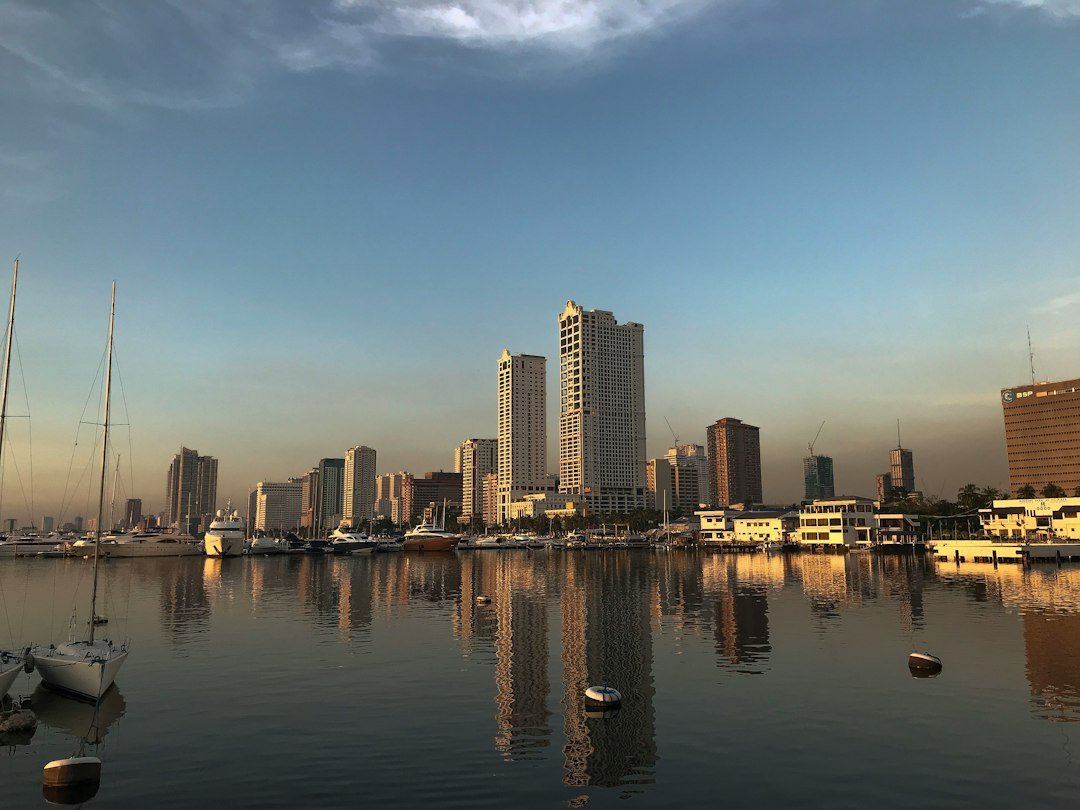
Honesty is part of safety planning. Manila’s traffic is among the worst in the world and a five kilometre trip can take an hour. The city is not walkable outside BGC and a few pockets. Rizal Park and parts of the historic core are less impressive than the guidebooks suggest. Manila Bay sunsets are famous and the water itself is polluted.
A common and reasonable plan is to give Manila two days, see Intramuros and Binondo properly, eat well, and move on to the islands. If you want a fuller picture of what is worth your time, our guide to the top things to do in Manila covers it, and the Manila travel guide covers logistics.
If Something Goes Wrong
The national emergency number is 911. The tourist assistance hotline is 1366, and it is the right number for theft, scams, and disputes with drivers or venues. Report anything stolen to the nearest police station and get a written report, because your insurance will need it. Your embassy handles lost passports, and most maintain an after hours emergency line.
If a bill is wildly inflated at a bar, do not escalate it in the venue. Pay what you can verify, say you are calling the tourist police, and leave. Almost every dispute deflates at the mention of 1366.
How Manila Compares to the Rest of the Philippines
Manila is the country’s highest crime urban area, which is normal for a capital of its size, and the islands are calmer. Cebu and Davao are safer feeling cities. Island destinations like Siquijor, Bohol and Camiguin have very little tourist directed crime at all. If Manila makes you uneasy, that unease does not need to extend to the rest of the trip. Nearby, our guide to whether Cavite is safe for tourists covers the province just south of the capital.
The exception is the far south. Western Mindanao, the Sulu archipelago and parts of BARMM carry genuine advisories, and those are worth respecting. Nothing in the standard tourist circuit goes near them.
Quick FAQ
Is Manila safe for tourists right now? Yes, for visitors who stay in the main districts, use Grab rather than street taxis, and stay alert in crowds. Petty theft and overcharging are the realistic risks, and violent crime against tourists is rare.
What areas of Manila should tourists avoid? Tondo and the old Smokey Mountain area entirely, Quiapo and Divisoria after dark, and the red light strips along P. Burgos in Poblacion and parts of Pasay. Ermita and Malate are fine by day and better reached by car at night.
Is it safe to walk around Manila at night? On main, lit, busy roads in Makati, BGC and Ortigas, yes. Elsewhere take a Grab. The cost is small and it removes most of the risk.
Is Manila safe for solo female travellers? Generally yes. Stay in BGC, Makati or Ortigas, use the women only MRT carriages, use Grab at night, and watch your drink in bars. Staring and catcalling happen, serious incidents are uncommon.
What is the most common scam in Manila? Taxi meter fraud, where the driver claims the meter is broken or quotes a flat rate several times the real fare. Using Grab eliminates it. The Intramuros kalesa price switch is a close second.
Is the tap water safe to drink in Manila? It is treated but almost nobody drinks it. Use purified or bottled water, which costs around 20 to 30 pesos a bottle. Ice in established restaurants and cafés is fine.