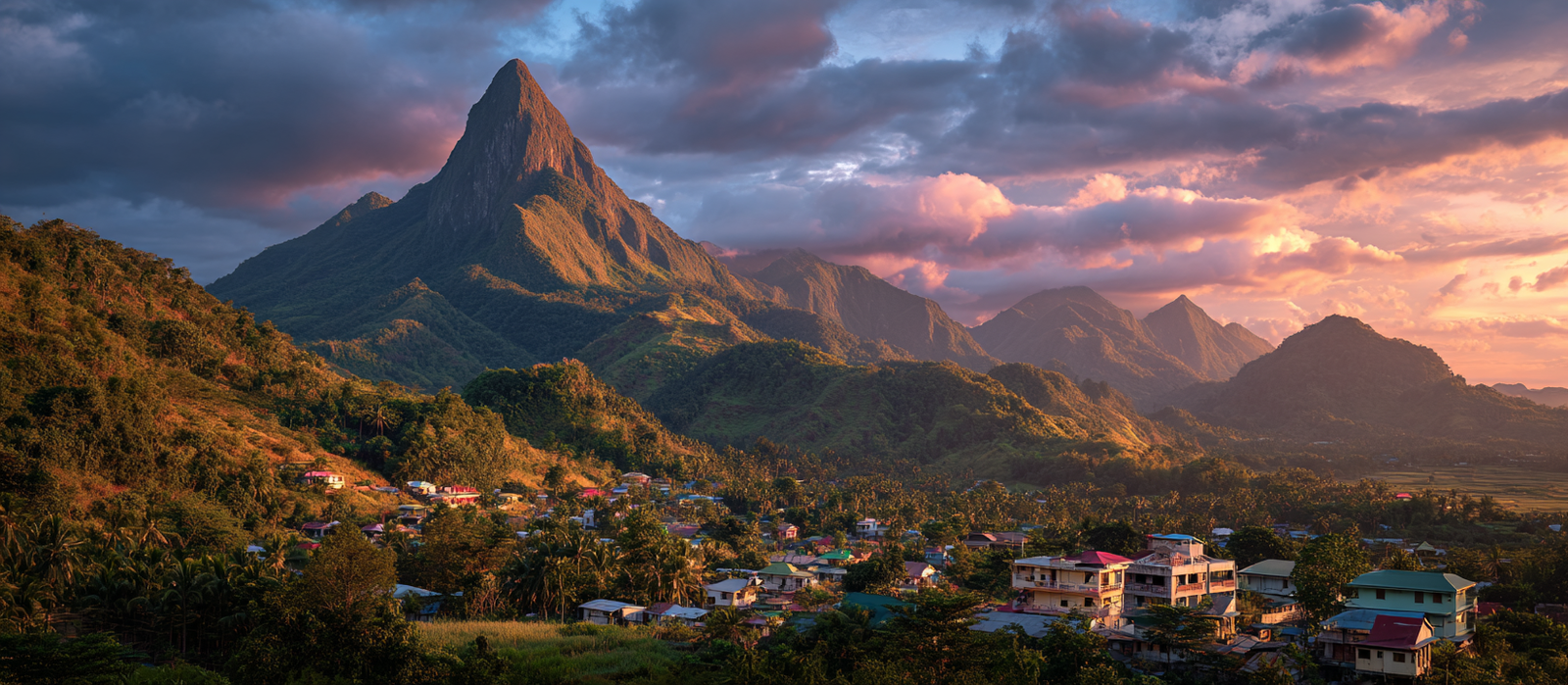

Apayao Travel Guide: What to Know Before You Go
Thinking about a Philippine adventure that genuinely steps away from the well-trodden tourist paths? Consider Apayao. Unlike its more popular Cordillera neighbors, Apayao remains one of the Philippines’ least-visited provinces, offering an unfiltered immersion into rugged natural beauty and the enduring culture of the indigenous Isneg people. This isn’t a destination for resort-hoppers; it’s for those seeking authenticity, willing to navigate challenging logistics for unparalleled rewards. If an encounter with pristine rivers, untouched forests, and a vibrant local heritage sounds like your kind of journey, then this Apayao travel guide is for you.
How to Get There
Apayao’s charm lies in its relative inaccessibility, which also serves as its primary travel challenge. There are no direct commercial flights to Apayao. Your journey will typically begin with an overnight bus ride from Manila to Tuguegarao City (Cagayan) or Tabuk City (Kalinga), followed by connecting local transport.
- From Manila: Board a bus bound for Tuguegarao City (e.g., Victory Liner, Florida Bus) from major terminals like Sampaloc or Cubao. The trip takes approximately 10 to 12 hours and costs around PHP 800 to 1,200.
- Connecting to Apayao: From Tuguegarao, you can take a van or a jeepney directly to Luna (Poblacion), Apayao’s capital, which serves as a primary entry point. This leg usually takes 3 to 4 hours and costs about PHP 200 to 300. Alternatively, if you opted for Tabuk City, you’ll find vans heading into Apayao, though routes can be less frequent.
- Internal Travel: Within Apayao, public transport is limited to jeepneys and “habal-habal” (motorcycle taxis). Roads can be rough, especially in the interior municipalities like Calanasan or Kabugao. Always negotiate fares in advance for habal-habal.
The best time to visit Apayao is during the dry season, from November to May. The wet season (June to October) can make roads impassable and outdoor activities challenging due to heavy rains and potential landslides.
Top Attractions and Things to Do in Apayao
Apayao’s allure is its untouched landscapes and rich cultural tapestry. The province is often referred to as the “Last Frontier of the Cordilleras” due to its extensive forests and significant river systems, part of the larger Cagayan River Basin.
- Apayao River Exploration: The lifeblood of the province, the Apayao River offers opportunities for river cruising, especially around the towns of Luna and Flora. You’ll witness stunning limestone formations and lush riverbanks.
- Pudtol Municipal Park and Ruins: In Pudtol, explore the remnants of an old Spanish church, providing a glimpse into the province’s colonial past amidst its natural setting.
- Lussok Cave and Underground River (Luna): A popular natural attraction offering a unique spelunking experience combined with an underground river ride. Local guides are essential for safety and navigation here.
- Agamata National Park and Wildlife Sanctuary: While less developed for tourism, this sanctuary in Kabugao is a biodiversity hotspot, home to various flora and fauna, including rare bird species. Access typically requires permits and a local guide.
- Cultural Immersion with the Isneg: Apayao is the ancestral domain of the Isneg people. Engaging with local communities, perhaps through a homestay arranged with prior notice, offers profound cultural insights into their traditions, crafts, and way of life. This is one of the most rewarding things to do in Apayao.
Where to Stay in Apayao
Accommodation options in Apayao are modest, primarily consisting of local inns, guesthouses, and homestays. Do not expect luxury resorts or international chain hotels. The most accessible towns for lodging are Luna (the provincial capital) and Flora.
- Luna: You’ll find a few small inns and guesthouses catering to local travelers and government workers. Prices typically range from PHP 500 to 1,500 per night for a basic fan or air-conditioned room. Booking online is often not an option; walk-ins or direct calls are common.
- Flora & Pudtol: Similar to Luna, limited budget-friendly guesthouses are available.
- Homestays: For a truly immersive experience, consider arranging a homestay in an Isneg community. This requires prior contact, often through the Provincial Tourism Office or trusted local guides.
When researching where to stay in Apayao, be prepared for simple amenities. It’s advisable to carry your own toiletries, and a portable power bank is a good idea given potential power interruptions in more remote areas.
Where to Eat
Dining in Apayao is an authentic experience centered around local eateries and carinderias (small, family-run food stalls). The cuisine emphasizes fresh, locally sourced ingredients, including river fish, organic vegetables, and sometimes wild game.
- Local Dishes: Look out for regional specialties like Pinikpikan (a Cordilleran chicken dish often prepared with ginger and etag, smoked meat), freshwater fish dishes, and root crops like ube and camote.
- Carinderias: These offer budget-friendly, home-cooked meals. A typical meal can cost PHP 80 to 200.
- Market Finds: Explore local public markets for fresh produce, snacks, and a chance to interact with vendors.
Since dining options can be limited outside the main towns, especially if you’re venturing deep into nature, it’s wise to pack some high-energy snacks, sufficient drinking water, and perhaps a small personal cooking kit if you plan multi-day treks.
Local Tips for Your Apayao Travel Guide
- Cash is King: ATMs are scarce, often only found in the provincial capital, Luna. Bring enough cash for your entire trip, especially for transport, food, and local guides.
- Connectivity: Mobile signal can be intermittent or nonexistent in many parts of the province. Don’t rely on constant internet access.
- Guides are Essential: For trekking, exploring caves, or visiting remote communities, hiring a local guide is not just recommended but often mandatory for safety and cultural respect. Inquire at the Provincial Tourism Office in Luna for accredited guides.
- Pack Smart: Bring light, breathable clothing, sturdy trekking shoes, insect repellent, sun protection, a first-aid kit, and a waterproof bag for electronics.
- Respect Local Customs: The Isneg people have a strong cultural identity. Always ask permission before taking photos of people, especially elders. Dress modestly when visiting communities and be mindful of local traditions and sacred sites.
Safety & Customs
Apayao is generally safe for tourists, with a low crime rate. The main concerns are related to the natural environment and travel logistics. Always inform locals or your guesthouse management of your itinerary, especially when venturing into remote areas.
- Environmental Safety: Be mindful of weather conditions, especially during the rainy season when landslides and flash floods can occur. When trekking, stick to marked trails and follow your guide’s instructions.
- Health: While there are local clinics, major hospitals are far. Ensure you have travel insurance and carry any necessary personal medications.
- Cultural Sensitivity: The Isneg are a welcoming people. A simple “Naragsak nga aldaw!” (Good day!) in Ilocano (the lingua franca in many parts of the Cordilleras) or “Magandang araw!” in Tagalog will go a long way. Always practice responsible tourism: leave no trace, do not litter, and support local businesses directly.
Embarking on an Apayao journey is an invitation to connect deeply with the Philippines’ raw, untamed beauty and its resilient indigenous cultures. This Apayao travel guide aims to equip you for a trip that promises challenge, discovery, and profound memories. Are you ready to venture into the Cordilleras’ final frontier?
More Philippines Travel Guides
Planning a longer trip? These lesser-visited provinces pair well with a Philippines itinerary:
Top Things to Do in Apayao
Ready to start exploring? See our full guide to the best things to do in Apayao.
Lussok Crystal Cave: What the Boat Tour Involves
Lussok Cave in Luna is the single most photographed attraction in the province, and for good reason. Reaching it means a boat ride through an underground river that opens into a wide chamber resembling a cathedral dome, with crystallized stalactites and stalagmites lining the walls and a resident bat colony overhead. The cave has three main chambers, and a local boatman guides you through on a small paddle boat since the passage floods too deep to wade. Bring a dry bag for your phone or camera, the boat ride gets splashy, and expect the tour to run about one to two hours round trip including the approach from the jump off point in Luna.
Dupag Rock Formation in Marag Valley
Also in Luna, Marag Valley holds the Dupag Rock Formation, a cluster of jagged limestone boulders rising several feet out of the grassland with panoramic views over the valley. It is a shorter, easier stop than Lussok Cave, mostly a matter of walking among the formations and climbing a few of the more accessible boulders for the view. Many visitors pair Dupag with Lussok Cave in the same day since both are based out of Luna, though you will want a local guide or habal-habal driver who knows the access roads, since signage is minimal.
Apayao River White Water Rafting
For a more adrenaline heavy stop, the Apayao River offers white water rafting through rapids framed by dense forest. This is a newer, less commercialized activity than rafting spots elsewhere in the Philippines, which means fewer operators and less standardized pricing, so confirm safety equipment and guide experience directly before booking rather than assuming a fixed package. Water levels and rapid intensity shift with the season, generally more challenging during and just after the rainy months.
Quick FAQ
What is Apayao known for?
Apayao is known as the land of rivers, home to Lussok Crystal Cave, the Dupag Rock Formation, and the indigenous Isneg people. It is one of the least visited provinces in the Cordillera region.
How do you get to Apayao from Manila?
Take an overnight bus from Manila to Tuguegarao City, roughly 10 to 12 hours, then a van or jeepney to Luna, Apayao’s main tourism town, another 3 to 4 hours.
What is the boat tour at Lussok Cave like?
A local boatman paddles you through an underground river into a cavern with crystallized stalactites and stalagmites, taking about one to two hours round trip from the jump off point.
Is Apayao safe for tourists?
Yes, generally safe, though the province is remote with limited infrastructure, so travel with a local guide for cave and river activities rather than attempting them independently.
Do you need a guide for Dupag Rock Formation?
A local guide or habal-habal driver is strongly recommended since signage to the site is minimal, even though the walk itself is short and easy.
When is the best time to visit Apayao?
The dry season from roughly December to May is easiest for travel and cave access, while river rafting is more active during and just after the rainy months.
Isneg Weaving and Local Crafts
The Isneg people of Apayao are known for intricate backstrap loom weaving, producing textiles with geometric patterns distinct from those of neighboring Cordillera groups, along with basketry woven from rattan and bamboo. Luna and Kabugao are the best places to see weavers at work and buy directly from them, which puts money straight into the local economy rather than a middleman. Prices vary by size and complexity of the pattern, and pieces are often made to order, so if you want something specific it helps to ask a day or two in advance rather than expecting a full selection on the shelf.
Kabugao: The Provincial Capital Beyond Luna
While Luna gets most of the tourism traffic because of Lussok Cave and Dupag Rock Formation, Kabugao is Apayao’s actual provincial capital and the gateway to Agamata National Park and Wildlife Sanctuary. The town itself is quiet, with a handful of eateries and a public market, and it works better as a base if your priority is the wildlife sanctuary or deeper cultural immersion with Isneg communities rather than the cave circuit. Travel between Luna and Kabugao takes a few hours over rough roads, so most visitors pick one town as a base rather than trying to cover both on a short trip. If you do have the extra days, splitting a week between Luna for the caves and rock formations and Kabugao for the wildlife sanctuary gives a fuller picture of what the province offers beyond its single most photographed spot.