
Apayao sits landlocked in the Cordillera region and carries a reputation as one of the last genuinely remote provinces in northern Luzon, sparsely populated and still often called the Last Frontier of the north. It rewards travelers who make the effort with one of the cleanest rivers in the Philippines, a karst valley nicknamed the Switzerland of Apayao, and a crystal filled cave system unlike anything found further south. This guide covers what to see once you have made the trip out to Kabugao and Luna.
The Apayao River
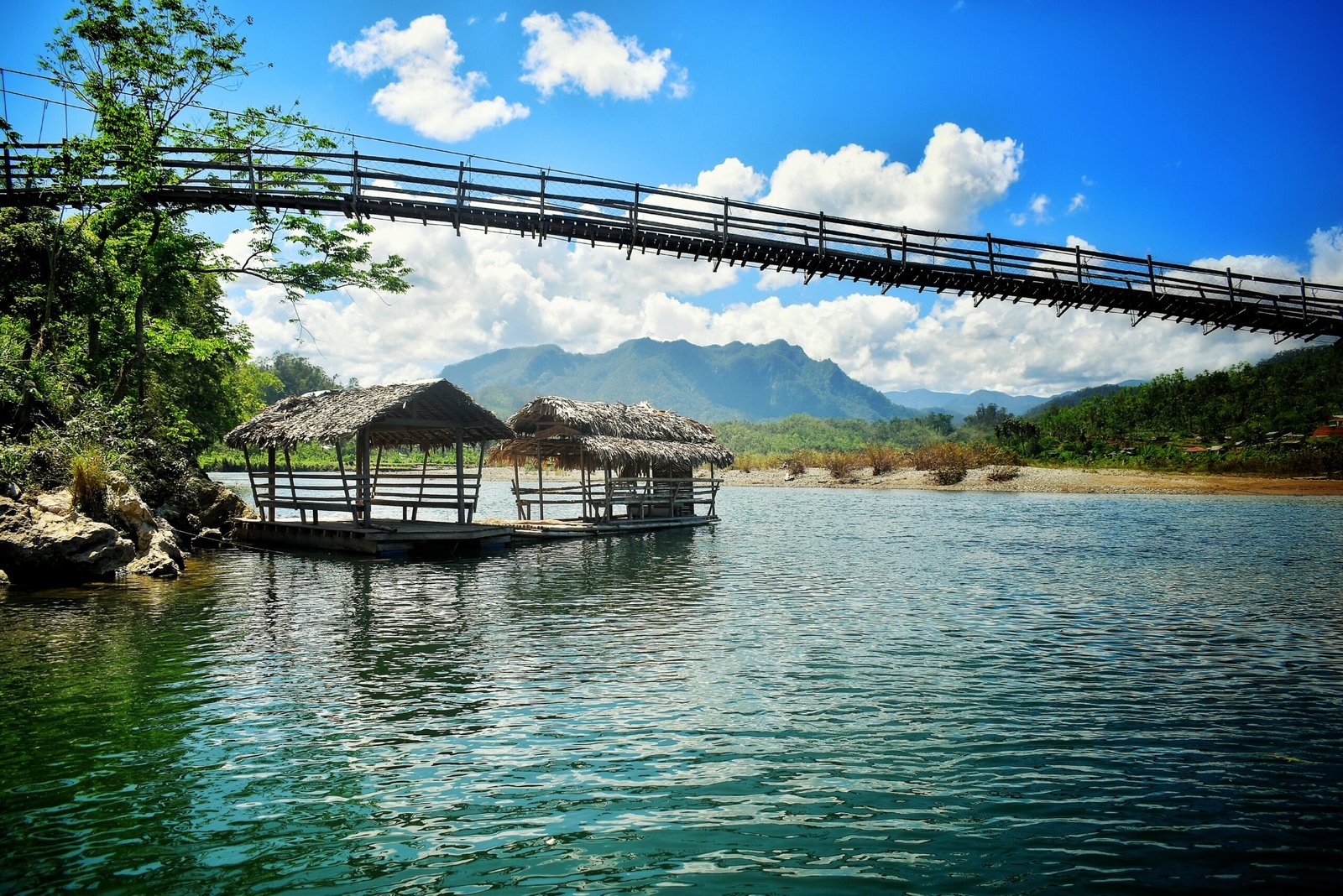
The Apayao River, also called the Apayao-Abulog River, runs roughly 180 kilometers through the province and ranks among the five largest rivers in the Philippines. It is widely considered one of the cleanest rivers in the country, with water clear enough to spot fish beneath the surface and thick old growth hardwood forest lining much of its banks. The river supports kayaking, canoeing and whitewater rafting, and the Isneg communities who live along its length maintain a close, longstanding relationship with the water, which makes a river trip here as much a cultural experience as a scenic one.
Marag Valley and the Dupag Rock Formation
In Luna town, Marag Valley has earned the nickname Switzerland of Apayao for its wide open mountain views and unusually cool climate for a lowland province. It is a popular camping spot, with verdant fields and a meandering, clear river running about 700 meters through the valley, home to tilapia, carp, eel and the local palilang fish. Within the valley, the Dupag Rock Formation adds a striking geological stop: a maze of sharp, wavy limestone spires roughly seven to eight feet tall sitting atop a hill about 30 meters high. Short scrambling and trekking routes lead up through the formation to panoramic views over the valley below, making it a manageable half day addition to a Marag Valley camping trip.
Lussok Crystal Cave
In Barangay Dagupan, Luna, Lussok Crystal Cave is the provinces marquee cave: a seven chamber system with an underground river, holding centuries old stalactites and stalagmites embedded with visible crystals. Around 100 meters of the cave is explored by boat on calm water, without outriggers, followed by an on foot spelunking section, with a full visit typically running one to three hours depending on how much of the cave you cover. A moderate bat population is both audible and visible throughout the visit, adding to the atmosphere for travelers who enjoy caving.
Waterfalls Around Kabugao and Luna
Beyond the marquee stops, Apayao holds a scattering of lesser documented waterfalls worth chasing if you have extra time, including Carmela Falls, Maxibab Falls, Bayugao Falls and Pinandagatan Falls around Kabugao and Luna. Detailed visitor information on these is thinner than for Marag Valley or Lussok Cave, so travelers should check current access with local tourism contacts before setting out, but they offer a good option for anyone looking to get further off the already quiet main circuit.
Isneg Culture: Tattoos and Weaving
The indigenous Isneg people are the provinces original inhabitants, and their culture remains visible in two main traditions travelers may encounter. Traditional tattooing, historically applied by rubbing soot into puncture wounds, was worn by mengal hunters and warriors on the arms and shoulders as a mark of status. Backstrap loom weaving, known locally as awid, produces abaca and cotton textiles including bado blouses, abel skirts, blankets and ritual cloths decorated with geometric, nature inspired motifs. Beadwork, oral storytelling and traditional music and dance round out the cultural touchpoints most visible to outside visitors.
How to Get to Apayao from Manila
There is no airport in Apayao, so every route from Manila runs through Tuguegarao in Cagayan or, less commonly, through Laoag. Total journey time is realistically 10 to 14 hours door to door. Plan on losing a full day each way and you will not be disappointed.
Option 1, fly to Tuguegarao then van. The fastest and the one most visitors use. Flights from Manila to Tuguegarao take roughly 1 hour 15 minutes and there are usually one or two a day. Fares vary widely with how far ahead you book. From Tuguegarao, vans to Luna leave from the Pengue Ruyu terminal and take roughly 3 to 4 hours for around 250 to 350 pesos. Vans onward to Kabugao take another 3 to 4 hours and run roughly 300 to 400 pesos. Vans fill up and leave when full rather than on a schedule, and the last reliable departures are early afternoon, so an early flight matters.
Option 2, overnight bus to Tuguegarao. Buses from Manila to Tuguegarao leave from the Cubao and Sampaloc terminals in the evening and take roughly 10 to 12 hours, costing around 900 to 1,200 pesos for an air conditioned deluxe seat. You arrive at dawn, which lines up well with the morning vans into Apayao. This is the cheapest sensible route and it saves a night of accommodation.
Option 3, via Laoag and the west. Possible if you are already in Ilocos. Buses run from Laoag toward Claveria and you transfer inland, but connections are infrequent and this route is only worth it if it fits an existing Ilocos itinerary.
Getting around once you are there. Jeepneys and vans link the main towns but run infrequently, often only in the morning. For the waterfalls, caves and Marag Valley you will need to hire a tricycle or habal habal, roughly 500 to 1,500 pesos for a half day depending on distance, or arrange a van through your lodge. Do not count on ride hailing apps, there are none.
Two practical warnings. First, ATMs are scarce outside Luna and Kabugao and several do not accept foreign cards. Withdraw what you need in Tuguegarao. Second, mobile signal drops out entirely across much of the province, so download offline maps and tell someone your plan before you head into Marag Valley.
Where to Stay and What It Costs
Apayao has very little formal accommodation. Expect basic inns and homestays rather than hotels, and expect to book by phone or Facebook rather than through booking sites, because most properties are not listed.
- Homestay or basic inn room: roughly 500 to 1,200 pesos a night, usually fan only with a shared or simple bathroom
- The better inns in Luna and Kabugao: roughly 1,200 to 2,000 pesos for an air conditioned room
- Meals at a local eatery: around 70 to 150 pesos
- Guide for Lussok Cave or Marag Valley: roughly 500 to 1,000 pesos per group, and hiring one is genuinely advisable rather than optional
- Boat hire on the Apayao River: roughly 1,500 to 3,000 pesos depending on the stretch and group size
A realistic daily budget is around 1,500 to 2,500 pesos per person including a room, food, and local transport. A three day trip from Manila including the bus, guides and one river trip lands somewhere around 8,000 to 12,000 pesos.
Best Time to Visit Apayao
November through May, without much argument. The mountain roads into Kabugao and Marag Valley are prone to landslides in the wet season, and a road closure in Apayao does not mean a detour, it means you are not getting there. River levels also drop in the dry months, which makes the Apayao River trips safer and the cave systems accessible.
February to April is the strongest window. December and January are cool and pleasant but the shear line can bring persistent drizzle. Avoid July through September unless you have flexible dates and a high tolerance for being rerouted.
Being Honest About Apayao
This is not a polished destination and it should not be sold as one. Getting here takes a day. The attractions are spread across a large province with poor roads between them. Signage is minimal, English is less widely spoken than in tourist areas, and there is no visitor infrastructure to speak of. On some days you will spend more hours in a van than at the thing you came to see.
What you get in exchange is a province almost nobody visits, with genuinely intact forest, a river you will likely have to yourself, and Isneg communities whose weaving and tattoo traditions have not been repackaged for tourists. If that trade sounds good, Apayao delivers it fully. If you want convenience, go to Sagada instead.
One more thing worth saying plainly: go with a local guide for anything involving the river, the caves or Marag Valley. This is not a place to improvise. People do get lost here and help is far away.
Plan Your Trip to Apayao
Ready to book? Compare hotels and tours in Apayao below.
- Search Hotels in Apayao on Booking.com
- Compare Hotels in Apayao on Agoda
- Find Tours and Activities in Apayao on Klook
- Book Tours in Apayao on GetYourGuide
Booking through these links may earn us a small commission at no extra cost to you.
More Apayao Guides
Planning the rest of your trip? Check out our full travel guide for logistics, costs and practical tips.
Quick FAQ
How do you get to Apayao from Manila? Fly or take an overnight bus to Tuguegarao, then a van onward. Flying takes about 1 hour 15 minutes plus 3 to 4 hours by van to Luna. The overnight bus takes roughly 10 to 12 hours for around 900 to 1,200 pesos and arrives in time for the morning vans.
What are the main tourist spots in Apayao? The Apayao River, Marag Valley and the Dupag Rock Formation, Lussok Crystal Cave, and the waterfalls around Kabugao and Luna. Isneg weaving communities are the cultural draw.
Is Apayao worth visiting? Yes if you want somewhere genuinely untouristed and you accept a long journey and basic facilities. No if you want convenience or polished infrastructure. It is one of the least visited provinces in the Philippines and it feels like it.
When is the best time to visit Apayao? November to May, with February to April strongest. Wet season landslides can close the mountain roads entirely.
Do you need a guide in Apayao? For the river, the caves and Marag Valley, yes. Signal drops out, trails are unmarked, and local guides cost roughly 500 to 1,000 pesos per group.
Is Apayao safe and easy to visit for an average traveler?
Apayao is safe but genuinely remote, with long travel times and patchy infrastructure outside the main towns, so it suits travelers who are comfortable with limited amenities and want to get well off the usual tourist route.
Do I need a guide to visit Lussok Crystal Cave?
Yes, a local guide is standard for the cave, since part of the visit involves navigating an underground river by boat before continuing on foot through the spelunking section.
What is the best time of year to visit Apayao?
Dry season, from November to May, offers the most reliable road conditions, since heavy rains from June through October can make mountain roads impassable or significantly slow travel times.
How do I get from Manila to Apayao?
Most travelers fly or take a long bus ride to Tuguegarao first, then continue by van from the Pengue Terminal or bus from the Magno Terminal to Kabugao or Luna, a total trip that commonly runs eight to ten hours or more.
What makes the Apayao River worth visiting?
Its water is considered among the cleanest of any river in the Philippines, clear enough to see fish beneath the surface, and it supports kayaking, canoeing and rafting alongside a close cultural connection to the Isneg communities living along its banks.
You Might Also Like
- Apayao Travel Guide: What to Know Before You Go
- Top Things to Do in Abra: Kaparkan and Tinguian Culture
- Top Things to Do in Mountain Province: Sagada and Bontoc
Apayao pairs naturally with the rest of the Cordillera. See our guides to things to do in Kalinga, Abra and Ifugao, or start from the regional hub with things to do in Tuguegarao, which is where almost every Apayao trip begins.