
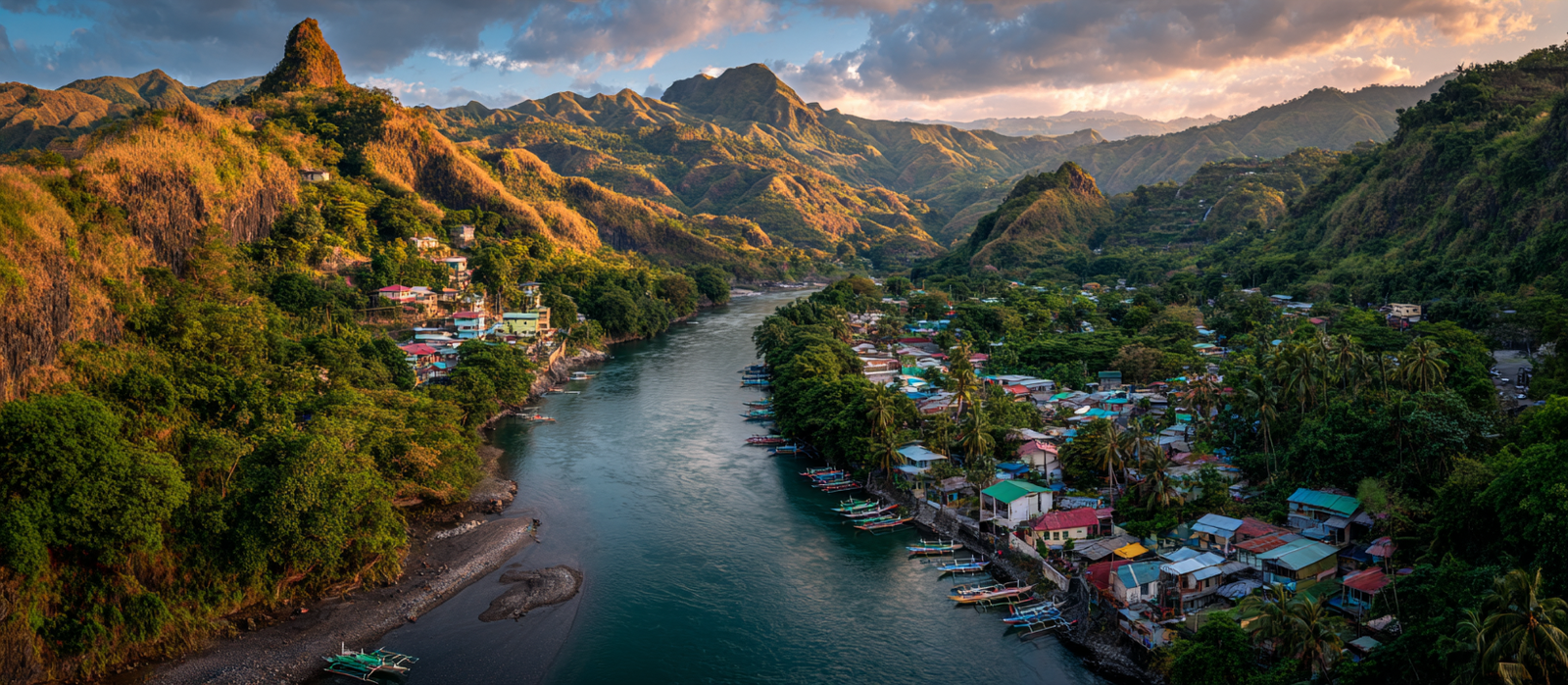

Few places in the Philippines hold as much cultural gravitas and unique charm as Kalinga, the land of the revered mambabatok and ancestral warriors. For many, the journey to Kalinga is primarily driven by the desire to meet Apo Whang-od, the last and oldest traditional Kalinga tattoo artist. However, a trip here is far more than just receiving a tattoo; it’s an immersive dive into a living indigenous culture set amidst some of the country’s most rugged and breathtaking landscapes. While the prospect of reaching this remote northern province might seem daunting, our comprehensive kalinga travel guide is designed to equip you with everything you need to know before you go, ensuring a respectful, enriching, and unforgettable experience.
How to Get There
Reaching Kalinga requires patience and a spirit of adventure. The primary entry point is Tabuk City, the provincial capital. From Manila, you have a couple of solid options:
- By Bus: Overnight buses are the most common and practical choice. Companies like Victory Liner, Genesis (JoyBus), and Ohayami Trans operate daily routes from Cubao or Pasay terminals in Metro Manila directly to Tabuk. The journey typically takes 10 to 12 hours, with fares ranging from PHP 800 to 1,200 for a one-way trip. Booking tickets in advance, especially for weekend or holiday travel, is highly recommended.
- Via Baguio/Bontoc: Some travelers opt to first go to Baguio City, then take a connecting bus to Tabuk (around 5 to 6 hours). Alternatively, you can travel from Baguio to Bontoc, Mountain Province (another 6 to 7 hours), and then transfer to a jeepney or van heading towards Buscalan or Tinglayan, which is often done by those combining their Kalinga trip with a Sagada or Banaue itinerary.
Once in Tabuk, reaching Buscalan Village, the heart of the tattooing tradition, is another leg of the journey. From Tabuk, take a van or jeepney towards Tinglayan (approx. 2 to 3 hours). From Tinglayan, you’ll need to hire a local guide (mandatory for visitors to Buscalan) who will arrange a habal-habal (motorcycle taxi) or another vehicle to take you to the jump-off point (Buscalan Proper/Fagubfub), followed by a 30 to 45 minute trek uphill to the village itself. This final leg highlights why a reliable local guide is essential for navigating the terrain and cultural protocols.
Top Attractions
While the allure of the traditional tattoo takes center stage, there are other captivating things to do in Kalinga:
- Buscalan Village: This is the main draw for many. Immerse yourself in the traditional lifestyle of the Butbut people. Observe the tattooing process performed by Apo Whang-od or her grandnieces, Grace and Elyang. Understand that the process can involve long queues, and patience is key. The fees for tattoos vary depending on size and design, typically starting from PHP 300 for a small, simple design. Remember, getting a tattoo is a privilege, not a right; approach with humility and respect.
- Chico River: Known as the “River of Life” to the Kalinga people, the Chico River offers opportunities for white water rafting during the rainy season (July-December). Its powerful currents and scenic surroundings provide an adrenaline-pumping experience amidst lush, unspoiled nature.
- Mount Binuluan: For experienced trekkers, this active stratovolcano, though rarely climbed, offers a challenging ascent and incredible panoramic views of the Kalinga landscape, including its famed rice terraces.
- Lubuagan: A municipality rich in history, it served as the temporary seat of the Philippine Commonwealth government during World War II. It’s a place to understand the resilience and historical significance of the region.
The rugged mountains and terraced rice fields themselves are a spectacle, offering countless opportunities for photography and quiet contemplation.
Where to Stay
Your choices for where to stay in Kalinga largely depend on whether you plan to stay in Tabuk City or fully immerse yourself in a traditional village like Buscalan.
- Tabuk City: Offers more conventional accommodation options, including basic hotels and guesthouses. These provide standard amenities like private bathrooms, air-conditioning, and Wi-Fi, making them a comfortable base before or after your village trek. Prices generally range from PHP 1,000 to 2,500 per night.
- Buscalan Village (Homestays): In Buscalan, accommodation is exclusively through homestays. These are very basic, offering shared sleeping spaces, often on mats or thin mattresses on the floor. Expect communal living, outdoor shared bathrooms, and limited electricity (usually for a few hours in the evening). The cost for homestays is typically around PHP 300 to 500 per person per night, often including dinner and breakfast. This is part of the authentic cultural experience, allowing you to live closely with the Butbut families.
Your local guide for Buscalan will usually facilitate your homestay arrangements.
Where to Eat
Dining in Kalinga is a straightforward affair, focusing on fresh, local ingredients and hearty Filipino staples. In Tabuk City, you’ll find a variety of small eateries, carinderias (local diners), and a few restaurants serving typical Filipino fare like grilled meats, vegetable dishes, and rice. Expect simple, satisfying meals for around PHP 150 to 300 per person.
In Buscalan and other remote villages, your meals will mostly be home-cooked and provided by your homestay hosts. These often consist of rice, vegetables from their gardens, and occasionally chicken or pork. The communal dining experience is part of the charm, offering a chance to interact more deeply with your hosts. It’s always a good idea to bring some snacks, instant coffee, or basic necessities, especially if you have specific dietary preferences, as options are limited.
Local Tips
- Best Time to Visit Kalinga: The dry season, from November to May, is generally the most favorable for travel. The weather is cooler and drier, making treks more comfortable and reducing the risk of landslides. December to February brings the coldest temperatures, while March to May can be quite hot.
- Cash is King: ATMs are scarce outside Tabuk City. Ensure you have enough cash for your entire trip, including guide fees, homestay payments, food, and tattoo fees.
- Connectivity: Cell signal and internet access are very limited to non-existent in remote areas like Buscalan. Embrace the digital detox.
- Pack Smart: Bring comfortable trekking shoes, layers of clothing (it can get cold, especially at night), rain gear (even in dry season, unexpected showers can occur), a headlamp or flashlight, a power bank, basic toiletries, and a small first-aid kit.
- Hire a Local Guide: For Buscalan, a registered local guide is not just recommended, but mandatory by local tourism ordinances and for your safety. They facilitate interaction with the community, arrange accommodations, and navigate the trails. This also directly supports the local economy. Expect guide fees to be around PHP 1,000 to 1,500 per day.
Safety & Customs
Kalinga is generally safe for tourists, but cultural sensitivity and awareness are paramount. The Kalinga people are proud and welcoming, but respecting their traditions is crucial for a positive experience:
- Ask Permission: Always ask for permission before taking photos of people, especially elders or while someone is being tattooed.
- Dress Modestly: Especially when visiting villages, dress conservatively out of respect for local customs. Shoulders and knees covered are advisable.
- Respect the Tattooing Tradition: Understand that the mambabatok tradition is sacred. Do not haggle over tattoo prices. Be patient, courteous, and avoid loud or boisterous behavior. The lines can be long, so manage your expectations.
- Leave No Trace: Pack out everything you pack in. Do not litter, and respect the natural environment.
- Community First: Remember you are a guest in their ancestral domain. Listen to your guide, follow their advice, and prioritize the well-being of the community.
- Health Precautions: Drink only bottled water. Be aware of the potential for leeches on wet trails.
A journey into Kalinga is more than just a trip; it’s a profound encounter with a resilient culture that has preserved its heritage amidst a changing world. This kalinga travel guide aims to prepare you for an experience that transcends typical tourism, offering a rare glimpse into the heart of the Cordillera. Are you ready to venture into the land of the Butbut and create your own unforgettable story?