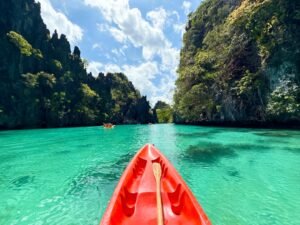
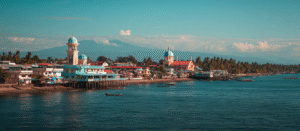
Thinking of Masbate, many minds drift immediately to images of cowboys, sprawling ranches, and the thrilling Rodeo Masbateno. While that vibrant equestrian culture is undeniably a core part of its identity, Masbate is also an archipelago province with surprisingly diverse islands, pristine marine sanctuaries, and a unique cultural blend often overlooked by the mainstream traveler. Far from being just “cattle country,” this province offers a raw, authentic slice of the Philippines for those willing to venture a little further. But how do you get there, and what awaits beyond the rodeo arena? This masbate travel guide aims to equip you with the practical insights needed to explore this captivating destination confidently.
How to Get There
Masbate’s charm lies partly in its relative inaccessibility, which keeps it from being overrun. Getting there requires a bit of planning, primarily due to its island geography.
By Air:
- The most straightforward option is to fly from Manila (MNL) directly to Masbate Airport (MBT). Philippine Airlines and Cebgo (a subsidiary of Cebu Pacific) typically operate these routes. Flight time is approximately 1 hour and 15 minutes.
- Fares can range from PHP 3,000 to PHP 6,000 one way, depending on booking time and season. Booking in advance, especially during peak travel months or around the Rodeo Masbateno, is highly recommended.
By Land and Sea:
- For a more adventurous journey, or if coming from the Bicol Region, you can take a bus to Pio Duran, Sorsogon, or Bulan, Sorsogon. From there, hop on a RORO (Roll-On/Roll-Off) ferry or a fast craft to Masbate City.
- Buses from Manila to Pio Duran can take 12-14 hours. The RORO ferry from Pio Duran to Masbate City takes about 1.5 to 2 hours, with fares around PHP 150 to 200.
- Alternatively, you can reach Masbate from Cebu via a ferry to Placer, Masbate, though this route is less frequent.
Keep in mind that while flights are fastest, they can be subject to weather delays, particularly during the rainy season (June to November). The best time to visit masbate is generally during the dry season, from December to May, for optimal island hopping and comfortable travel conditions. If you aim to experience the famous Rodeo Masbateno, it usually takes place in April.
Top Attractions & Things to Do in Masbate
Beyond its reputation as the “Cattle Country of the Philippines” , a verifiable fact, as it is the only province where cattle ranching is a primary industry , Masbate surprises with its natural beauty.
For the full guide with practical details on each stop, see Top Things to Do in Masbate.
- Buntod Reef Marine Sanctuary and Sandbar: Just a short boat ride from Masbate City, this protected area boasts a stunning white sandbar that emerges at low tide, surrounded by vibrant coral reefs. It’s perfect for snorkeling, swimming, and simply relaxing. Expect to pay around PHP 1,500 to 2,500 for a boat rental for a half-day trip, which can be shared among a group.
- Burias Group of Islands: Located north of Masbate mainland, this archipelago offers raw, untamed beauty. Must-sees include Sombrero Island (named for its hat-like rock formations), Animasola Island (unique rock formations sculpted by waves), and Tinalisayan Island (a sandbar and small cave). Day tours to the Burias islands from San Pascual (Burias Island) can cost PHP 2,500 to 5,000 for a private boat, depending on the number of islands visited.
- Rodeo Masbateno: Held annually in April, this is the only professional rodeo in Asia and a truly unique cultural spectacle. It’s not just about bull riding; there are steer wrestling, cattle lassoing, and a vibrant street fair. It’s a fantastic way to immerse yourself in the province’s cowboy culture. Book accommodations well in advance if planning to attend.
- Palani Beach, Balud: A long stretch of fine, creamy sand with calm waters, ideal for quiet relaxation away from the city bustle. While less developed, its tranquility is its main draw.
When considering things to do in masbate, remember that many of the best experiences involve island hopping. It’s always best to coordinate with local boatmen or tour operators directly for the most authentic and often more affordable rates.
Where to Stay in Masbate
Accommodation options in Masbate are functional rather than luxurious, reflecting its less-developed tourism infrastructure. Most choices for where to stay in masbate are concentrated in Masbate City.
- Masbate City: You’ll find a range of budget-friendly hotels and guesthouses here, offering basic amenities like air-conditioning and private bathrooms. Expect to pay around PHP 1,000 to 3,000 per night for a decent room. Some popular choices include Hotel PNB, GV Hotel Masbate, and Masbate Travelers Inn. These provide a good base for exploring the city and arranging island tours.
- Beyond the City: Options outside Masbate City are scarce. Near Palani Beach in Balud, a few basic resorts cater to local tourists, but don’t expect extensive facilities. For the Burias Islands, it’s best to arrange day trips from San Pascual or opt for an overnight stay in very basic guesthouses or camping, if available, on Sombrero Island itself, which offers a rustic island experience.
Booking via popular online travel agencies is possible for Masbate City, but for smaller, local guesthouses, direct contact or walk-ins might be necessary. During the Rodeo Masbateno festival, rooms book out months in advance, so plan accordingly.
Where to Eat
Masbate’s cuisine reflects its agricultural bounty and coastal location. Expect fresh seafood and, naturally, excellent beef.
- Beef Dishes: Given its moniker as “Cattle Country,” you must try Masbate’s beef. Look for local versions of bulalo (beef marrow stew), bistek Tagalog (Filipino beef steak), or simply grilled beef. Local eateries often serve them with a distinct Masbateño flair.
- Fresh Seafood: From grilled fish (inihaw na isda) to shrimp and crabs, the fresh catch is abundant. Many small eateries by the market or near the port offer delicious and affordable seafood. A typical seafood meal can range from PHP 200 to 500 per person.
- Local Eateries (Carinderias): For an authentic and budget-friendly experience, visit a carinderia (local cafeteria). They serve home-cooked Filipino dishes, offering a chance to sample local specialties at very low prices, usually under PHP 150 per meal.
- Masbate City Market: A great spot to pick up fresh produce, local delicacies, and experience the local hustle. It’s also where you can find ingredients for picnics during island hopping.
Local Tips
- Cash is King: While some establishments in Masbate City accept card payments, cash remains the primary mode of transaction, especially outside the city center. ATMs are available in Masbate City, but it’s wise to carry sufficient cash, especially for island hopping or if heading to more remote areas.
- Transportation: Within Masbate City, tricycles (PHP 10 to 30 per ride, depending on distance) are the main mode of transport. For longer distances or trips to specific island hopping jump-off points, consider renting a motorcycle (habal-habal) or hiring a jeepney for a group.
- Connectivity: Mobile signal can be spotty in some remote island areas, but is generally reliable in Masbate City. Wi-Fi in hotels can be slow or inconsistent.
- Language: While Tagalog is widely understood, locals predominantly speak Masbateño (a Visayan language with Bicolano influences) and Bicolano. English is understood by many in the tourism sector, but learning a few basic phrases in Tagalog or Masbateño (e.g., Salamat for “Thank you”) is always appreciated.
- Sun Protection: The tropical sun can be intense. Always bring high-SPF sunscreen, a hat, and sunglasses, especially for island hopping. Staying hydrated is crucial.
Safety & Customs
Masbate is generally a safe province for tourists, but like any travel destination, common sense and awareness are key.
- Respect Local Customs: Filipinos are known for their hospitality. A simple smile and respectful demeanor go a long way. When visiting local communities, dressing modestly is advisable.
- Environmental Responsibility: Masbate’s marine ecosystems are fragile. Always dispose of your trash properly, avoid touching or stepping on corals when snorkeling, and do not take souvenirs like shells or sand from protected areas. Support local eco-tourism initiatives that prioritize sustainability.
- Weather Awareness: The Philippines is prone to typhoons, especially from June to November. Always check weather forecasts before and during your trip, particularly if you plan inter-island travel by sea. Travel plans can be disrupted by rough seas or port closures.
- Solo Travel: Masbate is suitable for solo travelers, but it’s always wise to inform someone of your itinerary, especially when venturing to remote islands.
Masbate might not be on every first-timer’s Philippines itinerary, and that’s precisely part of its allure. It offers an authentic, less-commercialized experience, revealing a side of the archipelago where ranching culture meets island life. If this masbate travel guide has piqued your interest, consider making this distinctive province your next adventure.
Ready to saddle up and discover Masbate’s untamed beauty?
More Philippines Travel Guides
Planning a longer trip? These lesser-visited provinces pair well with a Philippines itinerary:
How to get to Masbate: flights and ferries compared
Masbate sits awkwardly between Luzon and the Visayas, which is exactly why it stays quiet. Getting there takes a bit of planning.
The fastest route is to fly. Masbate City has a small airport with daily flights from Manila taking roughly an hour. Fares swing hard depending on how far ahead you book, so this is a destination where booking early genuinely pays.
The cheaper and more common route is overland to Sorsogon and then a ferry. From Pilar port in Sorsogon, boats cross to Masbate City in roughly two to three hours. From Pilar you can also cross to Monreal on Ticao Island for around PHP 120 plus a small terminal fee, taking roughly an hour and a half. From Bulan port, a ferry runs to San Jacinto on Ticao in about an hour.
Once you are in Masbate City, three or four pumpboats a day run to Lagundi port on Ticao for around PHP 80 per person, taking roughly an hour.
The honest warning about all of this: schedules are limited, they change, and rough seas cancel crossings without much notice. Do not plan a tight connection to a flight out of Legazpi or Manila on the same day you are crossing water.
Ticao Island and the Manta Bowl
If there is one reason serious travellers put Masbate on a list, it is Ticao. The Manta Bowl is a cleaning station in the Ticao Pass where manta rays gather, and it is a genuinely world class dive site rather than a local one. Whale sharks pass through the same channel seasonally, though sightings are a matter of luck rather than a guaranteed encounter.
Be clear on the difference from Donsol across the water in Sorsogon. Donsol runs a strictly regulated snorkel only whale shark interaction. Ticao is a dive site, the current can be strong, and it is not a beginner location. If you are not a certified diver with some current experience, this is not the trip to learn on.
Above water, Ticao is quiet, green and almost entirely undeveloped for tourism. Catandayagan Falls drops straight onto the shoreline, which is unusual and worth the boat trip. Halea Nature Park at the northern tip has long empty beaches.
Buntod Reef and what is near Masbate City
Buntod Reef Sandbar and Marine Sanctuary is the easy half day trip from Masbate City. A short boat ride gets you to a sandbar that appears and disappears with the tide, with decent snorkelling on the reef alongside. Boat hire for a small group runs somewhere around PHP 800 to PHP 1,500 depending on size and how long you stay, plus a small sanctuary fee.
Bituon Beach and Pawa Mangrove Nature Park are both close to the city and both are pleasant rather than spectacular. Treat them as ways to fill an afternoon rather than reasons to come.
The Rodeo Masbateno festival
Masbate calls itself the cattle country of the Philippines and it is not marketing. The province has a real ranching industry, and the Rodeo Masbateno festival, usually held in April, is the one time of year the place fills up. Bull riding, lassoing, cattle wrestling, the lot. It is genuinely unusual for the Philippines and worth timing a trip around if you can.
The practical consequence is that accommodation in Masbate City sells out during the festival and prices rise. Book well ahead or stay outside the city.
Where to stay in Masbate
Masbate City has the bulk of the beds and none of them are luxury. Budget rooms and small inns run roughly PHP 700 to PHP 1,200 a night. Mid range business style hotels sit somewhere around PHP 1,500 to PHP 2,500. That is broadly the ceiling in the city.
On Ticao Island the options thin out considerably. There are a small number of resorts and homestays oriented around diving, generally in the PHP 2,000 to PHP 4,500 range including meals, because there is nowhere else to eat. Book ahead rather than turning up, since there is no walk in market to speak of.
Elsewhere in the province, expect homestays and very basic lodging. This is not a destination with a hotel scene.
What a trip to Masbate really costs
Masbate is cheap, mostly because there is very little to spend money on.
A frugal day, staying in a budget room in Masbate City, eating at carinderias and local eateries, and doing one boat trip, lands somewhere around PHP 1,200 to PHP 1,800 per person. A comfortable day in a mid range hotel with restaurant meals runs closer to PHP 2,500 to PHP 3,500.
Diving is what changes the arithmetic. A day of diving at the Manta Bowl including boat, tanks and guide typically runs somewhere around PHP 4,500 to PHP 7,000 depending on the operator and the number of dives. If diving is the reason you are going, budget for it as the main line item and treat everything else as rounding.
Getting there is the other real cost. Flights from Manila vary enormously. The ferry route via Sorsogon is far cheaper but costs you the better part of a day each way.
Best time to visit Masbate
The dry season, roughly December to May, is the window. Seas are calmest, crossings are most reliable, and it overlaps with the best conditions for diving in the Ticao Pass. April brings the rodeo.
June to November is wetter, and the practical problem is not rain so much as cancelled boats. Masbate sits in a typhoon corridor and rough seas shut down the crossings you depend on.
What to skip in Masbate
Honest negatives, because Masbate is genuinely not for everyone.
Skip Masbate entirely if you want beach resort comfort. There is no Boracay equivalent here, no beach bar scene, and no infrastructure built for tourists. The appeal is emptiness. If emptiness is not what you are after, you will be bored.
Do not come for the Manta Bowl without being a confident diver. The current is real. Snorkellers will get very little out of the trip.
Skip the tight itinerary. Every plan in Masbate depends on a boat, and boats here run on weather and demand rather than timetables. Three days of buffer turns a stressful trip into a relaxed one.
Masbate City itself is not a sight. It is a working port town, useful as a base and for the airport, and there is no old town or heritage core to wander. Do not budget a day for it.
Quick FAQ
How do you get to Masbate from Manila? Either fly direct to Masbate City in roughly an hour, or travel overland to Sorsogon and take a ferry from Pilar port, which takes around two to three hours across the water. Flying is far faster, the ferry route is far cheaper.
Is Masbate worth visiting? It is, if you want somewhere genuinely uncrowded and you are either diving the Ticao Pass or curious about the rodeo. It is not worth it if you want beach resorts, nightlife or convenience.
Can you see whale sharks in Masbate? Whale sharks pass through the Ticao Pass seasonally and are sometimes seen on dives, but there is no organised interaction like the regulated snorkel tours at Donsol in Sorsogon. Treat a sighting as luck rather than the reason to book.
How many days do you need in Masbate? Three to four days is sensible. That gives you a day for Buntod Reef and Masbate City, two on Ticao Island, and a spare day for a cancelled boat. Divers should allow longer.
When is the Rodeo Masbateno festival? It is usually held in April in Masbate City. Accommodation sells out and prices rise, so book well ahead if you are timing a trip around it.
Is Masbate expensive? No. Budget travellers manage on roughly PHP 1,200 to PHP 1,800 a day and a comfortable trip runs around PHP 2,500 to PHP 3,500 a day. Diving and the flight from Manila are the costs that actually move the total.
If you are building a wider trip through this part of the country, our guides to things to do in Legazpi and Donsol in Sorsogon pair naturally, since most overland routes to Masbate pass through Bicol. For a very different island experience in the north, see our safety guide to Alaminos and Hundred Islands.