
Davao is a city people pass through on the way to somewhere else, which is a mistake. It is the cleanest large city in the Philippines, the food is excellent and cheap, and the best things to do in Davao are spread between a world class raptor centre, an island half an hour offshore and the highest mountain in the country. Give it three days rather than one night.
Here is what is worth doing, with fees, travel times and honest notes on what disappoints.

The Philippine Eagle Center
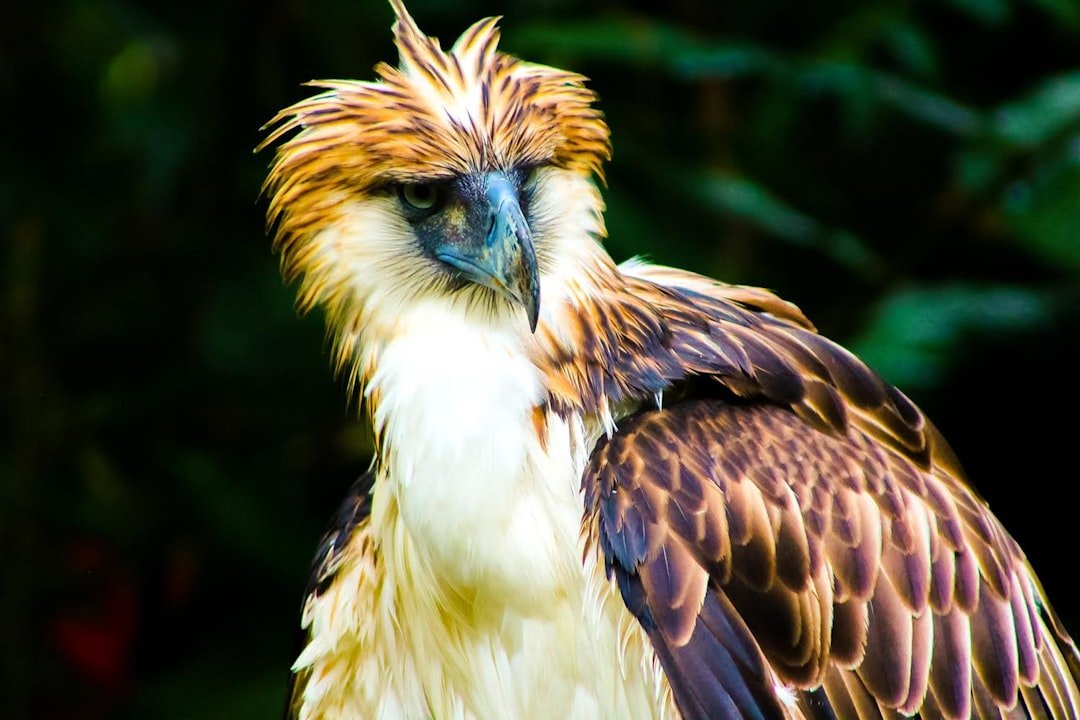
The single best thing to do in Davao and the reason to plan a morning around it. The centre in Malagos, Calinan, is a conservation breeding facility for the Philippine Eagle, which is critically endangered with only a few hundred left in the wild.
Entrance is around 150 pesos for adults and around 30 to 50 pesos for children and students. It is roughly 45 minutes to an hour from the city centre, and a taxi or Grab runs around 500 to 700 pesos each way. A jeepney to Calinan then a tricycle is around 100 pesos total if you have time.
Go in the morning when the birds are active. Allow around 90 minutes. The eagles are enormous in person and the keepers will talk to you about the breeding programme if you ask.
Honest negative: it is a conservation centre, not a zoo, and the enclosures are functional rather than beautiful. Some visitors expecting a polished attraction find it plain. The birds are the point.
Eat durian, or at least try
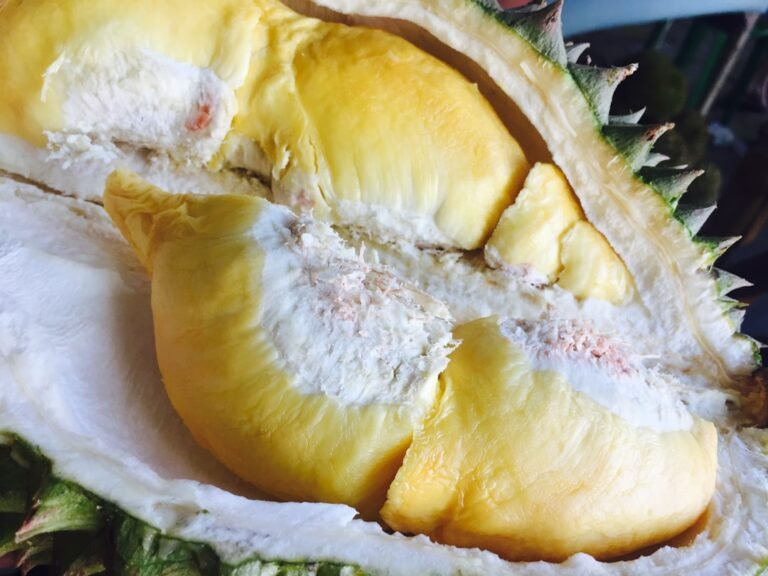
Davao is the durian capital of the Philippines and there is no getting away from it. The fruit stands cluster along Roxas Avenue and at the Magsaysay Fruit Stand area.
Expect around 100 to 250 pesos a kilo depending on variety and season, which runs roughly August to October at its peak. Puyat is the most popular variety, sweeter and less aggressive than others. Vendors will open one and let you taste before you commit.
You cannot bring it into most hotels, taxis or onto planes, and the signs saying so are serious. Eat it where you buy it.
If the fruit itself defeats you, durian candy, ice cream and coffee are everywhere and are a gentler introduction.
Cross to Samal Island
The Island Garden City of Samal is around 10 to 15 minutes by ferry from Davao, and it is the city’s beach.
Barges run from Sasa wharf continuously, costing around 20 to 30 pesos per person on foot, more with a vehicle. From the Samal side, tricycles and habal habal reach the resorts for around 100 to 300 pesos.
The main draws are the beach resorts along the west coast, the Hagimit Falls, around 50 pesos entry, and the Monfort Bat Sanctuary, around 100 pesos, which holds the largest colony of Geoffroy’s rousette fruit bats in the world. The bat cave is genuinely impressive and smells exactly as you would expect.
Day passes at the beach resorts run around 200 to 600 pesos. Staying over costs around 1,500 to 6,000 pesos a night depending on the resort.
Honest negative: Samal’s beaches are decent rather than spectacular, and if you have just come from Siargao or Palawan they will underwhelm. Judge it as a city beach and it does well.
Climb Mount Apo, if you are serious
The highest mountain in the Philippines at 2,954 metres, and a real multi day climb rather than a day hike. Most routes take three to four days.
Permits are required and are arranged through the local government units at the trailheads, with fees typically around 500 to 1,500 pesos plus a compulsory guide at around 1,000 to 1,500 pesos a day and porters if you want them. Numbers are capped, so arrange this weeks ahead, not on arrival.
It is cold at the summit, genuinely cold, and people arrive with tropical kit and suffer. This is not a casual add on to a city break.
If you want the scenery without the climb, the Kapatagan side has viewpoints and short walks reachable in a day.
Crocodile Park and the Davao Museum cluster
The Davao Crocodile Park in Riverfront, Ma a, holds saltwater crocodiles along with tigers, birds and a butterfly house. Entrance is around 250 to 450 pesos. It is around 20 minutes from the centre.
It is popular with families and there is a feeding show in the afternoon. As with a lot of Philippine wildlife parks, enclosure standards vary and some visitors find parts of it uncomfortable. If that matters to you, put your money into the Eagle Center instead, where the conservation work is real.
The adjoining Tribu K Mindanawan cultural village runs evening performances of indigenous music and dance, around 300 to 500 pesos, which is a reasonable introduction to Mindanao’s cultural diversity.
Jack’s Ridge and the city views
A hillside restaurant and viewpoint complex in Shrine Hills, Matina, looking back over Davao and the gulf. Free to enter, and you pay for food and drink at around 200 to 400 pesos a head.
Come at sunset for the view. It is a local institution more than a tourist attraction, and the food is ordinary, but the outlook over the city lights is the best in Davao.
Eden Nature Park
A mountain resort in Toril at around 900 metres, cool enough to need a jacket in the evening. Entrance is around 300 to 500 pesos including a guided tour, and various activities such as the skycycle and zipline cost extra at around 150 to 400 pesos each.
It is around an hour from the city. The temperature drop is the real attraction after a few days in the Davao heat, and the gardens are well kept.
Honest negative: it is a manicured resort rather than nature, despite the name. If you want actual forest, this is not it.
People’s Park and the city centre
A compact park in the middle of Davao with sculptures of the indigenous peoples of Mindanao by local artist Kublai Millan. Free to enter and worth 30 minutes.
Nearby, San Pedro Cathedral is the oldest church in the city and free. The Museo Dabawenyo covers the region’s history and cultures, entrance around 50 pesos, and is a better use of an hour than most city museums in the country.
Eat at Roxas Night Market
Roxas Avenue closes to traffic in the evening and fills with grill stalls, and this is the best cheap eating in Davao. It runs roughly 5pm to midnight.
Grilled seafood, chicken, isaw and the local favourites go for around 20 to 100 pesos a stick or portion. A proper meal costs around 150 to 300 pesos. There is also a section of clothing and phone accessory stalls that you can ignore.
Try the grilled tuna panga, the jaw cut, which Davao does particularly well thanks to the General Santos tuna trade nearby. Around 250 to 400 pesos and enough for two.
Try Davao’s other fruit and the seafood
Beyond durian, Davao grows pomelo, mangosteen, marang and rambutan, and the region supplies much of the country’s banana crop. The fruit stands on Bangkerohan market are cheaper than the tourist facing ones.
For seafood, the tuna from General Santos arrives fresh and cheap. Kinilaw, the local ceviche, is excellent here and costs around 150 to 250 pesos. Ask for it made with tuna belly.
Day trips from Davao
The Davao region opens up quickly once you leave the city. Mati and Dahican Beach on the Pacific coast are around 3 to 4 hours away and worth an overnight rather than a day trip.
Bukidnon, with its highlands and adventure parks, is around 4 hours north. Our Bukidnon guide covers what is up there.
Closer in, the Malagos Garden Resort near the Eagle Center makes chocolate that wins international awards, and tours with tastings run around 400 to 700 pesos. Combining it with the eagles makes an efficient day.
Getting to Davao and around
By air. Francisco Bangoy International Airport has frequent flights from Manila at around 1 hour 45 minutes and Cebu at around 1 hour. It is one of the best connected airports in the country outside Luzon.
The airport is around 20 to 30 minutes from the city centre. Grab is widely available and runs around 200 to 350 pesos into town. Taxis in Davao use the meter, reliably, which is not true everywhere in the Philippines.
Getting around. Jeepneys cover the city for around 13 to 25 pesos. Grab is cheap and easy for longer hops. There is a strict speed limit across the city and drivers observe it, so journeys take a little longer than the distance suggests.
Where to stay in Davao
Budget, roughly 700 to 1,400 pesos a night. Business hotels and guesthouses around the city centre and near Roxas Avenue. Good value and central.
Mid range, roughly 2,000 to 4,000 pesos a night. The larger hotels around Lanang and the malls, several with pools. Lanang is convenient for the airport and the Samal ferry.
Upper, roughly 5,500 pesos and up. Resorts at Lanang and the better properties on Samal Island if you want a beach base.
Davao is noticeably cheaper than Manila or Cebu for equivalent quality.
What a Davao trip costs
A day, budget. Accommodation around 900 pesos, food around 450 pesos including the night market, local transport around 300 pesos, one entrance fee around 150 pesos. Roughly 1,800 pesos per person per day.
Three days, mid range, per person. Flights from Manila both ways around 4,500 pesos, three nights at around 2,500 pesos shared works out around 3,750 pesos, food around 2,100 pesos, Eagle Center with transport around 900 pesos, Samal day trip around 800 pesos, Eden Nature Park around 600 pesos, Grab around 800 pesos. Roughly 13,450 pesos.
Is Davao safe?
Davao has a reputation as one of the safest large cities in the Philippines and in ordinary terms it holds up. There is a visible police presence, the anti smoking and speed limit rules are enforced, and street crime against visitors is uncommon.
The wider Mindanao security advisories that some governments issue do not generally apply to Davao City itself, though they do apply to parts of the region further west. Check your own government’s current advice, and note that it may affect your travel insurance regardless of conditions on the ground.
Best time to visit Davao
Davao sits outside the typhoon belt, which is its great advantage and the reason it is a reliable year round destination. Rain is spread fairly evenly rather than concentrated in a season.
March to May is hottest and driest. The Kadayawan Festival in August is the city’s biggest event, with street dancing and floral floats, and it is worth timing a trip around if you like festivals. Durian season peaks around August to October, which overlaps neatly.
Book ahead for Kadayawan week, when the city fills up.
What to skip in Davao
Skip Eden Nature Park if you want real forest rather than a landscaped resort. Skip Samal if you have just come from a better island, since it will disappoint by comparison. Skip Mount Apo unless you have three or four days and have arranged permits in advance, because you cannot simply turn up.
Skip Davao as a one night stopover. The Eagle Center alone takes half a day with the travel, and the city’s real pleasures are the market food and the pace, neither of which you get in an evening.
Quick FAQ
What are the best things to do in Davao? Visit the Philippine Eagle Center in Calinan, eat at the Roxas Night Market, cross to Samal Island for beaches and the Monfort Bat Sanctuary, try durian on Roxas Avenue, and take the cool air at Eden Nature Park.
How much is the Philippine Eagle Center entrance fee? Around 150 pesos for adults and roughly 30 to 50 pesos for children and students. It is around 45 minutes to an hour from central Davao, and mornings are best.
How do you get to Samal Island from Davao? Barges run continuously from Sasa wharf, taking around 10 to 15 minutes and costing around 20 to 30 pesos per person on foot. Tricycles reach the resorts from the Samal side.
Is Davao safe for tourists? Yes, it is regarded as one of the safest large cities in the Philippines, with visible policing and low street crime against visitors. Broader Mindanao advisories generally target areas well outside Davao City, but check your government’s current advice.
How many days do you need in Davao? Three. One day for the Eagle Center and Malagos, one for Samal Island, and one for the city, the markets and Eden Nature Park.
When is durian season in Davao? Roughly August to October at its peak, which overlaps with the Kadayawan Festival in August. Durian is sold year round in processed forms such as candy and ice cream.
Heading further around Mindanao? See our guides to South Cotabato and Cagayan de Oro.