
More Than Just a City of Love
Did you know Iloilo is the first city in the Philippines to be named a UNESCO Creative City of Gastronomy? While its reputation as the “City of Love” is well-earned, Iloilo’s true heart beats in its kitchens, its meticulously preserved heritage buildings, and the gentle waves that lap its island shores. This is a city that doesn’t just feed you; it tells you a story with every bite and every brick. Forget frantic itineraries. Planning your list of things to do in Iloilo is about savoring experiences, from a steaming bowl of Batchoy in a bustling market to the quiet grandeur of a Spanish-colonial church.
Island Escapes and Coastal Wonders
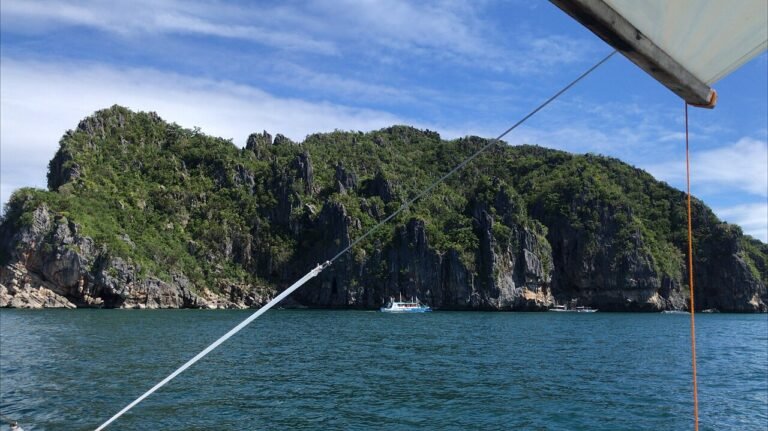
A trip to Iloilo province isn’t complete without heading north to the Gigantes Islands. This chain of islands off the coast of Carles offers dramatic karst cliffs and some of the clearest water in the Visayas. The journey from Iloilo City takes about 3-4 hours by van to Carles or Estancia, followed by a boat ride, so plan for an early start. Day tours are widely available, typically costing between PHP 1,500 to 2,000 per person. This usually includes a boat, guide, and a remarkable seafood lunch, all-you-can-eat scallops are a staple here for as low as PHP 200 per basket.
- Cabugao Gamay Island: This is the island you’ve likely seen in photos. A short climb to a viewpoint reveals a stunning perspective of the island’s twin beaches and a beautiful sandbar.
- Tangke Saltwater Lagoon: A natural pool enclosed by towering rock formations. It’s best to visit during high tide, but be prepared for crowds as it’s a popular stop.
- Antonia Beach: Known for its fine white sand and unique rock formations, it’s an ideal spot for swimming and enjoying that fresh seafood lunch.
A Walk Through Time: Iloilo’s Cultural Heart
Iloilo City is a living museum, and its historical and cultural tourist attractions in Iloilo are remarkably well-preserved. Start with the churches, which are architectural marvels. The Miagao Church, a UNESCO World Heritage site, stands out with its unique facade depicting a coconut tree as the “tree of life”, a beautiful example of Filipino artisans adapting foreign motifs. It’s located about an hour’s drive south of the city, but it’s an essential pilgrimage. Closer to the city center, you’ll find Molo Church, affectionately called the “feminist church” for its lineup of all-female saints, and the grand Jaro Cathedral, with its detached belfry across the street. These sites offer a deep dive into the region’s rich Catholic heritage.
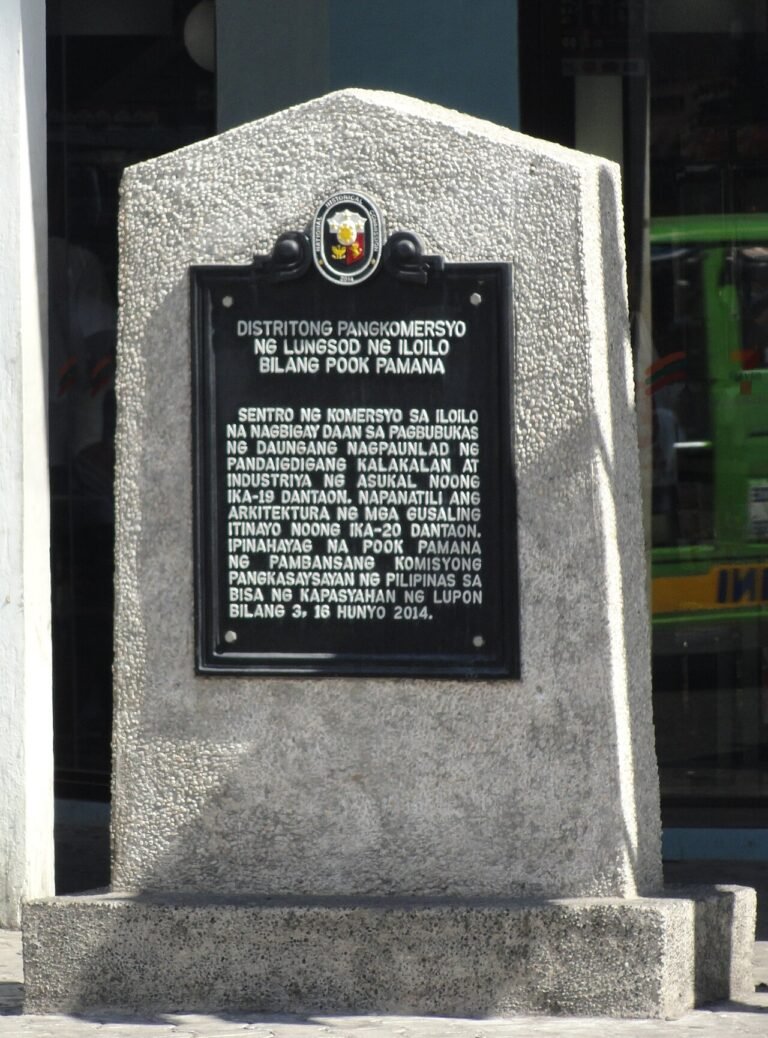
After exploring the churches, take a walking tour of Calle Real in the old downtown area. The street is lined with restored buildings from the American colonial era, housing modern shops and banks. For a more modern perspective, the Iloilo River Esplanade is a triumph of urban planning. This 9-kilometer-long riverside park is perfect for a sunset stroll, a morning jog, or simply watching the city wind down.
The Flavors of a Gastronomic Capital
Now for the main event: the food. Answering the question of what to do in Iloilo always leads to a culinary journey. You cannot leave without trying the city’s signature dishes. Head straight to the source at La Paz Public Market. Inside, you’ll find Netong’s, the legendary birthplace of La Paz Batchoy. This rich noodle soup, brimming with pork, offal, and crushed chicharon, is the ultimate comfort food. A regular bowl costs around PHP 120. While in the market, grab a cup of traditionally brewed coffee at Madge Cafe, a local institution since the 1940s.
Don’t stop there. Seek out a bowl of Pancit Molo, a savory pork-dumpling soup that’s more soup than pancit. For a snack, line up at Roberto’s Siopao on Calle Real for their famous steamed buns, especially the Queen Siopao, which is packed with chicken-pork adobo, egg, and sausage. These aren’t just meals; they are cornerstone cultural experiences and essential things to do in Iloilo.
Soft Adventures and Unique Pilgrimages
While not known for extreme sports, Iloilo offers unique adventures. In the nearby town of San Joaquin, Garin Farm combines agriculture, leisure, and a striking pilgrimage site. After exploring the farm, you climb 480 steps to a re-creation of a heavenly scene, a stark white plaza meant to depict the ascension. It’s a surreal and highly photogenic experience that draws crowds, so try to visit on a weekday. The entrance fee is PHP 150 per person. Biking along the Iloilo River Esplanade or kayaking on the river itself are also great ways to actively explore the city’s landscape.
Beyond the Tourist Trail
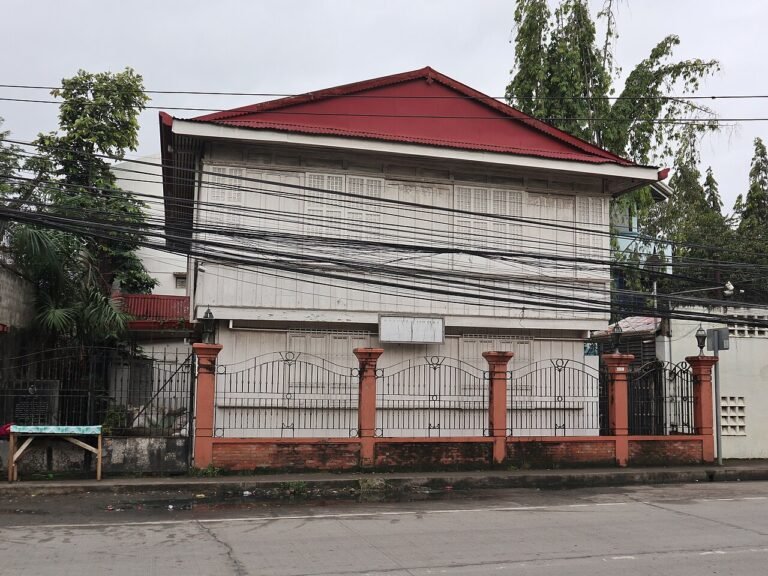
If you want to experience Iloilo on a deeper level, visit the Camiña Balay nga Bato. This 1865 ancestral home offers a glimpse into the lives of the city’s old elite. A guided tour concludes with a cup of thick, rich hot chocolate (tsokolate eh) and local biscuits. It’s an intimate and authentic experience you won’t find in larger museums. Another lesser-known stop is the San Joaquin Cemetery. Its gate features a beautiful, intricately carved chapel with Roman and Gothic influences, a testament to the area’s artistic history.
What a Trip to Iloilo Costs
For a weekend covering the heritage district, a day trip to Gigantes Islands, and the local food circuit at La Paz Market, budget roughly 4,500 to 7,000 pesos per person, covering the Gigantes van and boat tour, mid range accommodation, and meals. Skip the island day trip and stick to city sights and food, and a full day easily runs under 1,500 pesos.
Getting to Iloilo
Iloilo International Airport receives daily flights from Manila and Cebu, roughly 1 to 1.5 hours in the air, and sits about 30 to 45 minutes from the city center by taxi or ride hailing app. Ferries also connect Iloilo to Bacolod across the strait, a short 1 hour crossing, and to Guimaras, closer to 20 to 30 minutes, both useful if you’re building a wider Western Visayas itinerary rather than treating Iloilo as a standalone stop.
Where to Stay in Iloilo City
Budget accommodation clusters near the city center and downtown, roughly 800 to 1,500 pesos a night for a clean, simple room. Mid range hotels closer to the business district and the riverfront Esplanade run around 2,000 to 3,500 pesos, with reliable aircon and often breakfast included. Higher end options, including a few proper resort style hotels, run 4,000 pesos and up, generally the better choice if you want river or city views alongside more amenities.
A Simple Two Day Itinerary
Day one, walk Calle Real and the broader Iloilo Business District Heritage Zone in the morning, taking in the Spanish and American colonial era architecture, then head to La Paz Public Market for batchoy at Netong’s and coffee at Madge Cafe. Spend the evening along the Iloilo River Esplanade, a pleasant waterfront walk popular with locals at sunset. Day two, take the early van to Carles or Estancia for the Gigantes Islands day trip, covering the karst rock formations and clear water that make the islands worth the travel time, returning to the city by evening.
The Dinagyang Festival
If your dates allow it, Iloilo’s Dinagyang Festival, held every fourth Sunday of January, is one of the more spectacular street festivals in the Philippines, honoring Santo Niño with elaborate costumed tribe performances and drumbeats that echo through downtown for days. It’s genuinely worth planning a trip around if festivals interest you, though expect significantly higher accommodation prices and crowds during that week, book well ahead if you’re targeting it specifically.
Money and Practical Tips
ATMs are widely available throughout Iloilo City, less so once you’re out toward Carles or Estancia for the Gigantes trip, so withdraw what you need before heading north. Mobile signal from Globe and Smart covers the city reliably, with some thinning out around the more remote parts of the Gigantes Islands themselves. English is widely spoken in the city given its status as a business and education hub for the region, language is rarely a barrier here even outside typical tourist areas, which makes Iloilo an easier first stop in the Visayas than some of the more rural provinces nearby.
Plan Your Trip to Iloilo
Ready to book? Compare hotels and tours in Iloilo below.
- Search Hotels in Iloilo on Booking.com
- Compare Hotels in Iloilo on Agoda
- Find Tours and Activities in Iloilo on Klook
- Book Tours in Iloilo on GetYourGuide
Booking through these links may earn us a small commission at no extra cost to you.
The Iloilo Heritage Church Circuit
If you do one structured thing in Iloilo, make it the churches, because the province has the best concentration of Spanish colonial religious architecture outside Ilocos. Miagao Church, a UNESCO World Heritage Site, is the standout, and its sandstone facade with the carved coconut tree and St Christopher relief is genuinely unlike any other church in the country. It sits around 40km southwest of the city, roughly an hour by jeepney or van from the Molo terminal, and there is no entrance fee though donations are expected.
Molo Church in the city itself is the other essential, a coral stone Gothic building known for the row of female saints lining the nave. Jaro Cathedral, with its separate belfry across the road, completes the city trio. All three are free and open through the day, though services interrupt visiting on Sundays.
Further out, Tigbauan Church has an elaborate Latin American style facade and San Joaquin Church carries a carved battle scene above the door, which is unusual for a Philippine church. Doing all five in a day is possible with a hired van, costing somewhere around 2,500 to 3,500 PHP for the vehicle, and is a better use of a day than most of the alternatives.
Getting Around Iloilo City
Iloilo is one of the easier Philippine cities to move around, which is part of why people like it. Jeepneys cover the city on fixed routes for around 13 to 15 PHP a ride, and the network is dense enough that you rarely wait. Grab operates here and works properly, which is not true everywhere in the Visayas, and a cross city ride typically runs somewhere around 150 to 300 PHP.
The city is also unusually walkable by Philippine standards. The Iloilo River Esplanade is a genuinely pleasant riverside walkway several kilometres long, well lit and busy with joggers in the early morning and evening, and it connects a good part of the modern city. Calle Real in the old centre is a compact heritage street you can cover on foot in an hour.
Bicycles are increasingly viable, since Iloilo has built out more protected bike lanes than any other Philippine city. Several places rent bikes for roughly 300 to 500 PHP a day.
Day Trips from Iloilo City
Guimaras is the obvious one and the easiest. Pumpboats leave from Ortiz Wharf roughly every fifteen to thirty minutes through the day, take around fifteen to twenty minutes, and cost somewhere in the region of 50 to 80 PHP plus a small terminal fee. On the other side, hire a tricycle or multicab for an island tour at roughly 800 to 1,500 PHP for the day. Mango season around April and May is the point, though the island is pleasant year round.
The Islas de Gigantes are the other big draw and are emphatically not a day trip, whatever some operators claim. They sit around four to five hours north of the city by land to Estancia or Bancal, then another hour or more by boat. Give them two nights.
Closer in, Garin Farm in San Joaquin and the Bucari pine forest in Leon both make comfortable half or full day escapes, and Concepcion in the north has quieter island hopping than Gigantes with a fraction of the effort.
Best Time to Visit Iloilo
The dry months from around December to May are the most comfortable, and January is the obvious peak because of Dinagyang, which falls on the fourth Sunday of the month. If you want the festival, book accommodation months ahead, because the city genuinely sells out and prices roughly double.
February to April is the sweet spot for everything else: dry, sunny, and quiet enough that you get the heritage sites to yourself. May starts getting uncomfortably hot. The southwest monsoon brings the wet season from around June to October, with the heaviest rain in August and September, and while Iloilo is less typhoon battered than eastern Visayas, storms do disrupt the Guimaras and Gigantes boats.
Practical Things Worth Knowing
Ilonggo is the local language and it has a reputation across the Philippines for sounding gentle and melodic. English and Tagalog are both widely understood, so there is no practical barrier.
Iloilo has a genuine cafe culture, more so than most provincial Philippine cities, and the coffee is good. Malls are extensive, so anything you have forgotten is easy to buy. ATMs are plentiful in the city and scarce once you head into the countryside, so draw cash before day trips.
On safety, Iloilo is one of the more relaxed cities in the Philippines and the usual urban precautions are enough. Petty theft around the terminals and markets is the realistic risk. The Esplanade is well used and comfortable in the evening.
What to Skip in Iloilo
Some honesty, because Iloilo is often over recommended by people who liked the food. The city has no beach. Villa Beach in Arevalo is where locals go and it is fine for a sunset and a drink, but it is grey sand next to a working coastline and it is not a beach day. If you want beaches, that is what Guimaras, Antique or Boracay are for, all reachable from here.
Skip the Islas de Gigantes as a day trip, as above. People do try it and spend nine hours travelling for two hours on the islands.
And skip a long stay if what you want is dramatic scenery. Iloilo’s appeal is food, heritage architecture and an unusually civilised, liveable urban feel. Three days is about right for the city plus Guimaras. Stretching it to a week means you are really using it as a base for the rest of Panay, which is a perfectly good plan, but it is a different trip.
Plan the Rest of Your Trip
Iloilo is the best base on Panay, so use it. Guimaras is twenty minutes across the water and our guide to things to do in Guimaras covers the mango farms and beaches. If you are learning to cook the local food, we have written about cooking classes in Iloilo. Heading onward, Bacolod is a short hop by ferry, and Boracay is the usual next stop north through Caticlan.
Quick FAQ
What are the best things to do in Iloilo? Eat batchoy at La Paz Market, walk Calle Real and the Iloilo River Esplanade, visit Molo and Jaro churches in the city, take the day trip out to Miagao Church, and cross to Guimaras for the mangoes and beaches. Dinagyang in January is the big event.
How many days do you need in Iloilo? Three days covers the city and a Guimaras day trip comfortably. Add two nights if you want the Islas de Gigantes, which are not doable as a day trip despite what some operators suggest.
What is the best time to visit Iloilo? December to May is dry, with February to April the sweet spot for weather and quiet. January brings Dinagyang on the fourth Sunday, which is spectacular but means booking months ahead at roughly double the usual room rates.
How do you get from Iloilo to Guimaras? Pumpboats run from Ortiz Wharf every fifteen to thirty minutes, take around fifteen to twenty minutes and cost roughly 50 to 80 PHP plus a small terminal fee. On Guimaras, hire a tricycle or multicab for the day at around 800 to 1,500 PHP.
Does Iloilo have good beaches? Not in the city. Villa Beach in Arevalo is fine for a sunset drink but it is grey sand on a working coastline. For real beaches, cross to Guimaras or head to Antique, Concepcion or Boracay, all easy from Iloilo.
Is Iloilo safe for tourists? Yes, it is one of the more relaxed and walkable Philippine cities. Ordinary urban caution is enough, with petty theft around markets and terminals the realistic risk. The Esplanade is well used and comfortable in the evening.