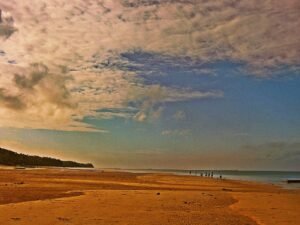
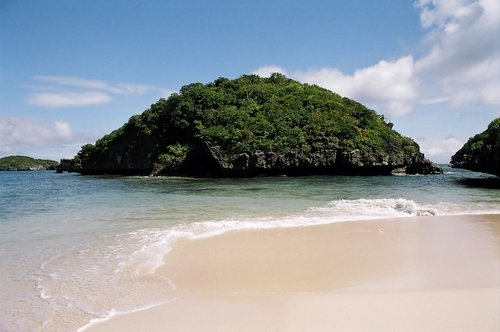
Hundred Islands National Park looks like something a child would draw if you asked them to imagine a tropical paradise: dozens of small, jungle topped limestone islands scattered across turquoise water, close enough together that a short boat ride puts a new one under your feet. It was the Philippines’ first national park, declared back in 1940, and it is still the reason most people visit Alaminos City in Pangasinan. But Alaminos is more than a launch pad for the park. There is a city cathedral worth a quiet stop, beaches the tour buses skip, and a lighthouse town half an hour up the coast that most itineraries never mention.
This guide covers both halves of the trip: the islands everyone comes for, and the parts of Alaminos and its surroundings that turn a single day tour into a proper two or three day stay. It also walks through how the newly digitized registration system actually works, since that has changed noticeably from the walk up, cash only process most older guides still describe.
How the Park Actually Works Now
Hundred Islands runs on a genuinely different system than it did a few years ago. In February 2026, Alaminos City rolled out the Hundred Islands National Park Management System (HINPMS), a digital registration and boat monitoring platform meant to clean up the old walk up, cash only process. You will still register and pay in person at the jump off point, but your boat assignment, headcount and route are now tracked electronically, which has cut down on the overcrowding and boat touting that used to be common on weekends.
Registration fees are charged per person and split into three parts: an entrance fee of around 30 PHP, an environmental fee of around 60 PHP for a day tour (roughly 120 PHP if you are staying overnight on one of the islands), and an insurance fee of around 10 PHP. Residents of Alaminos City are exempt from the environmental fee, so bring ID if that applies to you.
Boats are priced per boat, not per person, which matters for your budget. A small boat that seats up to five people runs around 800 PHP for a day tour, a medium boat for six to ten people is around 1,000 PHP, and a large boat for eleven to fifteen people is around 1,100 PHP. The obvious move if you are traveling solo or as a couple is to team up with other travelers at the registration area and split a boat, since the per boat pricing barely changes whether you fill five seats or one.
Rates are set by the city government and do change from time to time, so treat the figures above as a solid planning baseline rather than gospel, and confirm at the registration counter or with the Alaminos City tourism office before you commit to an itinerary.
Governor’s Island: The Zipline and the View Worth the Climb
Governor’s Island is one of only four islands in the park developed for regular visitors, and it earns its popularity two ways. The first is a 526 meter zipline that runs from this island across open water to a neighboring one, giving you a genuinely good few seconds of flight over the reef below. The second is the climb to the island’s peak, a short but sweaty set of stairs that opens onto a full panoramic view of the surrounding islands. It is the single best vantage point in the park for photos, and worth doing even if you skip everything else on the island.
Governor’s Island is also home to Imelda Cave, a modest cavern named after the former first lady, with cool interior air that makes it a welcome break from the midday sun. Bring a flashlight or use your phone; the cave is not lit.
Marcos Island: Caves, Cliffs and a Genuine Adrenaline Rush
Marcos Island is the pick for travelers who want more than a swim. Marcos Cave, the island’s main draw, is a limestone chamber lined with stalactites and stalagmites, cool and quiet inside, and easy enough to explore without any special gear. Just outside it, a series of cliffs give you jumping platforms of varying heights into clear water below. It is not an official, staffed cliff diving operation, so use your own judgment on the height you are comfortable with and check water depth before you commit to a jump. This is where most of the park’s more memorable Instagram videos come from, for good reason.
Quezon Island: The Easy, Crowd Pleasing Stop
If Marcos Island is for adrenaline, Quezon Island is for everyone else. It is the most developed island in the park, with a proper swimming area, food stalls selling grilled seafood and cold drinks, its own zipline, and shaded cottages you can rent for the day. Families with young kids and travelers who just want to swim, eat and relax tend to gravitate here, and it is usually the busiest island on weekends as a result. If you are chasing a quieter experience, visit on a weekday or plan to arrive early before the bigger tour groups do.
Picking Your Islands
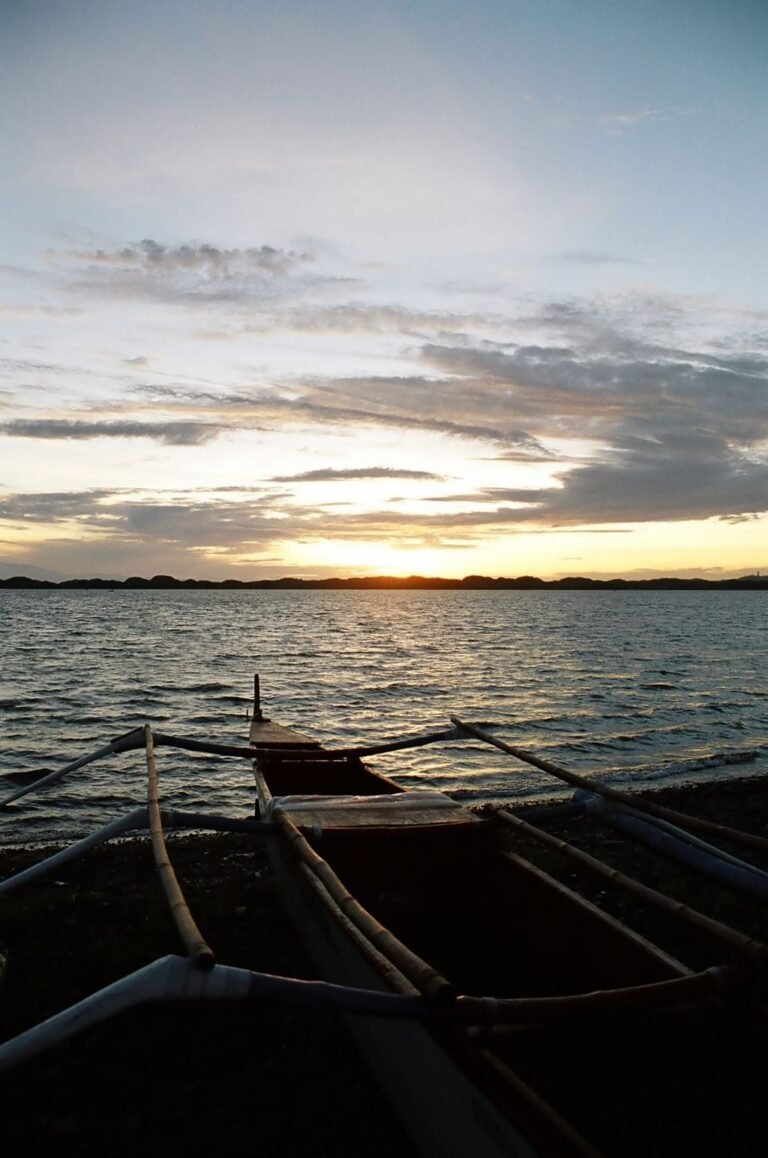
Most boatmen will offer a standard route covering three to four islands in a half day, typically Governor’s, Marcos, and Quezon, sometimes with a stop at a smaller, undeveloped island for quiet swimming away from the crowds. If you only have time for one island, Marcos Island gives you the widest mix of activities (cave, cliffs, swimming) in a single stop. If you are traveling with kids or want the simplest possible day, Quezon Island alone will cover most of what a first time visitor wants. Ask your boatman about adding one of the smaller, less developed islands to your route; several of the 124 islands are essentially private beaches with nobody else on them, and boatmen are usually happy to include a stop if you ask before departure.
Worth knowing: of the roughly 124 islands that make up the park (the count drops to 123 at high tide, since one small outcrop disappears under the waves), only four are developed with facilities. The other 120 or so are exactly what you picture when someone describes an untouched tropical island: small, forested, with a thin ring of sand and nobody on them most days. Boatmen know which of these are calm enough to land on and which are better left for a photo pass, so if a crowd free swim matters more to you than zipline and food stalls, say so before you leave the registration area rather than after you have already committed to the standard three island route.
Sample Itinerary: One Day Versus Two
If you only have one day, catch the earliest bus or arrive the night before and start registration at the jump off point by 8am. A half day island hopping tour covering Governor’s, Marcos and Quezon Island runs roughly four to five hours including travel between stops, which leaves you back on land by early afternoon with enough daylight to visit Bolo Beach or Tobuan Beach before heading out, or to explore the city proper and the Cathedral of St Joseph the Patriarch.
With two days, split the trip properly: spend the first full day on the islands, taking the slower, more complete route that adds a fourth or fifth island and gives you time to actually sit at Quezon Island’s food stalls rather than rushing between stops. Use the second day for the Bolinao side trip, covering Patar Beach, Cape Bolinao Lighthouse and the nearby waterfalls, then head back toward Manila or your next destination that evening. This pacing turns a rushed single day tour into a trip that actually does the area justice, and it is the version most returning visitors say they wish they had done the first time.
Where to Eat in Alaminos
Food inside the park itself is straightforward: the stalls on Quezon Island serve grilled fish, squid and pork skewers, plus rice and cold drinks, at prices that run a little higher than you would pay in the city proper, which is normal for anywhere you have to arrive by boat. If you want a wider selection or a sit down meal, wait until you are back in Alaminos City, where local carinderias around the public market and the area near the boulevard serve Pangasinan staples like bangus (milkfish) prepared several ways, pigar-pigar (a Dagupan style stir fried beef dish that originated nearby), and fresh seafood bought straight off the morning catch. Bolinao, if you make the side trip, is known locally for its own take on bagoong (fermented fish or shrimp paste) and is worth a stop for seafood if you are already spending the day on that stretch of coast.
Timing your arrival matters more than most first time visitors expect. Tour groups from Manila and nearby provinces tend to arrive between 9am and 11am, so registering and getting on the water by 7:30am or 8am buys you a genuinely quieter first hour or two on Governor’s and Marcos Island before the bigger crowds catch up. The light is better for photos that early too, with softer morning sun instead of the flat glare of midday.
Beyond the Park: What Else Alaminos City Has to Offer
Most visitors treat Alaminos as a one day stop, do the islands, and leave. That skips a handful of things worth a look if you have an extra half day.
Bolo Beach is a natural, undeveloped stretch of coastline good for picnicking, a bonfire if you are staying into the evening, and sandcastle building with kids. There is no entrance fee, which makes it an easy add on if you are already in the area.
Tobuan Beach has finer white sand than Bolo and draws noticeably fewer visitors, making it a good choice if the islands themselves felt crowded and you want a quieter stretch of coast to finish the day.
Cuenco Cave is a lesser known cave attraction inland from the coast, a reasonable option if you enjoyed the cave stops on Governor’s or Marcos Island and want more of that without going back out on a boat.
The Cathedral of St Joseph the Patriarch, Alaminos City’s main church, is worth a quiet stop if you appreciate Spanish colonial era architecture, and Pilgrimage Island, one of the smaller islands within the park, has religious significance for local Catholics and hosts a notable pilgrimage each year.
Side Trip: Bolinao’s Patar Beach and Lighthouse
If you have a second or third day, Bolinao is around an hour from Alaminos and makes a genuinely worthwhile add on. Patar Beach is regularly ranked among the finest beaches in Luzon, with long stretches of pale sand and a much less developed feel than Hundred Islands. Nearby, the Cape Bolinao Lighthouse, one of the tallest in the Philippines, gives you a coastal view worth the short climb, and a couple of waterfalls in the area round out a full day trip. Tondol Beach in Anda, roughly between Bolinao and Alaminos, is another quiet option if Patar feels busy when you arrive.
How to Get to Alaminos from Manila
The most straightforward option is Victory Liner, which runs direct buses from its Cubao terminal (a five minute walk from MRT Araneta Center-Cubao) to Alaminos, with around ten departures a day between Regular air conditioned and Deluxe service. The trip covers roughly 300 kilometers and takes somewhere between six and seven hours depending on traffic leaving Metro Manila, so an early departure is worth planning around if you want a full first day at the park.
If Victory Liner’s schedule does not line up with yours, a faster alternative is to take any bus bound for Dagupan, which cuts four to five hours off the direct route, then transfer to a minivan or shared van for the final leg to Alaminos, roughly an hour more and around 80 to 100 PHP. This option involves one extra transfer but can save real time if you are working around a tight schedule.
Whichever route you take, book your outbound ticket online in advance where possible; Victory Liner requires a printed or downloaded voucher for boarding, and seats on the more popular morning departures do sell out, especially around weekends and local holidays.
What to Pack
A few things make the day noticeably easier: reef safe sunscreen, a hat or rash guard for extended sun exposure since shade is limited once you are on the water, water shoes for the rockier island entry points, a dry bag or waterproof phone pouch for the boat rides, and cash in small bills for registration fees, boat rentals and food stalls. If you are planning to explore Marcos Cave or Imelda Cave, a phone flashlight or small headlamp is genuinely useful since neither cave has installed lighting.
Practical Things Worth Knowing Before You Go
The dry season, roughly November through May, is the most reliable window for island hopping, with calmer water and a lower chance of tours getting cancelled for weather. June through October brings the rainy season and a real chance of rough seas closing the park to boats entirely, so if you are visiting during those months, build a buffer day into your itinerary in case a tour gets postponed.
Bring cash. The registration counters and most food stalls on Quezon Island are not set up for cards, and while the HINPMS system has modernized the booking process, payment on the ground is still largely cash based.
Wear reef safe sunscreen and reapply often; there is very little shade once you are out on the water, and the reflection off the limestone cliffs adds to the exposure. Water shoes are worth packing too, since several islands have rocky entry points rather than soft sand.
If you are set on cliff jumping at Marcos Island, check with your boatman or other visitors about water depth before you jump, particularly at low tide, since depth at the same spot can vary meaningfully through the day.
More Alaminos and Hundred Islands Guides
Pair this with the rest of what you need to plan the trip.
- Alaminos Travel Guide: Your Gateway to Hundred Islands, Pangasinan
- Hundred Islands Travel Guide: What to Know Before You Go
Plan Your Trip to Alaminos
Ready to book? Compare hotels and tours in Alaminos below.
- Search Hotels in Alaminos on Booking.com
- Compare Hotels in Alaminos on Agoda
- Find Tours and Activities in Alaminos on Klook
- Book Tours in Alaminos on GetYourGuide
Booking through these links may earn us a small commission at no extra cost to you.
What a Day of Things to Do in Alaminos City Actually Costs
Here is the arithmetic most guides leave out. Entrance to Hundred Islands National Park runs around 120 PHP per adult for day use, with environmental and terminal fees on top that typically bring the gate total to roughly 180 to 250 PHP a head. Boat hire is the big line, and it is priced per boat rather than per person, so a small group changes everything. A service boat for up to around five passengers is roughly 1,400 to 1,800 PHP for a standard island hopping run, and larger boats scale up from there.
Add-ons are where budgets slip. The Governor’s Island zipline is around 250 to 350 PHP. Helmet diving costs roughly 500 to 750 PHP. Kayak rental on the islands runs about 250 PHP an hour. A cottage or table on Quezon Island is around 500 PHP for the day. None of it is compulsory and the park is perfectly good without any of it.
Realistically, two people doing a standard day trip from Alaminos City with a shared boat, gate fees, lunch and a couple of add-ons will spend somewhere around 3,000 to 4,500 PHP between them. Four people split the boat and land closer to 1,200 to 1,500 PHP each. Prices do get adjusted, so treat these as the shape of the cost rather than a quote.
The Best Time of Day to Go, and Why It Matters
Boats start running from Lucap Wharf from around 6am, and the last returns are generally mid to late afternoon. The park operates on daylight, not on your schedule.
Go early. This is the single highest value tip for Alaminos City, and almost nobody from Manila follows it because they drive up in the morning. If you are on the water by 7am you get Governor’s Island viewpoint in soft light and near silence. Arrive at 11am, which is when the day tour buses land, and you are queueing on a staircase behind forty people for the same photograph.
The other reason is wind. The sea between the islands generally gets choppier through the afternoon, and a rough crossing in a small boat with children on board is nobody’s good time. Morning water is calmer more often than not.
Things to Do in Alaminos City When the Weather Turns
Hundred Islands is an outdoor day, and the park does suspend boat operations in bad conditions. If you have driven five hours and the wharf is closed, you need a plan B, and this is the honest weakness of Alaminos City as a destination: there is not a deep bench of indoor alternatives.
What there is: the Alaminos City public market for a genuinely local hour and a bag of longganisa to take home, the Cathedral of Saint Joseph in the town centre, and the drive west toward Bolinao where the cave pools and Patar Beach can still be pleasant in light rain. Further out, Bolinao Falls is arguably better in wet weather than dry.
If the forecast looks bad for your only day, consider shifting the trip rather than showing up and hoping. The park is not worth doing badly.
Quick FAQ
How many islands can you actually visit in one day?
Most half day tours cover three to four islands, typically a mix of Governor’s, Marcos and Quezon Island plus one smaller stop. A full day tour can stretch to five or six if your group starts early.
Is Hundred Islands worth visiting if I am not into swimming or hiking?
Yes. Quezon Island alone gives you shaded cottages, food stalls and calm water for wading, without requiring any climbing or cave exploring, and the boat ride between islands is scenic on its own.
Can I visit Hundred Islands as a day trip from Manila?
It is technically possible but not comfortable. With six to seven hours of travel each way, you would spend most of the day in transit for only a few hours at the park. An overnight stay in Alaminos is strongly recommended.
Do I need to book island hopping tours in advance?
Generally no. Boats and registration are handled on site at the jump off point, and the HINPMS system manages allocation in real time. Advance booking is mainly useful if you are traveling with a large group or during a peak weekend.
Is Alaminos City safe for tourists?
Yes, Alaminos and the surrounding Hundred Islands area are considered safe and are well used to tourism, with standard travel precautions being all that is needed.
More Alaminos Guides
Before you book the boat, it is worth reading our guide to whether Alaminos is safe for tourists, which covers the water and weather risks that catch people out at Hundred Islands.