
Often dubbed the “Rice Granary of the Philippines,” Nueva Ecija might not immediately feature on every traveler’s radar, yet it offers a surprisingly rich tapestry of natural beauty, compelling history, and authentic Filipino provincial life. Many imagine endless fields, which it certainly has, but look closer and you’ll discover majestic dams, hidden waterfalls, and limestone karsts that challenge the conventional perception of this Central Luzon province. The real question isn’t whether Nueva Ecija has anything to offer, but rather, are you prepared to truly see it?
This nueva ecija travel guide aims to peel back the layers, providing practical insights and insider tips to navigate a province that rewards the curious and the adventurous. Forget crowded beaches; here, you’ll find an authentic slice of the Philippines, accessible and welcoming.
How to Get There
Reaching Nueva Ecija is straightforward, primarily via land travel from Metro Manila. The province’s main city, Cabanatuan, serves as the primary gateway.
- By Bus: This is the most common and convenient option. Several bus lines, including Genesis Transport, Five Star, and Baliwag Transit, operate regular routes from major terminals in Cubao and Pasay, Manila, directly to Cabanatuan City.
- Travel Time: Approximately 3 to 4 hours, depending on traffic.
- Cost: Expect fares to range from PHP 200 to PHP 300 for a one-way trip.
- Private Vehicle: For greater flexibility, driving allows you to explore the more rural attractions at your own pace. The North Luzon Expressway (NLEX) and Subic-Clark-Tarlac Expressway (SCTEX) connect Manila to Nueva Ecija.
Once in Nueva Ecija, getting around requires a mix of local transport. Within cities like Cabanatuan and Palayan, tricycles are ubiquitous and affordable. For inter-town travel, jeepneys and provincial buses are your best bet, though be prepared for longer journeys and frequent stops. Ride-sharing apps are generally not available outside of major urban centers here.
Getting Around Once You Are There
Nueva Ecija is a big, spread out province, and its main attractions do not sit close together, so plan for travel time between them. Cabanatuan City is the practical hub, most buses from Manila stop there, and it has the widest choice of jeepneys, tricycles, and vans onward. A tricycle within Cabanatuan itself runs roughly PHP 15 to PHP 30 per person for a short trip. Getting to Minalungao National Park from Cabanatuan means a jeepney or van to General Tinio, roughly PHP 60 to PHP 100, followed by a short tricycle ride to the park entrance. Pantabangan is further out, expect a van or bus ride of around 2 hours from Cabanatuan, with fares roughly PHP 150 to PHP 200. If your itinerary covers more than one attraction in a day, renting a private van with a driver for the day is worth pricing out, especially for a group, since public transport connections between the rural attractions themselves are thin and infrequent. Rates for a full day van rental with driver run roughly PHP 3,000 to PHP 5,000 depending on distance covered, which splits down to a reasonable amount across three or four people.
Top Attractions & Things to Do in Nueva Ecija
Beyond its agricultural heartland, a visit to Nueva Ecija unveils diverse landscapes and historical sites. These are some of the standout things to do in nueva ecija:
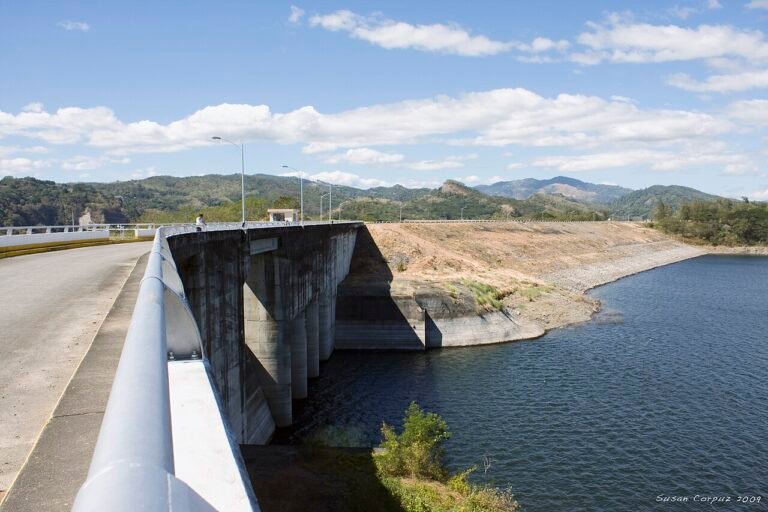
- Pantabangan Dam and Lake: One of Southeast Asia’s largest earth-fill dams, Pantabangan offers breathtaking views, particularly at sunset. The sprawling lake is ideal for fishing, boating, and simply enjoying the tranquility. In extreme dry seasons, the submerged old town of Pantabangan sometimes reappears, a rare and intriguing sight.
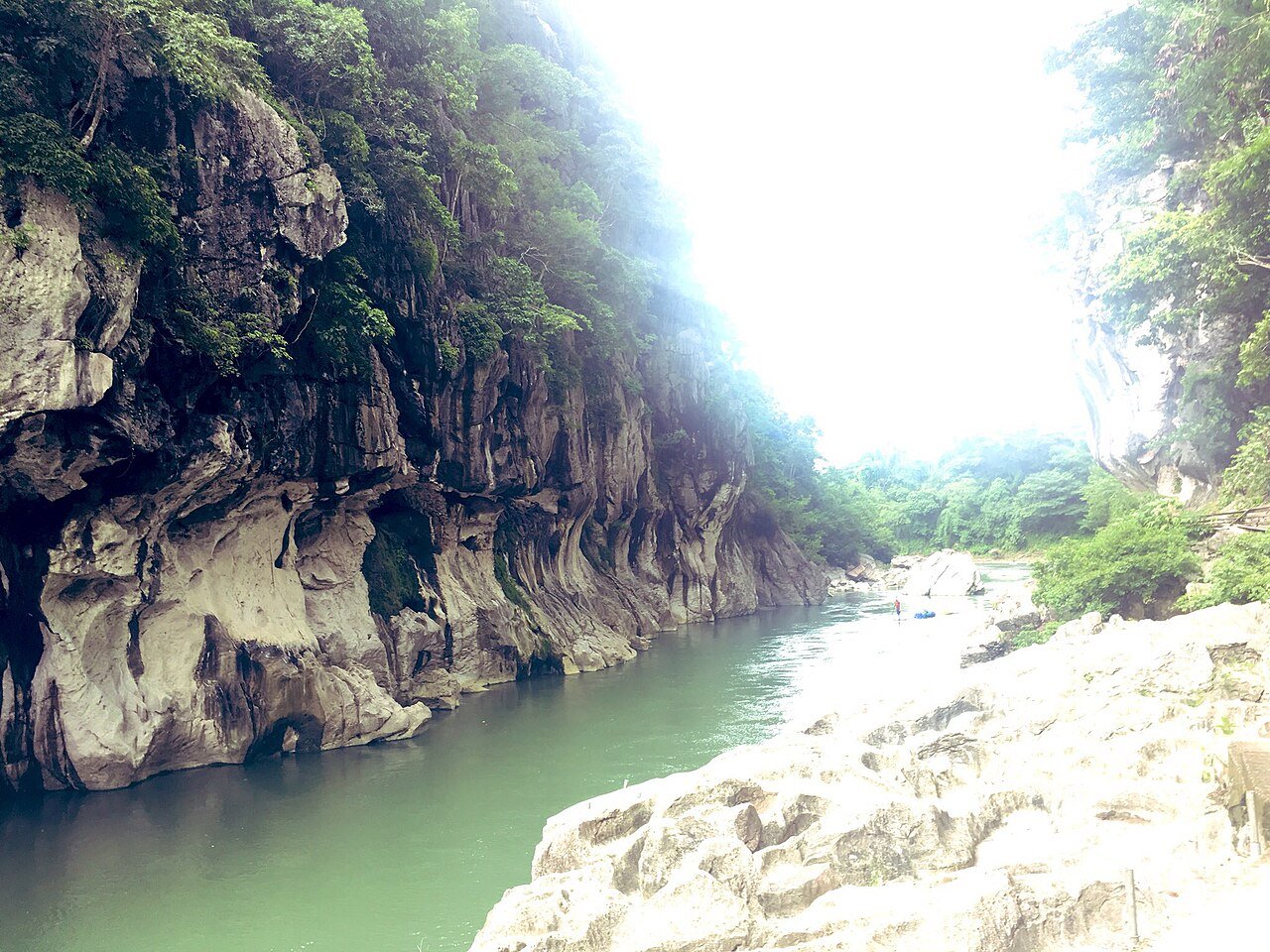
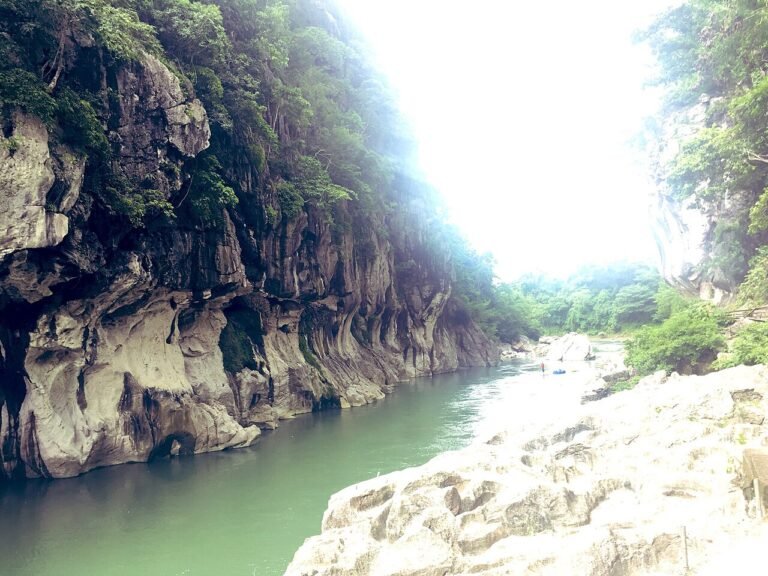
- Minalungao National Park (General Tinio): A true natural wonder, Minalungao features towering limestone cliffs, a pristine river with emerald green waters, and a series of caves. Activities include bamboo rafting along the river, swimming, and exploring the main cave system. Entrance fee is around PHP 100 per person.
- Gabaldon Falls (Gabaldon): Tucked away in the Sierra Madre foothills, Gabaldon Falls offers a refreshing escape. It requires a relatively easy trek through lush forest, leading to multi-tiered waterfalls with natural pools perfect for a dip.
- Mount Kemalugong (Palayan City): For trekkers and nature lovers, Mount Kemalugong in the capital city offers panoramic views of the province. It’s a less-traveled trail, providing a more rugged and authentic hiking experience.
- Camp Pangatian War Memorial (Cabanatuan City): A significant historical site from World War II. This memorial commemorates the Cabanatuan Prison Camp, where thousands of American and Filipino prisoners of war were held, and the daring raid that liberated them in 1945. It’s a somber but important visit for history buffs.
Where to Stay in Nueva Ecija
While not brimming with luxury resorts, Nueva Ecija offers a range of accommodations that cater to various budgets, primarily concentrated in its urban centers. If you’re looking for where to stay in Nueva Ecija, consider these hubs:
- Cabanatuan City: As the provincial capital and largest city, Cabanatuan offers the most options, from budget-friendly inns and guesthouses to mid-range hotels like Microtel by Wyndham. Prices for a standard room can range from PHP 1,000 to 3,000 per night. It’s a good base for accessing most of the province.
- Palayan City: The provincial capital city (distinct from Cabanatuan, which is the economic center) has a few newer hotels and government-run guesthouses, often catering to business travelers.
- Around Pantabangan: For those focused on the lake, a few resorts and lodges offer more rustic, nature-immersed stays. These are typically simpler but provide direct access to the lake’s activities.
- Near Minalungao National Park (General Tinio/Gapan): Accommodation here is limited, usually to basic homestays or small inns. Many visitors opt for a day trip to Minalungao from Cabanatuan or Gapan.
Booking in advance, especially during local holidays or peak seasons, is always a good practice.
Where to Eat
Nueva Ecija’s culinary scene leans heavily on its agricultural produce, particularly rice. Expect hearty, straightforward Filipino dishes, often with a focus on fresh ingredients. No visit is complete without trying:
- Batutay: A distinct sweet longganisa (Filipino sausage) native to Cabanatuan. It’s a breakfast staple and a popular pasalubong (souvenir food).
- Carne Norte: Nueva Ecija is also known for its cured meats, particularly corned beef, which has a unique preparation method here.
- Pastillas de Leche: A sweet milk candy, often made from fresh carabao (water buffalo) milk. San Miguel, Bulacan, which borders Nueva Ecija, is famous for this.
In Cabanatuan City, you’ll find a wide array of eateries, from traditional carinderias (local eateries) serving home-style Filipino food to modern cafes and fast-food chains. Don’t shy away from trying the local markets for the freshest produce and ready-to-eat snacks.
Local Tips
- Best Time to Visit Nueva Ecija: The dry season, from November to May, is generally the best time to visit nueva ecija, especially if you plan to enjoy outdoor activities like hiking and river excursions. The months of March to May can be quite hot. The wet season (June to October) can bring heavy rains, making some roads difficult to traverse and outdoor activities less pleasant.
- Connectivity: Mobile data is generally reliable in urban centers like Cabanatuan and Palayan, but coverage can be spotty in more remote areas, particularly around natural attractions.
- Cash is King: While major establishments in cities accept cards, many smaller businesses, local markets, and rural areas operate on a cash-only basis. It’s wise to carry sufficient local currency (PHP), preferably in smaller denominations. ATMs are available in cities.
- Language: Tagalog is the dominant language. English is understood in tourist-frequented areas and by many younger Filipinos, but learning a few basic Tagalog phrases like “Salamat po” (Thank you) and “Magandang araw po” (Good day) is always appreciated.
Safety & Customs
Nueva Ecija is generally a safe province for travelers. Normal precautions, such as safeguarding your valuables and being aware of your surroundings, are advisable, as anywhere else. The local people, known as Neucijanos, are generally warm and hospitable.
- Cultural Respect: When visiting churches or traditional communities, dress modestly as a sign of respect. The use of “po” and “opo” when addressing elders or those in authority is a sign of politeness and highly valued.
- Bargaining: It’s common practice to politely haggle prices in local markets, but not in fixed-price stores or restaurants.
- Responsible Travel: Help preserve Nueva Ecija’s natural beauty. Always dispose of your trash properly, avoid disturbing wildlife, and support local businesses that practice sustainable tourism. Leave no trace behind, especially when exploring natural parks and falls.
Nueva Ecija might not be a household name in global tourism, but for those seeking a deeper understanding of the Philippines, away from the typical tourist trails, it offers a refreshing journey. This nueva ecija travel guide aims to equip you with the knowledge to discover its unique charm, from the vast rice paddies that feed a nation to the rugged beauty of its natural parks. Are you ready to see beyond the fields and discover the surprising heart of Central Luzon?
The Scenic Pantabangan to Baler Road
One of the more underrated drives in Luzon runs from Pantabangan through the Sierra Madre mountains toward Baler in Aurora province, winding through pine covered ridgelines and viewpoints that rival better known mountain routes. If you’re combining Nueva Ecija with a beach stop, this road makes the two provinces a natural pairing rather than a detour, our guide to things to do in Baler picks up where this route ends. Budget extra time for photo stops and note that the road can get foggy in the early morning during cooler months.
Best Time to Visit
The dry season from roughly November through April is the easier window for visiting Minalungao and Pantabangan, with clearer water for rafting and swimming. April and May bring the hottest, driest conditions, useful if you specifically want to see the submerged old town of Pantabangan reappear during severe drawdowns, though that’s a rare event tied to drought conditions rather than a predictable yearly occurrence.
What a Weekend in Nueva Ecija Costs
For two days covering Minalungao’s bamboo rafting and caves plus a stop at Pantabangan Dam, budget roughly 2,500 to 4,000 pesos per person, covering entrance fees, rafting, a simple guesthouse stay, and meals. Add the drive toward Baler and an extra night, and a longer weekend runs closer to 5,000 to 7,000 pesos per person depending on your accommodation choices.
Rice Country and Agricultural Tourism
Nueva Ecija is often called the Rice Granary of the Philippines, and that’s not just a nickname, the province produces a significant share of the country’s rice supply. The Philippine Rice Research Institute in Muñoz runs occasional tours and demonstration farms if you’re interested in the agricultural side, worth calling ahead to check current visitor access. Outside of formal tours, the drive through Nueva Ecija’s rural roads during planting or harvest season, roughly June and November respectively, gives you a genuine look at how much of the country’s food actually gets grown, a different kind of sightseeing than waterfalls and dams but worth the detour if you have the time.
Between the rafting at Minalungao, the reservoir views at Pantabangan, and the drive toward Baler, Nueva Ecija packs more variety into a short trip than its quiet reputation suggests, it just rarely gets top billing next to flashier nearby destinations.
More Nueva Ecija Guides
Pair this with the rest of what you need to plan the trip.
Quick FAQ
How do you get to Minalungao National Park? From Manila, take a bus or van to Cabanatuan, then a jeepney or tricycle to General Tinio, the whole trip takes roughly 3 to 4 hours depending on traffic.
Is Nueva Ecija worth a weekend trip from Manila? Yes, it’s close enough for a two day trip and offers a genuinely different landscape from the typical Luzon beach or mountain destinations, bamboo rafting through limestone cliffs at Minalungao is the highlight.
Can you swim at Pantabangan Dam? Yes, though check locally for current water levels and any restrictions, since the reservoir also serves as a major irrigation and power source for the region.
What’s the best time to see the submerged Pantabangan town ruins? Only during severe dry spells or droughts when water levels drop significantly, this isn’t something you can plan a trip around reliably.
How does Nueva Ecija compare to nearby Pampanga? Pampanga leans more toward food and heritage architecture, Nueva Ecija toward rivers, dams, and outdoor activities like rafting.
What’s the best time of year to visit overall? November through April for the most reliable weather and water conditions at Minalungao and Pantabangan.
More Philippines Travel Guides
Planning a longer trip? These lesser-visited provinces pair well with a Philippines itinerary: