
Nueva Ecija gets called the Rice Granary of the Philippines so often that most people stop there and picture nothing but flat, green paddy fields stretching to the horizon. That is real, and it is worth seeing, but it is a fraction of what this Central Luzon province actually offers. Push past the rice fields and you find limestone river gorges you can raft through, a reservoir the size of a small sea, waterfalls tucked into agricultural estates, a research center dedicated to the country’s national work animal, and a genuine heritage trail tracing the Philippine revolution. None of it gets the tourism attention of Tagaytay or Baguio, which for the traveler willing to make the trip mostly means fewer crowds and lower prices.
Minalungao National Park: Rafting Through a Limestone Gorge
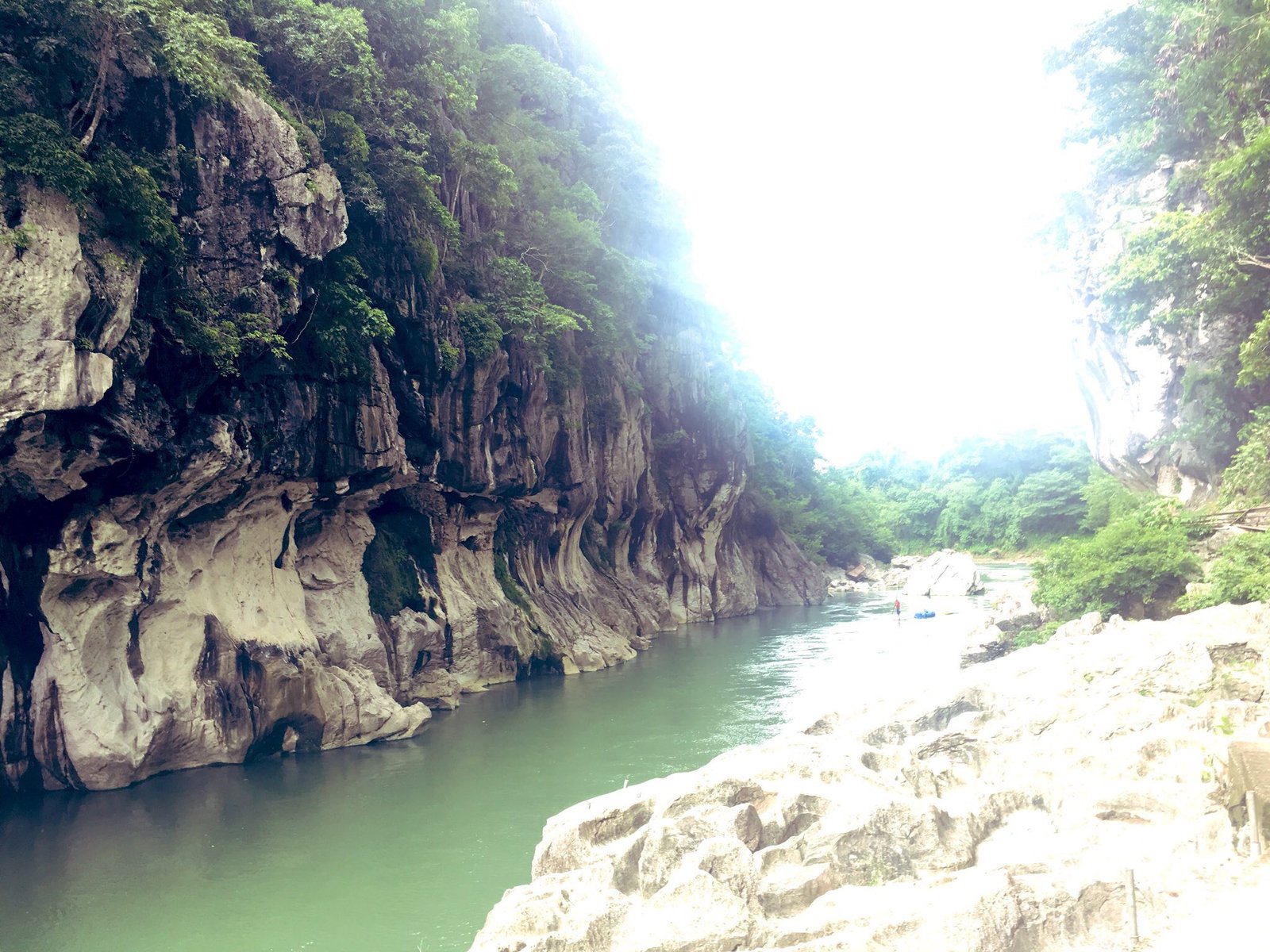
Minalungao is the park most people come to Nueva Ecija specifically to see, and it earns the trip. The Sumacbao River cuts through the park between towering limestone cliffs, and the standard way to experience it is a bamboo raft ride along the crystal clear water, hemmed in on both sides by rock formations that make the whole scene feel more like Palawan than Central Luzon. Rafts are simple and steered by a local boatman, so no paddling experience is required, just a willingness to get a little wet.
Beyond the raft ride, Minalungao has genuine hiking trails winding through dense forest to viewpoints overlooking the gorge, and the park is home to a resident troop of monkeys that visitors regularly spot along the trails and near the riverbanks, adding an easy bit of wildlife watching to the trip. Bird watchers will find the surrounding forest worth a slower look too. Bring water shoes or sandals you do not mind getting wet, since much of the park experience happens at or in the water.
The gorge narrows and widens as the raft moves downstream, and boatmen who have worked the river for years will point out the best swimming spots along the way, usually calmer pockets tucked against the limestone walls where the current eases up. Plan for roughly an hour on the water for the standard route, longer if you stop to swim or explore any of the smaller caves visible from the river.
Pantabangan Dam and Lake: The Reservoir That Feels Like a Sea
Pantabangan Dam stands 107 meters tall, among the tallest in the Philippines, and holds back a reservoir covering roughly 12,000 hectares, which in practice means when you arrive at the shoreline it genuinely looks and feels like an inland sea rather than a lake. The surrounding Pantabangan mountains give the whole area a dramatic backdrop that most visitors do not expect from a province known primarily for flat rice country.
The lake itself is stocked with tilapia, carp and catfish, making fishing a popular activity for both locals and visitors, and kayaks, canoes and paddle boats are available for rent if you want to get out on the water rather than just admire it from the shore. Several vantage points around the dam offer panoramic views worth the stop even if you are not planning to get on the water at all. The dry season, from November through April, is the best window to visit, both for weather and for water levels that make boating and fishing more reliable.
Minalungao gets genuinely busy on weekends and during the summer months, when day tour groups from Manila and nearby provinces arrive in larger numbers, so a weekday visit or an early weekend start noticeably improves the experience, both for the raft queue and for having the swimming spots along the river mostly to yourself.
Gabaldon Falls: A Waterfall Inside a Working Agricultural Estate
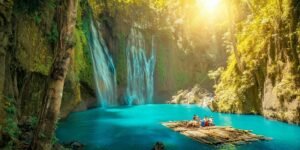
Gabaldon Falls sits within the roughly 200 hectare Sabani Estate Agricultural College grounds in Gabaldon town, an unusual setting that makes the falls feel more like a discovery than a marketed attraction. The falls themselves are modest in height, around ten feet, but the setting, huge surrounding rock formations and consistently cold, rippling water, makes it a worthwhile stop if you are already routing through Gabaldon. Nearby Mt. Sawi adds a hiking option for travelers who want to pair the falls with a proper trek, and Silangan and Deesap Falls in neighboring Bongabon town round out the area’s waterfall options if you have an extra day to explore.
The Philippine Carabao Center: Nueva Ecija’s Most Unexpected Stop
The Philippine Carabao Center in the Science City of Muñoz is a genuinely distinctive stop, a research facility dedicated to conserving and improving the Philippine carabao, the domesticated water buffalo breed that has powered Filipino agriculture for generations. Visitors can see how the breed is bred and studied and learn about the dairy products, including the carabao milk that Nueva Ecija is genuinely known for, that come out of the research work here. It is not a conventional tourist attraction in the theme park sense, but for anyone curious about Filipino agricultural heritage, or traveling with kids who would enjoy seeing carabaos up close, it is a memorable and easy add on.
For a more hands on version of the same theme, Myriad Farms in Guimba offers organic farming demonstrations and the chance to actually ride a carabao, a genuinely popular activity with younger visitors and a good complement to the more research focused Carabao Center visit in Muñoz.
A Revolution Era Heritage Trail
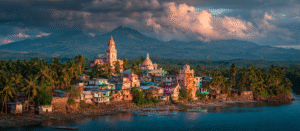
Nueva Ecija played a real role in the Philippine revolution and the Philippine-American War that followed, and several towns preserve that history in ways worth a detour if you have any interest in the period. The Trial House, owned by revolutionary general Manuel Tinio and built in the early Commonwealth period, still holds ornately designed turn of the century furniture and gives a genuine sense of how a provincial revolutionary leader actually lived. Gapan, home to the first Augustinian mission in lowland Nueva Ecija, founded back in 1595, has a Roman Catholic church built between 1856 and 1872 in a distinctive Byzantine style that stands out from the more typical Spanish colonial churches found elsewhere in Luzon. In San Isidro, the Grand Sedeco house, frequented by General Emilio Aguinaldo himself, marks the town as a genuine cradle of Filipino revolutionary history; it was here that American general Frederick Funston planned the operation that ultimately led to Aguinaldo’s capture during the Philippine-American War.
None of these sites are heavily marketed or set up for mass tourism, which is part of the appeal if you enjoy history without the gift shop, but it also means doing a little homework or asking locally about opening hours before you build a day around them.
Family Friendly Farm Stops
If you are traveling with kids, the 250 hectare PMP Man-made Paradise Farm Resort in General Tinio town rounds out a Nueva Ecija itinerary nicely, with horseback riding, fruit and vegetable picking, tree planting activities and even sheep herding on offer. It is the kind of stop that works well as a half day break between the more nature focused destinations like Minalungao and Pantabangan, giving younger travelers a hands on activity rather than another scenic viewpoint.
Sample Itinerary: A Realistic Two Day Trip
Day one, head straight for Minalungao and Pantabangan, both roughly in the same direction out of Cabanatuan. Start early at Minalungao for the bamboo raft ride and a short hike while the morning light is best for photos, grab lunch nearby, then continue on to Pantabangan Dam for the afternoon, either renting a kayak or simply taking in the views from one of the vantage points before heading back to Cabanatuan for the night.
Day two, work through the heritage trail and the agricultural side of the province. Start at the Philippine Carabao Center in Muñoz, then continue to Gapan to see the Byzantine style church, and if time allows, make the detour to San Isidro for the Grand Sedeco house. If you are traveling with kids or simply want a lighter, more hands on afternoon, swap the heritage towns for Myriad Farms in Guimba or the PMP Man-made Paradise Farm Resort in General Tinio instead. Either way, save room in the day for batutay and garlic rice before you head out, since Cabanatuan does breakfast for dinner just as well as it does it in the morning.
With a third day, Gabaldon Falls and Mt. Sawi make a worthwhile addition, though Gabaldon sits further from Cabanatuan than the other stops, so factor in the extra travel time if you are working with a tight schedule.
What to Eat in Nueva Ecija
Carabao milk genuinely defines a good part of Nueva Ecija’s food identity, particularly from Talavera, Cabiao and Muñoz, the same towns tied to the Carabao Center’s research work. Pastillas de leche, a sweet milk candy traditionally made from fresh carabao milk, is the pasalubong most visitors bring home, sold in small shops throughout the province and easy to find in Cabanatuan itself. Batutay, a distinctly sweet longganisa native to Cabanatuan, is the local breakfast staple and another popular pasalubong item; pair it with garlic rice and a fried egg for a genuinely local Nueva Ecija breakfast before heading out for the day.
PhilRice: The Institute Behind the Rice Granary Title
Nueva Ecija earns its Rice Granary of the Philippines title in large part because the Philippine Rice Research Institute, known simply as PhilRice, is headquartered in the Science City of Muñoz, the same city that hosts the Carabao Center. PhilRice runs the country’s primary rice research program, and its grounds include demonstration fields where visitors can see different rice varieties and farming techniques up close, a genuinely interesting stop for anyone who wants to understand why this particular province became the country’s agricultural heartland rather than just seeing it as flat green scenery from a bus window. Combined with the Carabao Center, Muñoz makes a strong case for being the most quietly educational stop in the entire province, and the two sit close enough together to visit both in a single morning.
Getting to Nueva Ecija from Manila
Cabanatuan City, the province’s main hub and the most practical base for exploring the rest of Nueva Ecija, is roughly three and a half to five hours from Manila by bus depending on traffic, with Five Star Bus and Cisco Bus both running the route regularly, departing as early as 4am and as late as 7pm. One way fares run around 209 PHP. Buses arrive at Cabanatuan’s central bus terminal on the outskirts of downtown, from where tricycles and local vans handle onward trips to Minalungao, Pantabangan and the surrounding towns. Traffic leaving Metro Manila on weekday mornings can meaningfully extend the trip, so an early or midday departure is generally more reliable than a late afternoon one.
If you are self driving, the province is accessible via NLEX and the Central Luzon Link Expressway, and having your own vehicle genuinely helps here more than in most Philippine destinations, since Minalungao, Pantabangan, Gabaldon and the heritage towns are spread across a fairly wide area without much direct public transport connecting them to each other.
Practical Things Worth Knowing Before You Go
Nueva Ecija is a genuinely spread out province, and the biggest planning mistake is trying to cover Minalungao, Pantabangan and the heritage towns in a single rushed day. Two to three days gives you a realistic pace, with one day for Minalungao and Pantabangan together, since they are roughly in the same direction from Cabanatuan, and a separate day for the heritage trail and Carabao Center visit, which sit closer to the city itself.
The dry season, November through April, is the more reliable window for both the river rafting at Minalungao and the boating and fishing at Pantabangan, since water levels and weather are both more consistent. If you plan to raft at Minalungao, expect to get genuinely wet and dress accordingly; a change of clothes for the ride back is worth packing.
Cash is the practical currency for entrance fees, raft rentals and food stalls at both Minalungao and Pantabangan, and while Cabanatuan itself has ATMs and card acceptance at larger establishments, the more rural attractions generally do not.
Where to Stay
Cabanatuan City is the practical base for most visitors, with the widest range of hotels and inns and the easiest access to Minalungao, Pantabangan and the heritage towns alike. Budget and mid range hotels cluster around the city center and along the main highway, and booking ahead is rarely necessary outside of major local festivals. If you want to be closer to Pantabangan Dam itself for an early start on the water, a handful of smaller lodges operate near the reservoir, though the selection and comfort level is more limited than what you will find in Cabanatuan proper.
Cabanatuan itself is worth a slower afternoon beyond just being a transit hub. The city center has a genuine, unhurried provincial feel, with public markets worth browsing for local produce and a growing number of cafes and restaurants catering to the university crowd from Nueva Ecija University of Science and Technology, giving the city more going on after dark than its reputation as a simple jump off point suggests.
More Nueva Ecija Guides
Pair this with the rest of what you need to plan the trip.
- Nueva Ecija Travel Guide: Minalungao, Pantabangan and Costs
- Top Things to Do in Tarlac, the neighboring province if you are road-tripping through Central Luzon
- Top Things to Do in Baler, the natural next stop if you are continuing over the Pantabangan to Baler road
Plan Your Trip to Nueva Ecija
Ready to book? Compare hotels and tours in Nueva Ecija below.
- Search Hotels in Nueva Ecija on Booking.com
- Compare Hotels in Nueva Ecija on Agoda
- Find Tours and Activities in Nueva Ecija on Klook
- Book Tours in Nueva Ecija on GetYourGuide
Booking through these links may earn us a small commission at no extra cost to you.
Quick FAQ
How many days do I need for Nueva Ecija?
Two to three days covers the main highlights at a reasonable pace: one day for Minalungao and Pantabangan, and a separate day for the heritage towns and the Carabao Center.
Is Minalungao National Park good for kids?
Yes. The bamboo raft ride requires no special skill and is generally considered family friendly, though as with any water activity, keep a close eye on younger children.
Do I need my own vehicle to see Nueva Ecija properly?
It genuinely helps. The province’s main attractions are spread across a wide area with limited direct public transport between them, so a private vehicle or arranged tricycle and van transfers make the trip significantly smoother than relying on public transport alone.
What is the best time of year to visit?
The dry season, November through April, offers the most reliable conditions for river rafting at Minalungao and boating at Pantabangan Dam.
What should I bring home from Nueva Ecija?
Pastillas de leche and batutay longganisa are the two most popular local specialties to bring back, both widely available in Cabanatuan and easy to pack for the trip home.