
The Queen City’s Real Rhythm
Most people picture the Philippines and see serene beaches or the chaotic energy of Manila. But what if you could have both? More than 80% of the country’s domestic shipping fleet is headquartered in Cebu, a statistic that points to its true identity: a powerful economic and logistical hub that just happens to be surrounded by world-class islands. Digital nomads come here looking for a base, a place that can support a work life while satisfying a deep craving for adventure. What most people discover while living in Cebu as a digital nomad is a city with a rhythm all its own, a place that rewards patience and curiosity in equal measure.
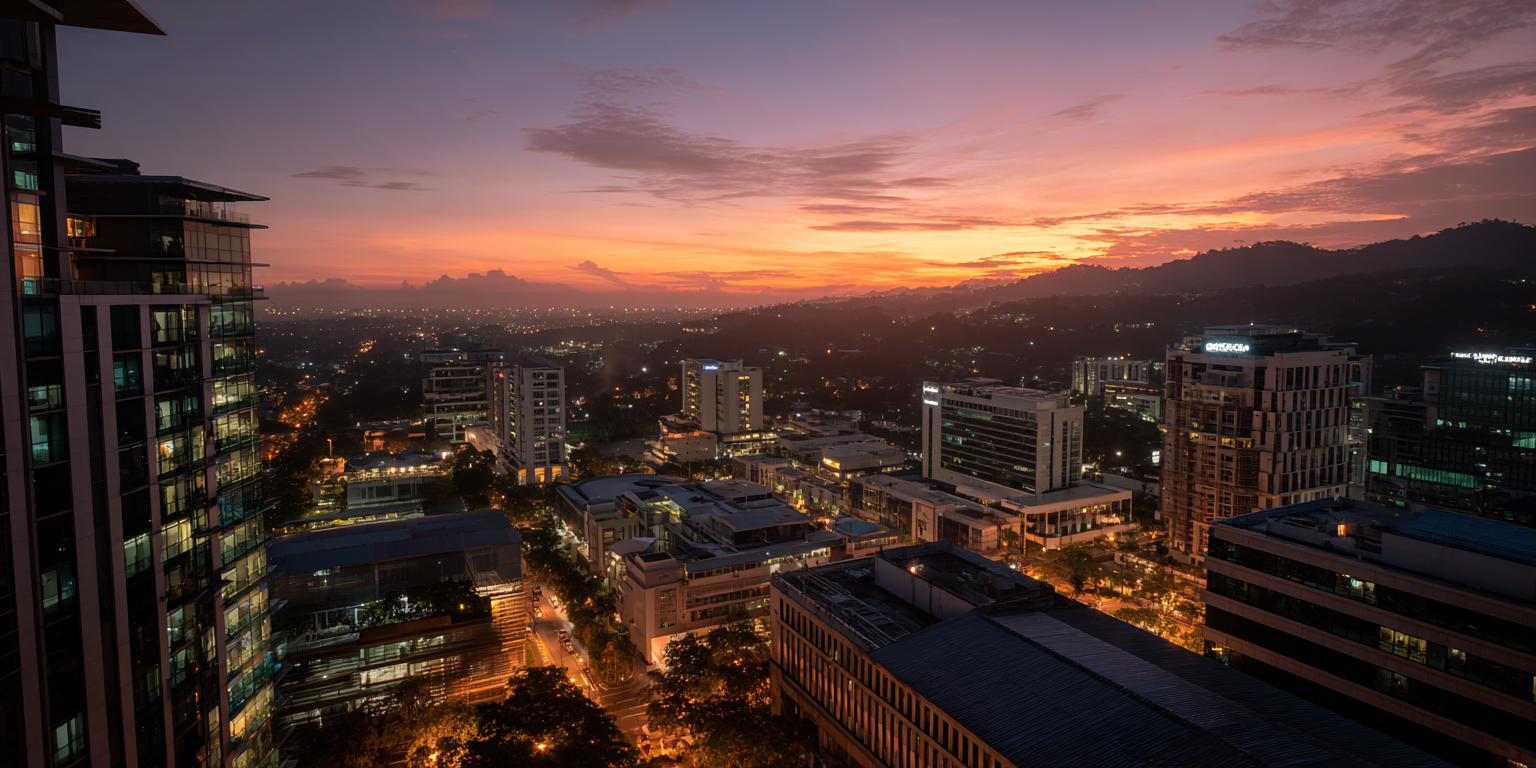
Most journeys start at the Mactan-Cebu International Airport (CEB), an architectural beauty that feels more like a resort than a terminal. It’s a gentle introduction to the Philippines. A pre-booked Grab car (the Southeast Asian ride-hailing equivalent of Uber) costs around 400 PHP to a temporary home, often a one-bedroom Airbnb in the Cebu IT Park. This initial step was strategic. The IT Park is a designated Special Economic Zone, a modern enclave of glass towers, condos, and 24/7 restaurants. It’s a bubble, for sure, but an incredibly convenient one for settling in. The Wi-Fi is stable, cafes with outlets are plentiful, and everything you need is walkable, which is a blessing many come to appreciate deeply.
Setting Up a Life Between Canyons and Cafes
After a week or so, the task is usually to find a more permanent base. There are two main avenues: co-working spaces and long-term apartments. Even with decent condo internet, plenty of nomads thrive on the energy of a shared workspace. The Company Cebu in the IT Park offers hot desks for around 6,000 PHP a month. The atmosphere was professional, quiet, and filled with a mix of local freelancers and international remote workers. Local coffee shops like Bo’s Coffee, a Cebuano-born chain that champions Philippine-grown beans, have their own charm. A large Americano for around 140 PHP can buy a few productive hours.
Finding an apartment outside the Airbnb ecosystem required some local know-how. Facebook Marketplace and dedicated local groups are where the best deals are found. A one-bedroom, furnished unit in Lahug, a neighborhood bordering the IT Park, runs around 22,000 PHP per month, plus utilities. It’s a popular choice for the balance it offers: a quieter, more residential feel while still being a 10-minute walk from work-friendly cafes. The real joy of living in Cebu as a digital nomad Philippines style is how weekends can completely erase the work week. One Saturday might mean a bus heading south to Moalboal to snorkel the famous sardine run. The next could mean exploring the misty mountains of Busay, visiting the Temple of Leah and enjoying panoramic city views.
Beyond the Wi-Fi: Finding a Connection
True cultural immersion in the Philippines happens in the small, everyday moments. It’s in learning a few words of the local language, Cebuano (or Bisaya). A simple “Salamat kaayo” (Thank you very much) or “Maayong buntag” (Good morning) is always met with a wide, genuine smile. It’s worth making a habit of eating at the local carenderias, small family-run eateries, where a full meal of rice, a vegetable dish, and some grilled pork can cost as little as 150 PHP. It’s not just about the food; it’s a chance to hear the local dialect, watch families interact, and feel the pulse of the neighborhood.
One of the most memorable experiences on offer is a visit to the Carbon Market, the oldest and largest farmer’s market in the city. It’s a beautiful chaos of vendors selling everything from fresh seafood and exotic fruits to handmade baskets. It’s gritty, loud, and utterly authentic. This is where you see the city’s heart, unfiltered. Visiting the Basilica Minore del Santo Niño de Cebú is a good way to understand the deep-rooted faith of Cebuanos. Seeing the devotion of the people there provides a profound context that no travel guide could fully capture.
The Highs and the Honest Lows
Let’s be clear: living in Cebu as a digital nomad is not a flawless vacation. The biggest challenge is, unsurprisingly, infrastructure. Even with fiber internet at home, power outages (called ‘brownouts’) can happen. A power bank for the laptop and a Globe mobile data plan as a backup to home internet solve most of that problem. The second challenge is the traffic. Getting across Cebu City during rush hour can be an exercise in extreme patience. This is why motorbike taxis like Angkas and JoyRide are not just convenient; they are essential. They cut through traffic and are significantly cheaper than cars.
But the highlights far outweigh the hurdles. The sheer accessibility of adventure is Cebu’s superpower. You can be stressed over a deadline in a high-rise office at 10 AM and be on a boat to a white-sand island by 2 PM. The cost of living allows for a quality of life that would be difficult to achieve back home. Most importantly, it’s the warmth of the people. The local culture is incredibly welcoming, and there’s a strong, supportive community of both locals and fellow nomads if you put in the effort to find them.
A Strategist’s Guide to Cebu
- Visas: Many nationalities get a 30-day visa-free entry. Extending is a straightforward, if bureaucratic, process at the Bureau of Immigration office in Mandaue City. Plan for a half-day affair.
- Best Time to Settle: Arrive during the dry season, from December to May. January is electric with the Sinulog Festival, but also crowded and expensive. The shoulder months of November or June offer a good balance.
- Money: While cards are accepted in malls and hotels, the Philippines is still a cash-heavy society. Always have enough PHP for taxis, small shops, and market trips. ATMs are widespread, but using a service like Wise can reduce conversion fees.
- Getting Around: Download Grab (for cars and food delivery) and Angkas/JoyRide (for motorbike taxis) immediately. For a true local experience, try a jeepney, just be sure to ask a local for the correct route.
Time in Cebu tends to be a lesson in contrasts: modern efficiency and island-time patience, urban grit and pristine nature, deep-rooted tradition and a forward-looking mindset. It’s a city that doesn’t just offer a place to plug in your laptop; it invites you into its complex, vibrant, and deeply human story. Living in Cebu as a digital nomad isn’t about finding a perfect paradise. It’s about finding a rhythm that works for you, a place where the reward for navigating the challenges is a richer, more profound connection to the world around you.
More Philippines Destinations to Explore
Worth adding to a longer Philippines trip:
- Volunteering with an NGO in Palawan: How It Works and What to Know
- Ziplining in Dahilayan: Lines, Prices and Getting There
- Top Things to Do in Donsol
What a Month in Cebu Actually Costs
Putting real numbers on it, for one person living reasonably rather than frugally.
A studio condo in the IT Park or Lahug area runs roughly 18,000 to 30,000 PHP a month on a short lease, less on six months or more. Cheaper areas like Banilad or Mabolo sit around 12,000 to 20,000 PHP. Utilities add roughly 3,000 to 6,000 PHP depending on how hard you run the air conditioning.
Coworking memberships run around 4,000 to 8,000 PHP a month for a hot desk. Food is the flexible part: eating local keeps you near 10,000 to 15,000 PHP a month, while eating mostly in restaurants and cafes pushes that past 25,000 PHP.
Add transport at roughly 3,000 to 6,000 PHP with Grab, a gym at around 1,500 to 3,000 PHP, and a mobile data plan at roughly 500 to 1,000 PHP.
Realistic total: around 45,000 to 70,000 PHP a month for a comfortable single person. It is cheaper than Manila and noticeably cheaper than Bangkok or Ho Chi Minh City for equivalent quality.
Internet Reality Check
This is the thing that decides whether Cebu works for you, and the honest answer is that it is adequate rather than excellent.
Fibre in the IT Park and Cebu Business Park areas is genuinely good, commonly 100 Mbps or better, and most newer condos have it. Outside those zones it degrades quickly.
Outages happen. Typhoon season brings multi day interruptions, and power cuts take the router with them. Anyone doing live client calls needs a backup: a mobile data plan with tethering, and ideally a coworking space you can walk to.
Mobile data is cheap and reasonably fast, and a local SIM with a generous data package costs very little. Get one on arrival rather than roaming.
Visas and Staying Legally
Most nationalities get 30 days visa free on arrival, extendable at a Bureau of Immigration office. Extensions are routine and can take you up to 36 months in total, though the paperwork and fees mount as you go.
The first extension typically costs roughly 3,000 to 4,000 PHP and adds 29 days. Longer extensions become available after that. Budget for an ACR I-Card once you pass around 59 days.
The Cebu immigration office is generally less chaotic than Manila’s. Go early and bring photocopies of everything.
The Philippines has no dedicated digital nomad visa at the time of writing, so most long stayers run on tourist extensions. Check the current rules before relying on any of this, since immigration policy does change.
Quick FAQ
How much does it cost to live in Cebu as a digital nomad? Roughly 45,000 to 70,000 PHP a month for a comfortable single person, covering a studio condo, utilities, coworking, food and transport. Living more frugally brings that under 35,000 PHP.
Is the internet good enough to work from Cebu? In the IT Park and Cebu Business Park areas, generally yes, with fibre commonly at 100 Mbps or better. Elsewhere it is patchier. Keep a mobile data backup, because outages and power cuts do happen.
Which area of Cebu should digital nomads live in? IT Park and Lahug for the best internet, coworking and cafes. Banilad and Mabolo for lower rent within reach. Mactan if you want to be near the beach and are willing to accept a commute.
What visa do you need to work remotely from Cebu? There is no dedicated digital nomad visa. Most people use the 30 day visa free entry and extend at the Bureau of Immigration, which can take you up to 36 months in total. Verify the current rules before travelling.
Is Cebu a good base compared with Manila? For most remote workers, yes. Cebu is cheaper, far easier to get around, and puts you within a couple of hours of Moalboal, Bantayan and the south coast. Manila has more of everything but costs more in time and money.