Malapascua is a tiny island off the northern tip of Cebu, barely 2.5 kilometers long, and it punches so far above its weight that divers fly in from all over the world for one specific reason: thresher sharks. But there’s genuinely more going on here than the diving crowd lets on, and if you’re wondering what to do in Malapascua beyond strapping on a tank, this guide covers the full spread.
A quick note before we get into it: Malapascua isn’t the easiest place to reach. You’ll bus or van it up to New Maya Port at the top of Cebu, then hop a small outrigger boat across for about 30 minutes. Boats run roughly every 30 to 60 minutes between 6:30 AM and 4:30 PM for around PHP 200, and if the tide’s out you might wade the last stretch or pay a rowboat operator a small fee to get you to dry sand. It’s a bit of a mission, but that’s exactly why the island has stayed low key, with none of the high rise development you’ll find in busier parts of the country.
Most people plan a couple of nights here as part of a longer Cebu loop, and honestly that’s about right. It’s small enough to see the highlights without rushing, but there’s enough variety between the diving, the beaches, and the quieter corners of the interior that a single day trip would leave you shortchanged.
Dive with thresher sharks at Monad Shoal
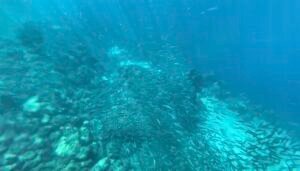
This is the reason Malapascua shows up on every serious diver’s list. Monad Shoal is one of the only places on earth where thresher sharks reliably show up at a cleaning station you can actually dive to, and they tend to appear in the early morning, often as early as 5 or 6 AM, when they let small wrasse fish clean parasites off their skin. Most dive shops run a dedicated thresher shark trip, and prices generally run around USD 35 to 45 for the dive plus gear rental if you need it. Visibility and shark sightings vary with the season, but dive masters here are honest about your odds on any given morning rather than overselling it.
Explore Gato Island and the shipwrecks
A short boat ride from Malapascua, Gato Island is a marine sanctuary known for sea snakes, whitetip reef sharks resting in shallow caves, and a swim-through tunnel that connects two sides of the island underwater. Nearby, wreck divers can explore the Dona Marilyn, a passenger ferry that sank in a typhoon decades ago and now sits as an artificial reef crawling with soft coral and schooling fish. Both sites are usually bundled into two-tank dive packages from local shops, so ask what’s included before you book.
Relax on Bounty Beach
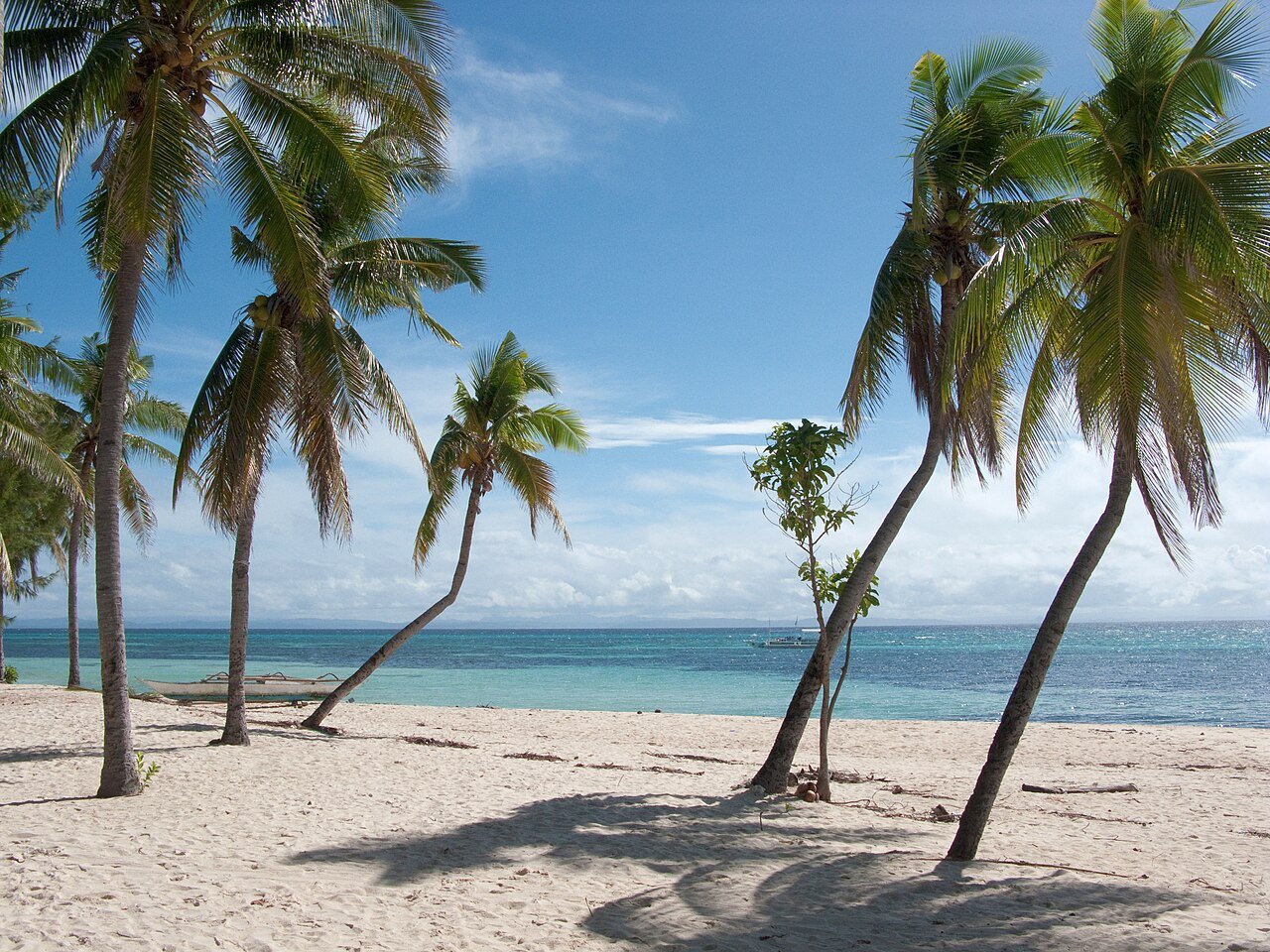
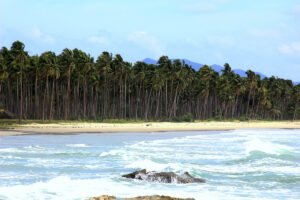
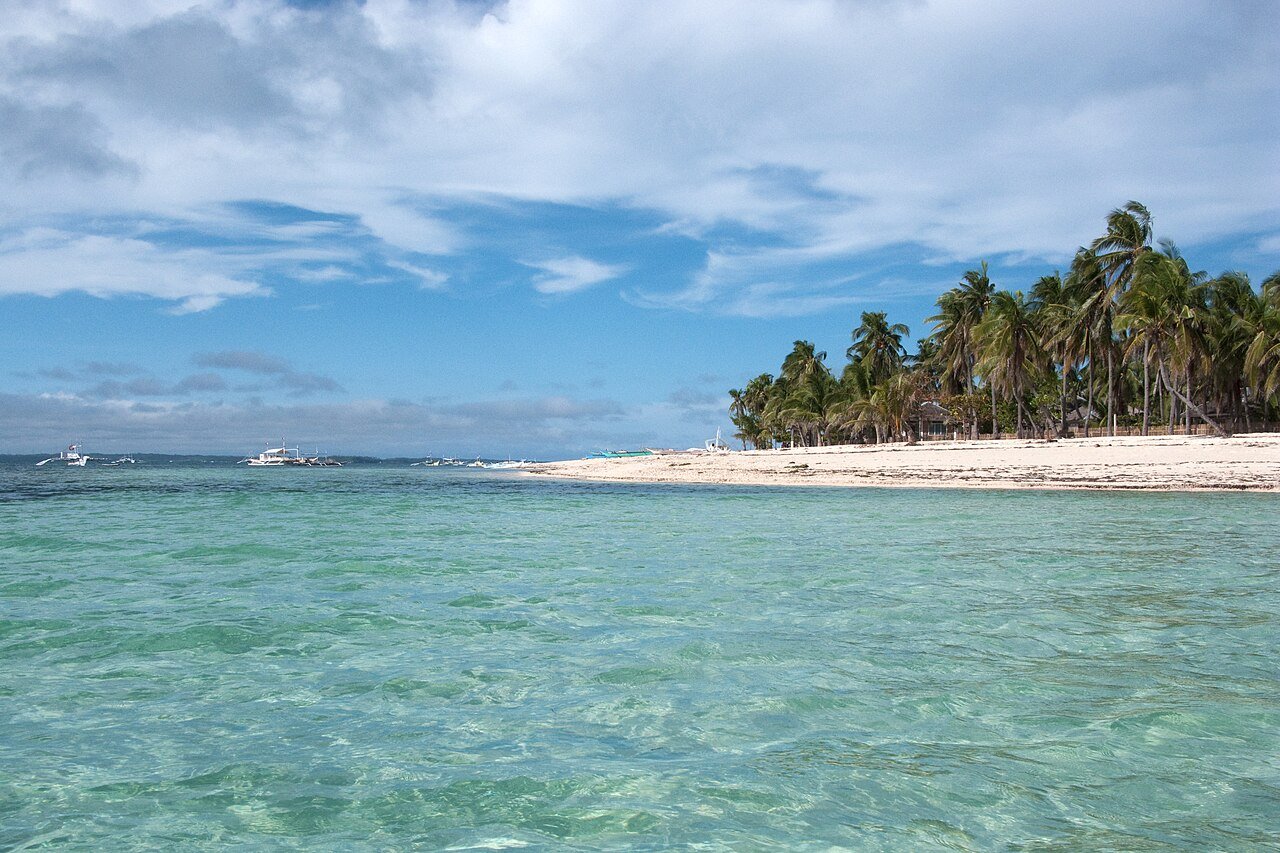
Bounty Beach is the island’s main strip, with soft white sand and a string of low-rise beach bars and restaurants right on the water. It gets lively at sunset when the beach bars light up their fire pits, but it never feels overrun the way some bigger Philippine beach towns do. Grab a San Miguel, watch the bangka boats bob in the shallows, and don’t rush it. If you want something quieter, walk north toward White Sand Beach, which sees a fraction of the foot traffic and is a nice spot for an early morning swim before the day trippers arrive.
Jump off Lapus Lapus cliffs
On the island’s northwestern tip, a small cluster of rock formations makes up the Lapus Lapus cliff jumping spot, with jump points ranging from a cautious 5 meters up to a proper 15 meter leap for the adrenaline seekers. Local kids often hang around to show visitors the safe entry points, and it’s customary to tip them a bit for the guidance. Go on a calm day since the jumps depend entirely on clear water below and decent visibility to spot submerged rocks.
Go island hopping to nearby snorkel spots
Beyond the dive sites, a half day island hopping tour typically stops at the Japanese Shipwreck for shallow snorkeling, Coral Garden for reef life, and a couple of sandbars depending on the tide. These trips run around PHP 1,000 to 1,500 per person including snorkel gear, and they’re a good option if you’re not certified to dive but still want to see what’s under the water here. Boats leave mid-morning and are easy to arrange through any beachfront operator or your accommodation’s front desk.
Catch the sunset from Logon Beach
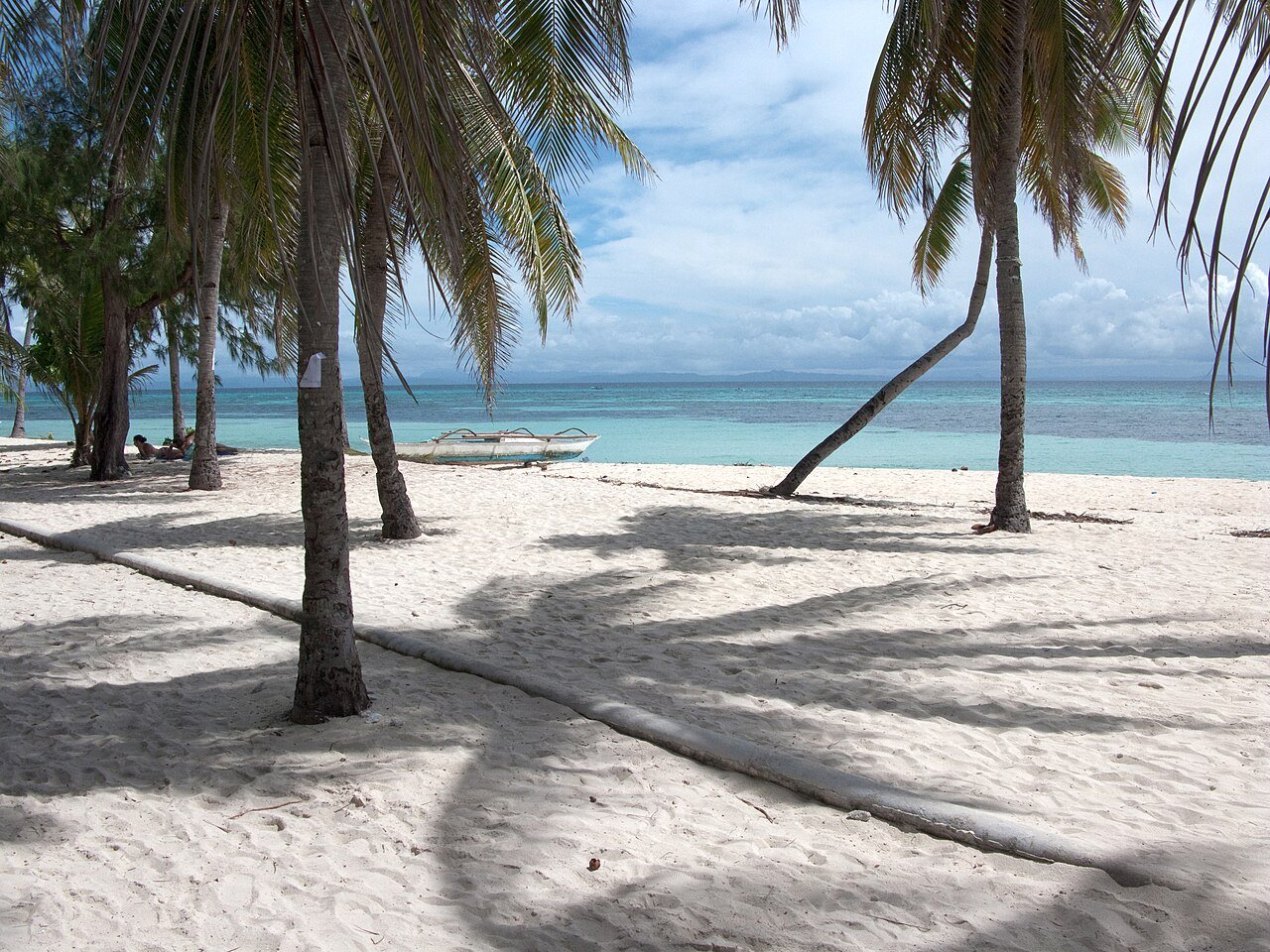
Logon Beach faces west and turns out some genuinely spectacular sunsets, especially from December through April when the skies tend to stay clearer. It’s a shorter, quieter stretch than Bounty Beach, so it’s a good pick if you want a calmer spot to watch the light change without a crowd. A handful of small eateries nearby serve fresh grilled seafood as the sun goes down, which makes for an easy, unfussy evening.
Explore the island’s interior by scooter
Rent a scooter or arrange a habal-habal driver for a couple of hours and you’ll find Malapascua has more texture than its beaches suggest: small fishing villages, a modest chapel, patches of dry forest, and viewpoints looking out over the channel toward mainland Cebu. It’s a small island, so you can circle most of it in half a day, but it’s worth doing slowly rather than rushing through.
Eat well without overspending
Food on Malapascua leans heavily on the day’s catch. Grilled fish, squid, and prawns show up on nearly every beach bar menu, usually served with rice and a simple vinegar dip, and a full seafood meal rarely runs more than PHP 250 to 400 per person at the local spots along Bounty Beach. A few resorts run their own restaurants with pricier Western style menus if you’re craving pizza or pasta after a few days of fish, and there’s a small cluster of budget carinderias just inland from the beach where a filling meal costs under PHP 150. Worth trying at least once is the local halo halo from one of the beachfront stalls, a good way to cool off after a midday dive.
Where this fits with the rest of northern Cebu
If Malapascua is one stop on a bigger northern Cebu loop, it pairs naturally with Bantayan Island, another laid back beach escape a few hours away by van and boat, or with a stop in Cebu City itself if you’re flying in and out. Some travelers also tack on Kalanggaman Island for its famous sandbar, though that one’s easier to reach from the Leyte side.
When to visit and what it costs
Diving is possible year round, but visibility and calmer seas generally run from March through May and again in October through December. The habagat season from June through September can bring rougher crossings on the boat from Maya, so build in flexibility if you’re traveling then. Budget wise, a basic nipa hut room runs roughly PHP 800 to 1,500 a night, while nicer beachfront resorts start around PHP 3,000 and climb from there. Add diving costs on top if that’s your main reason for coming, since a few days of two-tank trips adds up quickly.
Quick FAQ
Is Malapascua worth visiting if I don’t dive? Yes. Bounty Beach, the cliff jumping at Lapus Lapus, island hopping to nearby snorkel spots, and the sunsets at Logon Beach all hold up fine without a dive certification.
How do you get to Malapascua from Cebu? Take a bus or van from Cebu City north to Maya Port, roughly a 3 to 4 hour ride, then a small outrigger boat across for about 30 minutes.
What’s the best time to see thresher sharks at Monad Shoal? Early morning dives, generally between 5 and 7 AM, give you the best odds, since that’s when the sharks visit the cleaning station.
How many days do you need in Malapascua? Two to three days is comfortable for a mix of diving, beach time, and island hopping, though dedicated divers often stay longer to fit in multiple thresher shark attempts.