Sagada has a way of staying in your head long after you have come back down from the mountains. The smell of pine on a cold morning, fog rolling low over Echo Valley, that first cup of Sagada brewed coffee at a cafe with a view that makes you forget your phone exists. Getting there, though, takes a bit of planning. Manila to Sagada is roughly 400 kilometers of highway and mountain curves, and if you get unlucky with traffic out of Manila, it can eat up more of your trip than you budgeted for.
The good news is there are more realistic ways to make this trip in 2026 than there used to be, and none of them require a helicopter or a small miracle. I have broken down every real option below: what it actually costs, how long it takes, and who it is really for.
Option 1: Direct Overnight Bus (Coda Lines)
This is the option most backpackers and first timers end up taking, mostly because it is the simplest. Coda Lines runs a direct route between Manila and Sagada by way of Banaue and Bontoc, with buses leaving in the evening, typically around 8pm, 9pm, 10pm, and 10:30pm from their terminal. The ride takes about 12 hours door to door, which sounds brutal until you realize you are sleeping through most of it and waking up in the mountains instead of losing a full day to travel.
There are two bus types: a Semi Deluxe (no onboard toilet) and a Super Deluxe (with one), and fares run roughly PHP 800 to 1,400 depending on which you book and how far ahead. Coda Lines only runs two trips a day, so seats sell out during weekends and holidays. Book at least a few days ahead through their website or a platform like Klook if you can.
The bus makes three or four stops along the way for food, bathroom breaks, and leg stretching, so it is not as grueling as a straight 12 hour haul might sound.
Option 2: Bus or Van to Baguio, Then Transfer
If you want a bit more control over your schedule, or you are already planning to stop in Baguio anyway, this route splits the trip into two manageable legs. Take a Victory Liner or Genesis bus from Manila to Baguio first (around 5 to 6 hours, roughly PHP 450 to 800 for a deluxe seat), then transfer to a Baguio to Sagada bus or van.
From Baguio, GL Lizardo Trans runs regular buses to Sagada, and the ride takes about 6 to 7 hours over winding mountain roads through Mountain Province. Shared vans (sometimes called GL vans or door to door vans) cover the same route a bit faster, in around 5 to 6 hours, for a slightly higher fare. All told, expect the Baguio to Sagada leg to run somewhere around PHP 250 to 450.
This option is a good middle ground if you want a night’s sleep in an actual bed in Baguio before tackling the mountain roads, rather than doing it all in one overnight haul.
Option 3: Private Van or Car Hire (Door to Door)
For groups, families, or anyone who just wants to skip the terminal chaos entirely, hiring a private van straight from Manila to Sagada is the most comfortable, if priciest, option. Tour operators and private drivers quote anywhere from PHP 12,000 to PHP 20,000 for the one way trip in a van that seats 10 to 15, which works out to a reasonable per person cost if you are traveling as a group of six or more.
The drive itself still takes 9 to 11 hours depending on traffic leaving Metro Manila and how many stops you make, but you control the pace entirely, and you can break the trip up in Baguio or Banaue if anyone needs a stretch.
Option 4: Joining a Guided Tour Package
Several tour operators, including Abraham Tours and a handful of smaller Manila based agencies, run multi day Sagada packages that include round trip transport, accommodation, and a guide for the caves and rice terraces. These typically start around PHP 6,000 to 9,000 per person for a 3 to 4 day trip, transport included.
This is worth considering if it is your first time in the Cordillera region and you would rather not figure out cave guides, terrace trails, and bus schedules on your own. It takes the planning stress off your plate entirely, at the cost of some flexibility.
What to Know Before You Book
A few practical notes that will save you a headache. First, there is no commercial airport near Sagada, and Baguio’s Loakan Airport does not run regular commercial flights, so flying partway does not actually save you much time once you factor in the drive from wherever you land. Second, the mountain roads through Halsema Highway (the route most buses and vans use north of Baguio) can get foggy and slow, especially from July through September, so build in buffer time if you have a flight to catch afterward. Third, bring something warm. Sagada sits at around 1,500 meters elevation and nights can dip into the low teens Celsius, which surprises a lot of visitors coming from Manila’s heat.
Which Option Should You Choose?
If your budget is tight and you do not mind an overnight bus, the direct Coda Lines trip is hard to beat. It is a single ticket, no transfers, and you wake up already there. If you would rather break the trip into two days and see Baguio properly, the transfer route through Baguio makes more sense, and it gives you a backup plan if one leg gets delayed. Groups and families traveling together tend to come out ahead with a private van, both in comfort and, once you split the cost, in price. And if this is your first Cordillera trip and you would rather not manage logistics at all, a guided package takes that worry off your hands.
Cost Comparison at a Glance
Direct overnight bus (Coda Lines): around PHP 800 to 1,400, about 12 hours.
Bus or van to Baguio, then transfer: around PHP 700 to 1,250 combined, about 11 to 13 hours with a break.
Private van or car hire: around PHP 12,000 to 20,000 per van (one way), about 9 to 11 hours.
Guided tour package: around PHP 6,000 to 9,000 per person for 3 to 4 days, transport and stay included.
What’s Waiting for You in Sagada
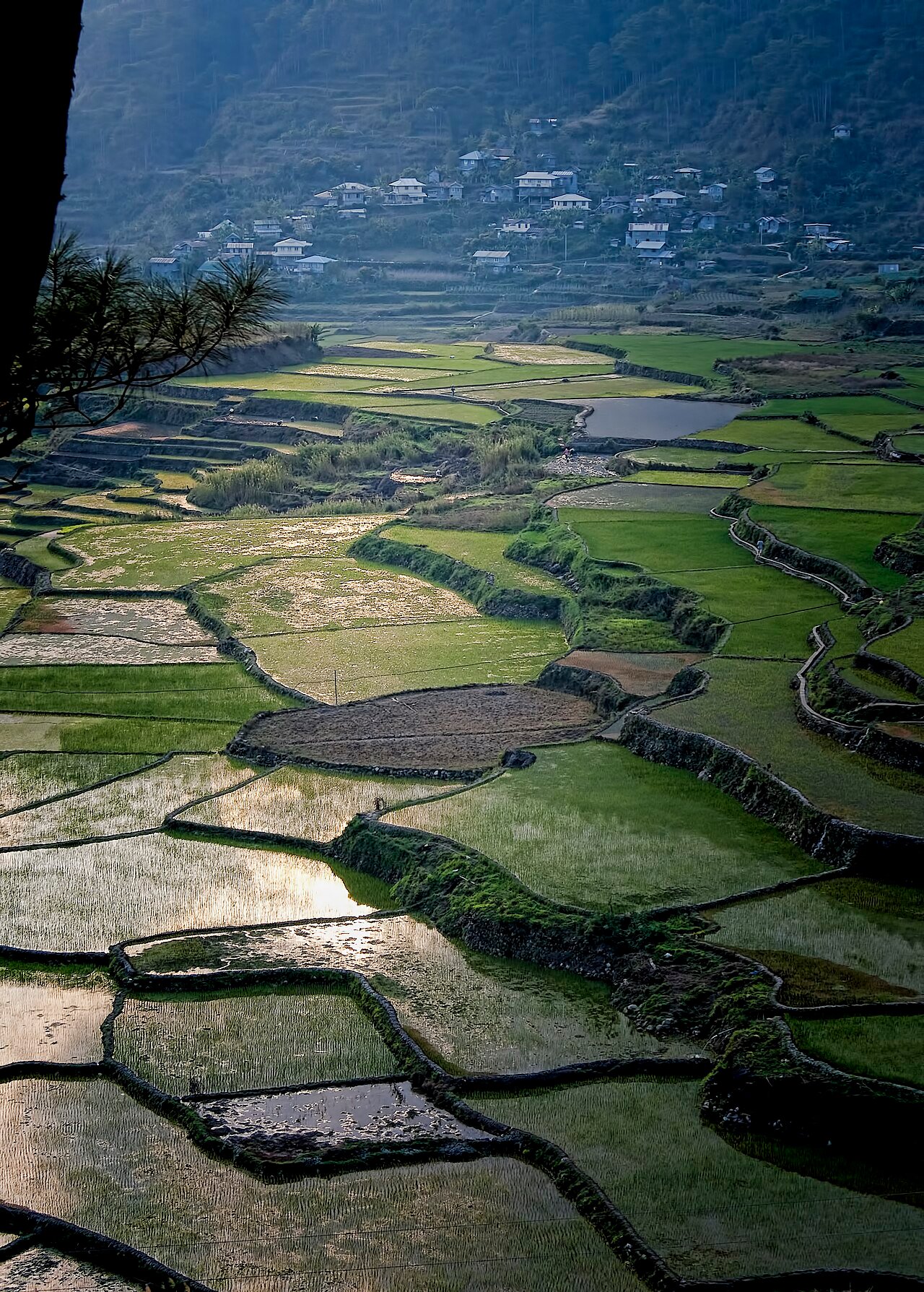
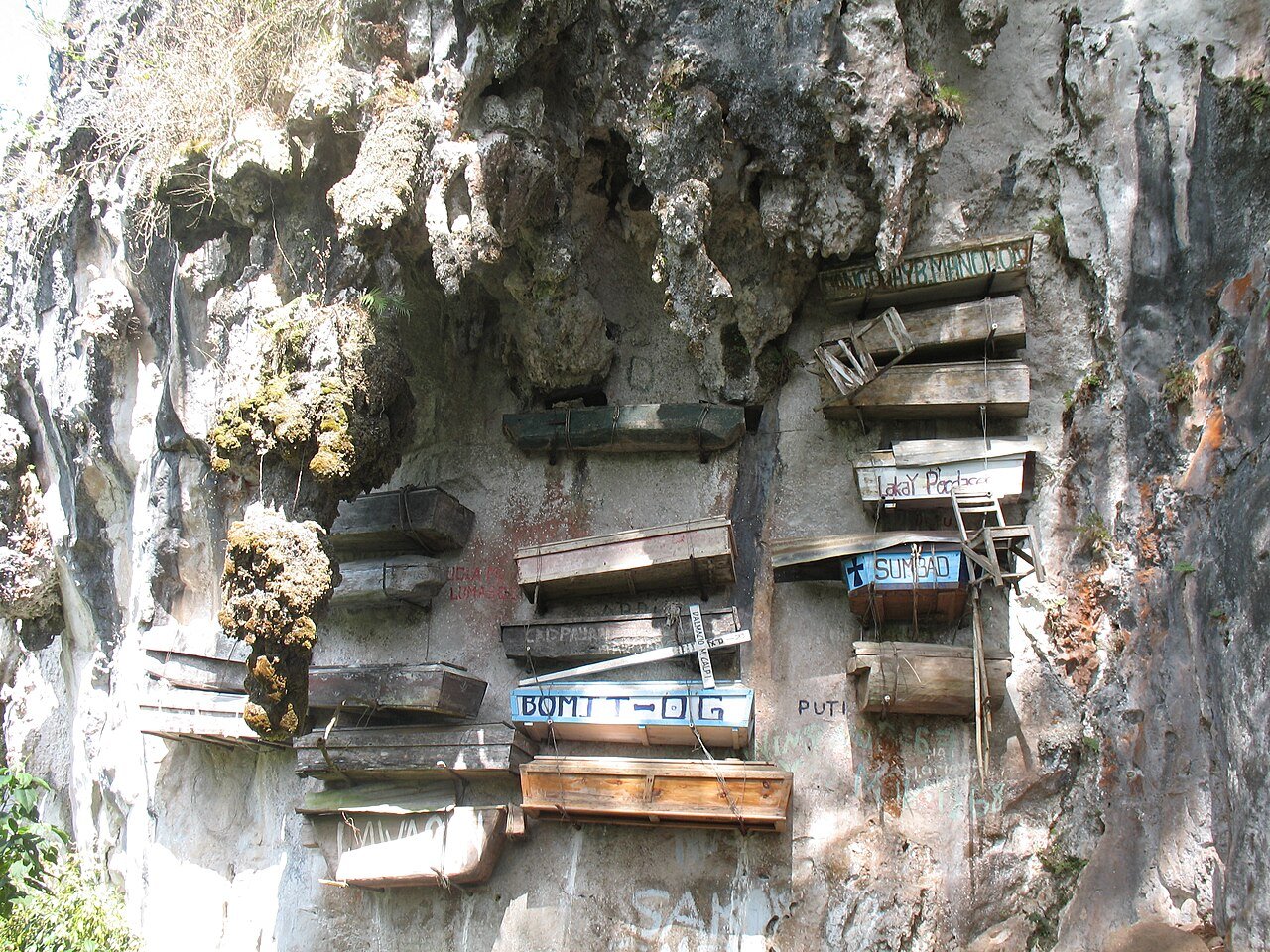
Once you arrive, the town rewards the effort. The hanging coffins, centuries old burial traditions where coffins are nailed to limestone cliff faces, are one of the most photographed sights in the region.
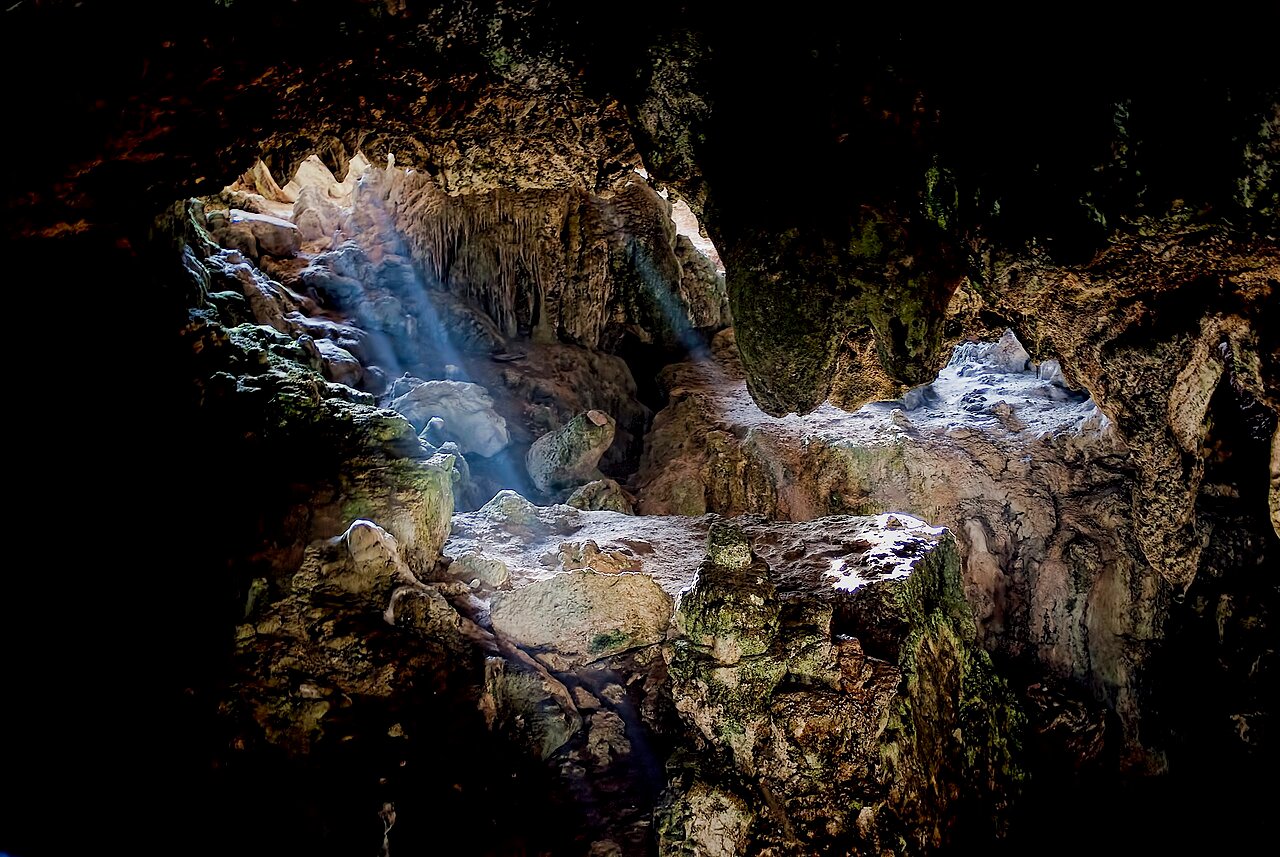
Cave connection tours through Sumaguing and Lumiang caves are another highlight, guided spelunking trips that wind through limestone chambers and underground pools. If you are coming from Ifugao and Banaue or planning to continue on to the rest of Mountain Province, Sagada fits naturally into a longer Cordillera loop.
More Manila Guides
Rounding out your Manila leg? These cover what to do in the city and the practical basics before you go.
More Ways to Reach Sagada
Coming from a different direction? Here is the other route.
Quick FAQ
How long does it take to get from Manila to Sagada? Around 9 to 13 hours depending on the route, with the direct overnight bus taking about 12 hours and a private van closer to 9 to 11 hours.
Is there a direct bus from Manila to Sagada? Yes, Coda Lines runs a direct overnight service via Banaue and Bontoc, with departures in the evening.
Can I fly closer to Sagada to save time? Not really. There is no regular commercial airport serving the immediate area, so overland travel is the standard way in.
What is the best time of year to make this trip? November through May tends to have clearer mountain roads and less fog on the Halsema Highway, making the ride smoother and the views better.