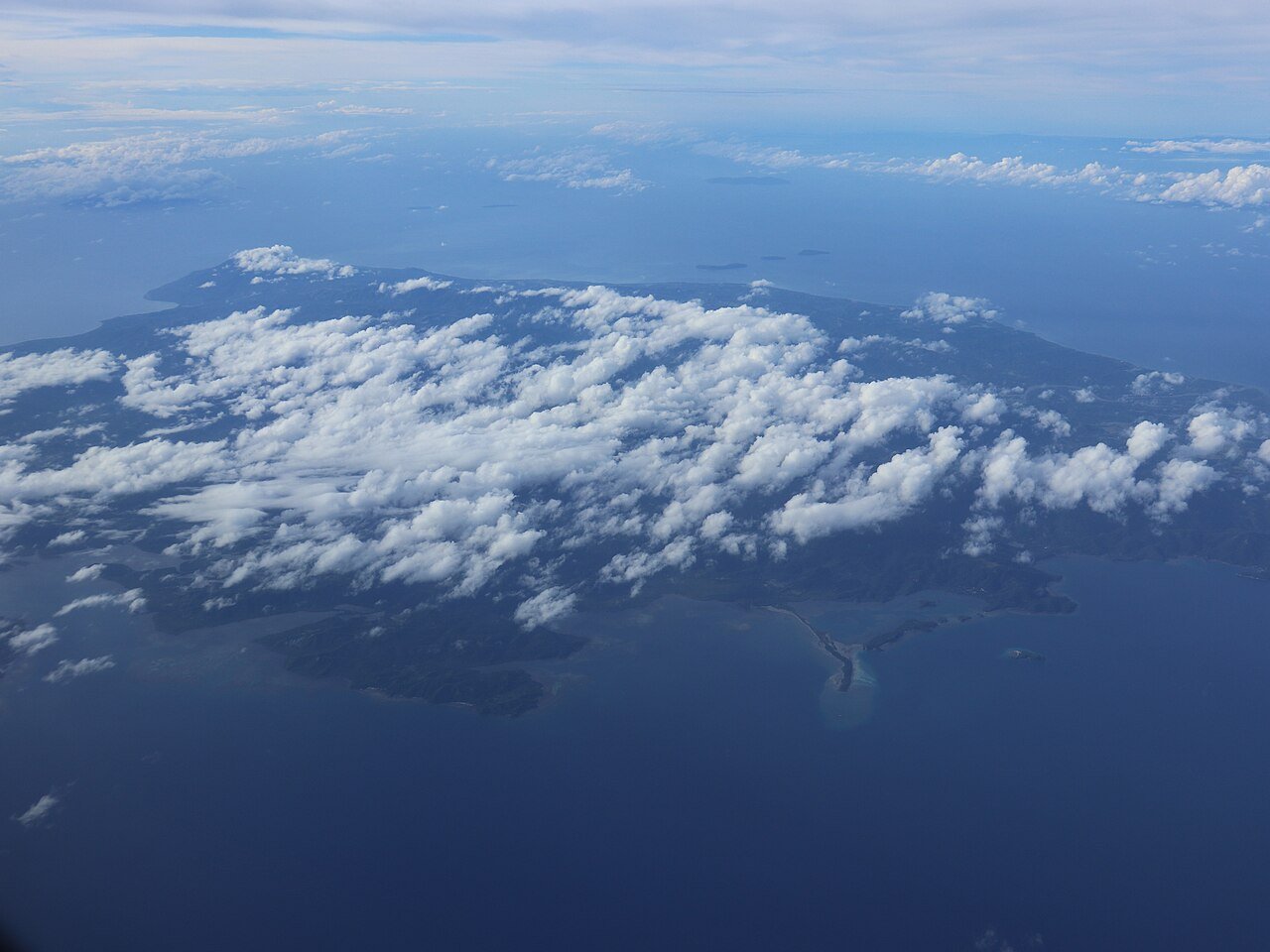
Marinduque does not get nearly the attention it deserves, and honestly, that is part of its charm. Shaped like a heart and tucked into the MIMAROPA region south of Quezon province, this small island is best known abroad for one wild week every year, but there is a lot more going on here than a single festival. If you want a Philippine island that still feels unhurried, where the beaches are not crowded and the towns are not chasing tourists, Marinduque is worth putting on the list.
Here is what is actually worth doing once you get there, plus a few practical notes to help you plan.
Watch or Join the Moriones Festival
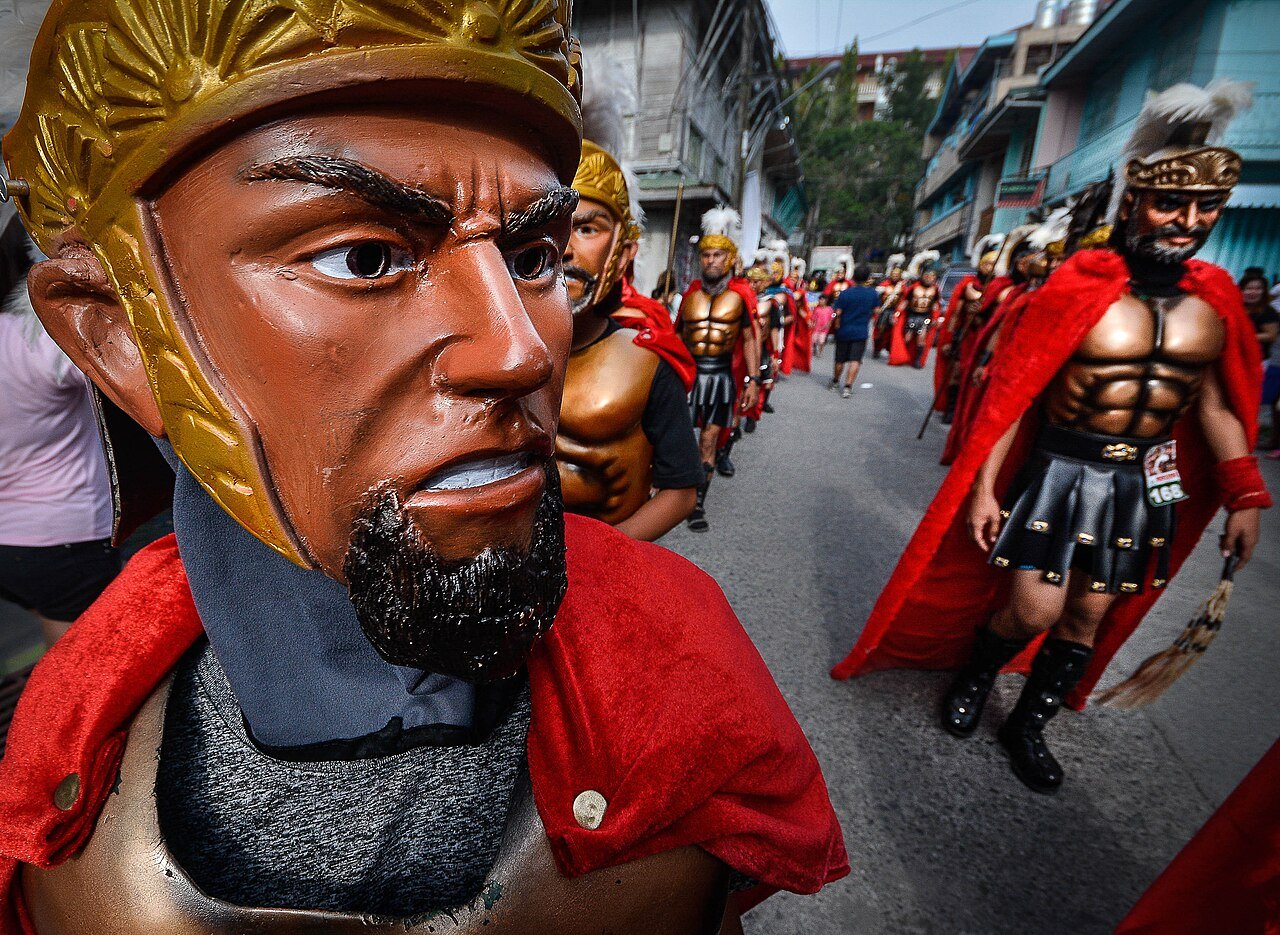
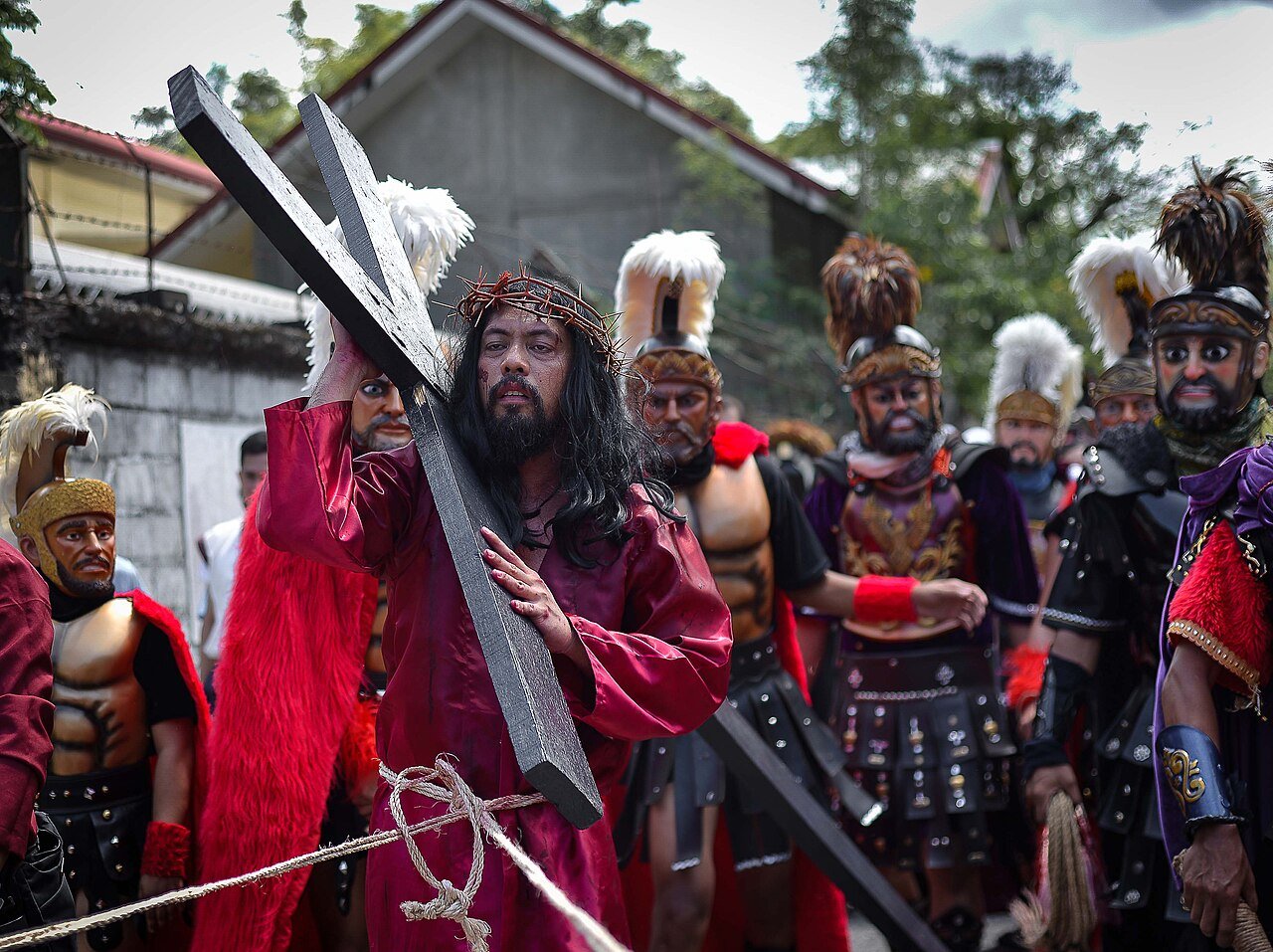
If you can time your visit to Holy Week, do it. The Moriones Festival is Marinduque’s signature event, a religious pageant where locals dress as Roman centurions in carved wooden masks and armor, reenacting the story of Longinus, the blind soldier who pierced the side of Christ and was healed. Streets across the island fill with these masked figures for days, and the atmosphere is part solemn procession, part street theater. Even if you are not religious, it is one of the more visually striking festivals in the country, and it draws visitors from well beyond the Philippines.
Explore Boac, the Heritage Capital
Boac is Marinduque’s capital and its most walkable town, with a Spanish era cathedral, old stone houses, and a small but genuinely interesting museum near the town plaza. It is a good base for your first day or two, with enough guesthouses and eateries to get oriented before heading out to the beaches and hiking trails.
Relax at Poctoy White Beach
Poctoy, on the eastern side of the island in Torrijos, is the beach most people picture when they think of Marinduque. It has a long stretch of pale sand and a view across the water toward Mount Banahaw on a clear day. It gets a bit more foot traffic on weekends, but on a weekday you can easily have a long stretch of shoreline mostly to yourself.
Hike Mount Malindig
Mount Malindig is the island’s dormant volcano and its highest point, and the climb is a manageable day hike for anyone in reasonably good shape. The trail passes through farmland and forest before opening up to views over the southern coast and, on a clear day, out toward the Sibuyan Sea. Local guides in Buenavista or Torrijos can arrange the climb, and it is worth having one along since the trail is not always well marked.
Island Hop to the Tres Reyes Islands
Named after the Three Kings, Gaspar, Melchor, and Baltazar, these three small islands off the coast are the best spot on Marinduque for snorkeling and diving. The reefs here are healthier than a lot of more heavily visited dive spots in the country, and boat operators in Gasan or Buenavista can set up a half day or full day trip depending on how much time you have.
Visit Maniwaya Island
Maniwaya, a short boat ride from Santa Cruz on the northern side of Marinduque, is the kind of white sand island that feels like a reward for making the trip out here in the first place. It is quieter than most of the beaches on the main island, with a handful of simple cottages if you want to stay overnight rather than do a day trip.
See the Marinduque Wildlife Sanctuary
Covering close to 9,000 hectares, this sanctuary protects native forest and is home to bird species like the Zebra Dove, the Serpent Eagle, and the Philippine Scops Owl, along with hardwood trees such as Narra, Yakal, and Molave. It is a low key stop, more for birdwatchers and nature walkers than for anyone looking for a big adventure, but a peaceful way to spend a morning.
Stand at the Luzon Datum, the Geodetic Center of the Philippines
This is one of those slightly odd but memorable stops: the Luzon Datum marker near Balanacan is the reference point used for surveying across the entire Philippines. It is not much to look at on its own, a marker and a small monument, but it is a neat bit of trivia to have seen in person if you are already passing through the area.
Go Spelunking Near Gasan
Marinduque has a handful of caves worth exploring if you enjoyed the more famous cave systems in places like Sagada or Palawan. They are smaller and less developed for tourism here, which means fewer crowds but also that you will want a local guide who knows the terrain.
Try the Local Food in Boac and Gasan
Marinduque’s food scene will not surprise anyone looking for fine dining, but that is exactly the appeal. Look for tinolang manok cooked the local way, fresh catch grilled right on the roadside in Gasan, and suman wrapped in banana leaves sold at the public market in Boac. Along the coast in Buenavista, small carinderias serve kinilaw made with whatever the boats brought in that morning, usually for less than a hundred pesos a plate. If you happen to be around during a fiesta, do not skip the chance to try pancit and lechon served at a barangay celebration, it is some of the most honest home cooking you will find on the island.
Where to Stay: Boac vs. the Coastal Towns
Boac makes the most sense as a home base if you want easy access to restaurants, the market, and transport connections, and there are a handful of simple inns and a couple of mid range hotels near the town center. If you would rather wake up near the water, Gasan and Buenavista have small beach resorts and homestays closer to the Tres Reyes Islands boat launches, which saves you an early morning commute if diving or snorkeling is the priority. Torrijos, out near Poctoy White Beach, has fewer options but is worth it if that beach is the main reason for your trip. Budget travelers can expect fan rooms for around PHP 800 to 1,500 a night, while the handful of nicer resorts run closer to PHP 3,000 to 6,000.
Getting Around and Planning Your Days
Marinduque is compact enough to see the highlights in four or five days without rushing. Tricycles and habal habal motorbikes handle short trips within towns, while a hired van or multicab makes more sense for a full day of hopping between Boac, Gasan, Buenavista, and Torrijos. Renting a motorbike yourself is an option too if you are comfortable navigating unfamiliar roads, and it gives you the most freedom to stop wherever looks interesting.
If you like the idea of a quieter island escape, Marinduque pairs well with a broader MIMAROPA trip. Nearby Romblon has a similar unhurried pace, and further south Guimaras and Camiguin share that same small island, big nature appeal if you want to keep the trip going.
Plan Your Trip to Marinduque
Ready to book? Compare hotels and tours in Marinduque below.
- Search Hotels in Marinduque on Booking.com
- Compare Hotels in Marinduque on Agoda
- Find Tours and Activities in Marinduque on Klook
- Book Tours in Marinduque on GetYourGuide
Booking through these links may earn us a small commission at no extra cost to you.
Quick FAQ
How many days do you need in Marinduque? Four to five days is enough to cover Boac, the main beaches, and a hike up Mount Malindig without feeling rushed.
What is the best time of year to visit Marinduque? The dry season from December through May is most reliable for beach days and hiking, though if you specifically want the Moriones Festival, you will need to visit during Holy Week, which falls in March or April depending on the year.
How do you get to Marinduque? Most travelers take a ferry from Dalahican Port in Lucena, Quezon, to either Balanacan or Cawit port on Marinduque, a crossing of around two to three hours, followed by a short van or tricycle ride into Boac.
Is Marinduque worth visiting if you have already seen Boracay or Palawan? Yes, though for a different reason. Marinduque is not about polished resorts, it is about a slower pace, genuine small town hospitality, and beaches that have not been developed into resort strips yet.