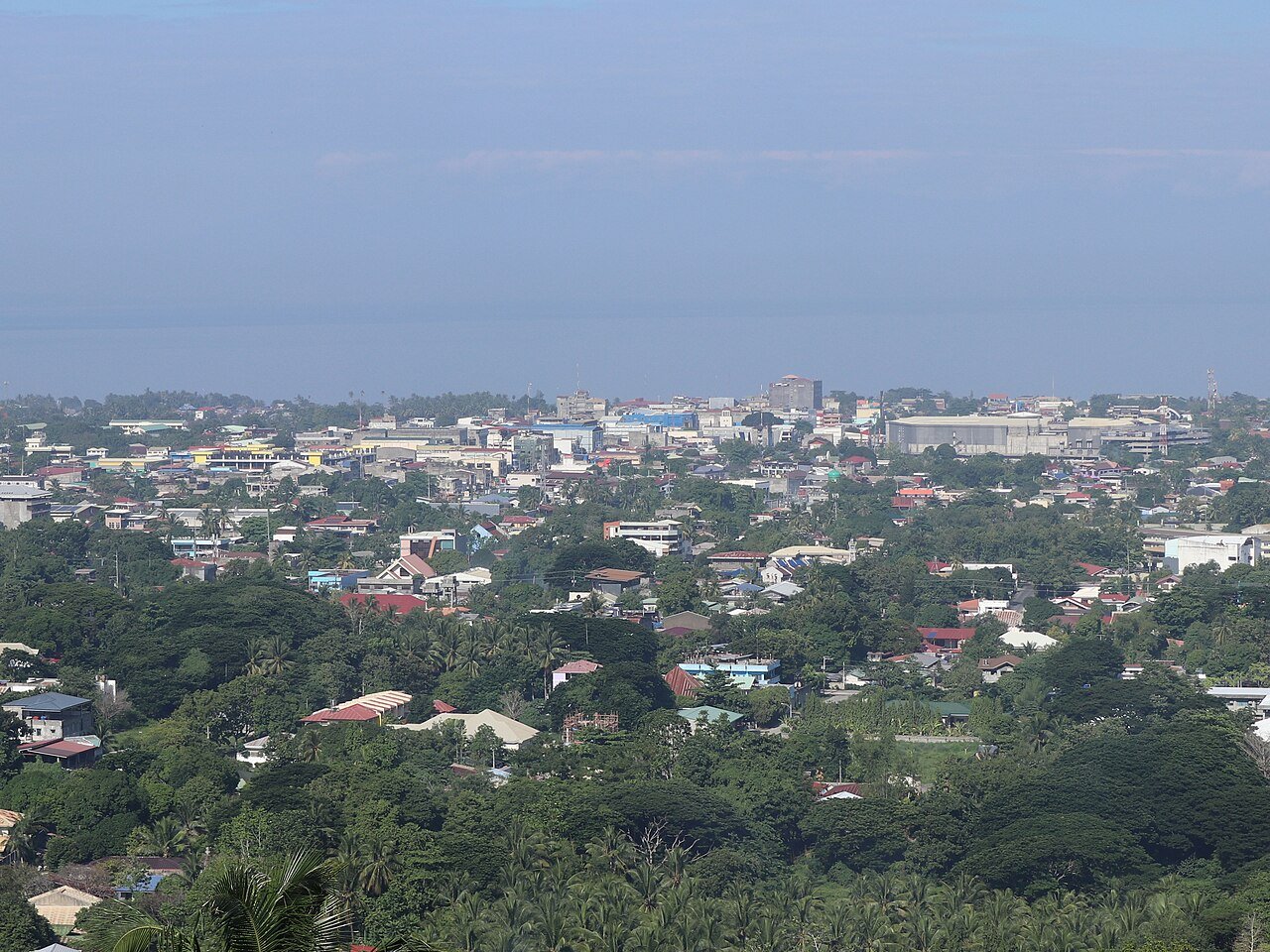

If you’ve already read our guide to the top things to do in Iligan and you’re set on the waterfalls, the next real question isn’t which falls to see first, it’s where you’re going to sleep. Iligan isn’t a resort town. There’s no strip of beachfront hotels here, the city is built around Quezon Avenue, a handful of malls, and the roads leading out to Tinago, Maria Cristina and Timoga. That actually makes choosing a base simpler than in a sprawling destination, but it helps to know the layout before you book.
This guide covers every price bracket, from roughly ₱700 pension rooms to the city’s one real boutique hotel, plus how to get from Laguindingan Airport to wherever you land, and what a realistic daily budget looks like once accommodation is sorted. For the broader logistics beyond hotels, our Iligan travel guide covers the rest.
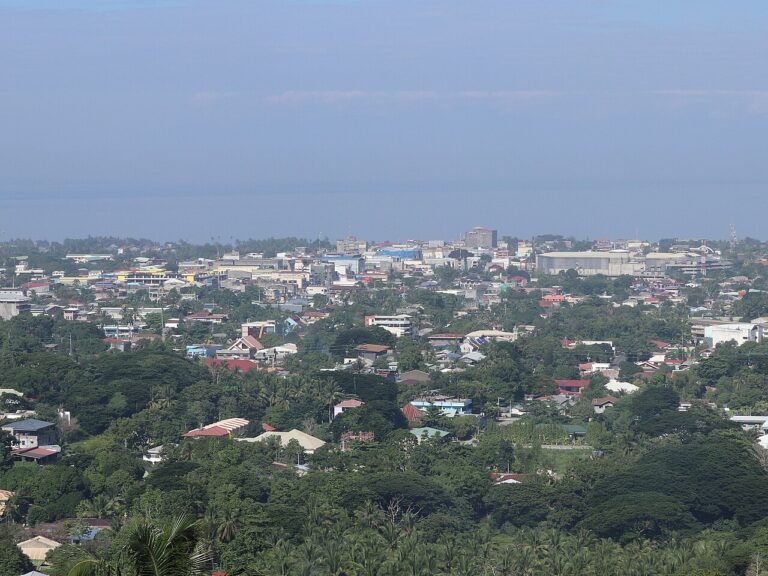
Why where you stay in Iligan actually matters
Iligan’s main attractions, Maria Cristina Falls, Tinago Falls, Timoga Springs, are scattered outside the city center, mostly a 20 to 45 minute tricycle or habal-habal ride away. Staying downtown near Quezon Avenue puts you closest to restaurants, ATMs, pharmacies and the jump-off points for tricycles heading to the falls. Staying further out trades convenience for quiet, and sometimes for a lower rate. Neither is wrong, it depends on whether you’re here for two nights or a full week.
Downtown Iligan (Quezon Avenue corridor): the default base
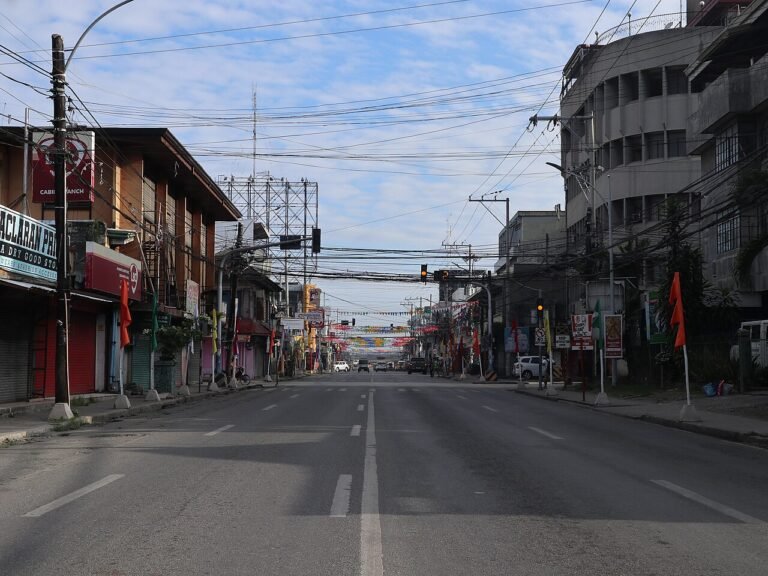
Quezon Avenue and its extension is the highest concentration of hotels in the city, and for most visitors it’s the right call. You’re walking distance from Robinsons Iligan, several fast food chains, pharmacies, and the tricycle terminals that run out to Tinago and Maria Cristina. Hotels here include Plaza Alemania, Fortune Suite, Celadon Pensionne House and StayLite Suites, spanning budget to lower mid-range.
The tradeoff is noise. This is the busiest commercial strip in the city, so ask for a room away from the main road if you’re a light sleeper.
Near Robinsons Iligan: convenience first
A cluster of hotels sits right behind or near Robinsons Iligan mall, including Go Hotels Iligan, currently the most-reviewed hotel in the province. This area works well if you want a mall, a supermarket and a food court within a five-minute walk, useful on your first night after a long travel day when you don’t want to think about where to eat.
Budget hotels and pension houses (around ₱700 to ₱1,500 a night)
Iligan has a decent spread of pension houses that don’t show up on the big booking sites’ front pages but are reliable. RedDoorz @ Socor Pension House, Cozy Inn, Famous Pension House II and Red-c Residences all fall in this bracket, roughly ₱700 to ₱1,500 for a fan or basic air-conditioned room. Don’t expect much beyond a bed, a bathroom and reliable wifi at this price, but that’s genuinely all most travelers need after a day at the falls.
Honest negative: rooms this cheap in Iligan are usually small, and hot water isn’t always guaranteed. Check the listing photos and recent reviews before booking, not just the price.
Mid-range hotels (around ₱1,800 to ₱3,500 a night)
This is where Iligan’s accommodation actually gets comfortable. Go Hotels Iligan, Maria Cristina Hotel, Crystal Inn and The Loft Hotel sit in this range. The Loft Hotel in particular gets consistently good reviews for its contemporary rooms, on-site restaurant and reliable air conditioning, a real step up from the budget tier without hitting boutique prices.
For most travelers doing three or four days of waterfall hopping, this bracket is the sweet spot: a proper shower, decent wifi for uploading photos, and breakfast options nearby.
The upscale option: The Residence by Ivory (around ₱5,000 to ₱6,500 a night)
If you want one genuinely upscale stay in Iligan, The Residence by Ivory is currently the benchmark. It’s a boutique hotel with a rooftop restaurant, the closest thing the city has to a design hotel. Rates run roughly ₱5,000 to ₱6,500 depending on room type and season. Worth it for a special-occasion night or if you’re combining Iligan with a work trip and want a reliable business-standard room; overkill if you’re just passing through for the waterfalls.
Homestays and longer-stay options
AJM Iligan Homestay and a handful of similar listings offer a more local, house-share style stay, generally cheaper than even the budget pension houses on a per-night basis if you’re staying a week or more. These won’t have a front desk or daily housekeeping, so they suit travelers who want independence over service, not first-timers who want hand-holding.
Quieter alternatives: Tagoloan and Manticao
If you have your own transport or don’t mind a longer commute, Tagoloan sits near the coastline and offers a slower pace with some beach access nearby, while Manticao, a bit further out, is genuinely rural, with Manticao Cave as a local attraction. Neither is a practical base if Iligan’s waterfalls are your main goal, since you’d be adding 30 to 60 minutes each way to every day trip. They make more sense as a stop if you’re road-tripping between Iligan and Cagayan de Oro rather than as your Iligan headquarters.
How to get from Laguindingan Airport to your hotel
Laguindingan Airport (CGY) is Iligan’s nearest airport, roughly 60 to 65 kilometers away, and it’s shared with Cagayan de Oro, so flights here tend to be more frequent than a dedicated Iligan airport would allow. From the airport:
- Shuttle van: around ₱250 to ₱350 per person, about 1.5 hours depending on traffic. The easiest option if you’re not in a rush.
- Bus: Super Five Bus runs from the Laguindingan terminal to Iligan roughly every 30 minutes, cheaper than a shuttle but slower door to door, figure on 1 hour 15 minutes to 1 hour 45 minutes.
- Taxi or private van: around ₱450 to ₱650 for the trip, the fastest option at roughly 1 hour 10 to 20 minutes if traffic cooperates, and the best call if you’re arriving late at night when shuttles and buses have stopped running.
Whichever option you pick, confirm with your hotel whether they can arrange pickup, some of the mid-range and upscale places will for an extra fee, which is worth it on a first visit.
What a day actually costs, by accommodation bracket
Rough daily budgets including your room, food and getting around to the falls:
- Budget bracket: room around ₱1,000 to ₱1,200, meals around ₱400 to ₱600, tricycle and entrance fees around ₱300 to ₱500. Total roughly ₱1,700 to ₱2,300 a day.
- Mid-range bracket: room around ₱2,500, meals around ₱700 to ₱1,000, transport and fees around ₱400 to ₱600. Total roughly ₱3,600 to ₱4,100 a day.
- Upscale bracket: room around ₱5,500, meals around ₱1,200 to ₱1,800, transport and fees around ₱500. Total roughly ₱7,200 to ₱7,800 a day.
These numbers assume you’re not adding a habal-habal driver for a full-day private tour, which is common for reaching Tinago Falls’ more remote viewpoint and adds roughly ₱500 to ₱800 for the day.
Best area for different kinds of travelers
Solo travelers and backpackers: downtown Quezon Avenue, for the walkability and the budget pension house density. Families: the Robinsons Iligan cluster, for the mall, supermarket and food options within reach when you don’t want to plan every meal around a toddler’s schedule. Couples wanting a nicer stay: The Residence by Ivory, the one place in the city that feels intentionally designed rather than purely functional. Longer stays or digital nomads passing through: a homestay, for the lower weekly rate.
What to skip
Skip booking anything sight unseen in Tagoloan or Manticao unless you specifically want the rural, off-grid experience and have your own vehicle. The savings versus downtown aren’t large enough to offset the extra travel time to the falls, and public transport options thin out the further you get from the city center after dark.
Booking tips
Iligan isn’t a destination that sells out months in advance outside of the Diyandi Festival period (usually around September), so booking one to two weeks ahead is normally enough, even for the popular mid-range options. Prices on the aggregator sites fluctuate by ₱200 to ₱400 depending on the platform, so it’s worth a quick cross-check between two booking sites before confirming rather than assuming the first price you see is the best one.
Getting around once you’re settled
Tricycles are the default way to get around Iligan and out to the nearer falls, with fares typically ₱15 to ₱30 for short hops within the city and ₱150 to ₱300 for a round trip out to Tinago or Maria Cristina depending on how much waiting time you negotiate. Habal-habal (motorcycle taxis) fill in where tricycles can’t easily go, useful for the steeper or more remote stretches near Tinago’s lower viewpoint.
Wifi and connectivity, if you’re working while you travel
Mid-range and upscale hotels in Iligan generally advertise wifi and mostly deliver on it, though speeds are inconsistent enough that video calls can be hit or miss, especially in the evening when everyone in the building is streaming. Budget pension houses are more of a gamble, some have solid fiber connections, others are running on a shared home-grade router that struggles past three or four devices. If a stable connection matters for your trip, check recent reviews specifically for wifi complaints rather than trusting the amenities list, and consider a local SIM with a data plan as backup. Globe and Smart both have decent coverage in the city center, weaker out toward Tagoloan and Manticao.
Power outages: a real, honest consideration
Iligan and the wider Mindanao grid have had periodic brownouts, usually short and more common in the dry season when hydro output drops. Mid-range and upscale hotels typically have generator backup that kicks in within a few minutes, budget pension houses sometimes don’t. It’s rarely a major disruption, but if you’re relying on air conditioning to sleep through a hot night, it’s worth asking at check-in whether the property has a generator, rather than finding out at 2am.
What’s nearby to eat, by area
Downtown Quezon Avenue has the widest spread, from fast food chains and bakeries to local carinderias serving Maranao-influenced dishes you won’t find as easily elsewhere in the country, look for kaykay and other local specialties if you want something beyond the standard Filipino travel menu. The Robinsons Iligan cluster gives you the mall’s food court plus a supermarket if you’d rather self-cater for a night. Out near Tagoloan and Manticao, options thin out fast, mostly small local eateries with limited hours, so if you’re staying in either area, plan your dinner before it gets dark rather than assuming you’ll find something on a whim.
Pairing an Iligan stay with a wider Mindanao trip
Because Iligan shares Laguindingan Airport with Cagayan de Oro, a lot of visitors treat it as one leg of a longer route rather than a standalone destination. A common pattern: fly into Laguindingan, spend two to three nights in Iligan for the falls, then either backtrack to CDO for its own attractions or continue on toward Camiguin, a popular add-on island a few hours further by land and ferry, or head west to Ozamis if you’re continuing along the northern Mindanao coast. If that’s your plan, it’s worth booking your Iligan accommodation with an early enough checkout that you’re not rushing a long transfer day, mid-range hotels here are generally flexible about late checkout for a small fee if you ask in advance, budget pension houses less so.
Packing and practical notes for your stay
A few small things that make a difference depending on where you land: bring a portable charger given the brownout possibility mentioned above, pack a light rain layer since Mindanao’s weather can turn quickly even outside the official rainy season, and keep a printed or offline copy of your booking confirmation, some of the smaller pension houses don’t have a reliable way to look up a reservation if their internet happens to be down when you arrive. Cash is still king outside the mid-range and upscale hotels, budget pension houses and homestays often don’t take cards, so carry enough pesos for at least your first two days.
Solo female travelers and safety around accommodation
Iligan is a working city rather than a tourist town, which generally means less hassle than in more heavily touristed spots, but the usual precautions apply. Downtown Quezon Avenue and the Robinsons cluster are well lit and busy into the evening, making them the more comfortable choice for solo travelers arriving after dark. If you’re booking a homestay, check for reviews from other solo travelers specifically, and confirm the exact address and how to reach it before you land, rather than relying on being able to ask around once you’re there.
Quick comparison: which bracket actually fits you
If you’re still deciding, here’s the short version. Choose budget (around ₱700 to ₱1,500) if you’re spending most of your day out at the falls anyway and just need somewhere clean to sleep. Choose mid-range (around ₱1,800 to ₱3,500) if you want a reliable shower, dependable air conditioning through any brownout, and a bit of comfort to come back to. Choose the upscale option (around ₱5,000 to ₱6,500) if you’re combining the trip with work, celebrating something, or simply prefer not to think about the price at all. Most travelers doing a standard two to four night waterfall trip land comfortably in the mid-range bracket and don’t feel like they’re missing anything by skipping the boutique option.
More Iligan Guides
Here is what to do while you are there and the practical basics.
- Top Things to Do in Iligan: The Complete Guide to the City of Waterfalls
- Iligan Travel Guide: What to Know Before You Go
Book Your Stay in Iligan
Compare hotel rates in Iligan before you go.
Booking through these links may earn us a small commission at no extra cost to you.
Quick FAQ
What’s the best area to stay in Iligan for first-time visitors? Downtown, along or near Quezon Avenue, for the easiest access to restaurants, ATMs and the tricycle terminals heading to the falls.
How much should I budget for a hotel room in Iligan? Roughly ₱700 to ₱1,500 for budget, ₱1,800 to ₱3,500 for mid-range, and ₱5,000 to ₱6,500 for the city’s one boutique option, The Residence by Ivory.
How do I get from Laguindingan Airport to Iligan? Shuttle van (around ₱250 to ₱350, 1.5 hours), Super Five Bus (roughly 1 hour 15 to 1 hour 45), or taxi (around ₱450 to ₱650, the fastest at about 1 hour 10 to 20 minutes).
Is it worth staying outside downtown Iligan, in Tagoloan or Manticao? Only if you have your own transport and want a slower, more rural pace. For waterfall hopping, downtown saves you 30 to 60 minutes of extra travel each way.
Do I need to book Iligan hotels far in advance? Not usually, one to two weeks ahead is normally enough outside of the Diyandi Festival period around September.
What’s the cheapest way to get around Iligan once I’ve checked in? Tricycles, typically ₱15 to ₱30 for short hops in the city and ₱150 to ₱300 for a round trip out to the nearer falls.
Can I pay by card at hotels in Iligan? Mid-range and upscale hotels generally accept cards, but budget pension houses and homestays are often cash only, so carry enough pesos for at least your first two days.
Is Iligan a good base for visiting Camiguin or Ozamis too? It can be, since Laguindingan Airport serves the wider region, but treat it as a multi-stop trip rather than day-tripping from Iligan, the onward travel to Camiguin or Ozamis takes a few hours each way.