
Abra is the Cordillera province that tourism forgot. It has no Banaue, no Sagada cave system and no boutique hotel scene, which is exactly why the top things to do in Abra still feel like discoveries rather than queues. What it does have is Kaparkan Falls, a hillside of terraced limestone pools that only opens for part of the year, and some of the best backstrap weaving left in the Philippines.
Abra also takes effort. The roads are long, the falls need booking weeks ahead, and the province has a reputation for rough election seasons. All of that is covered below, honestly.
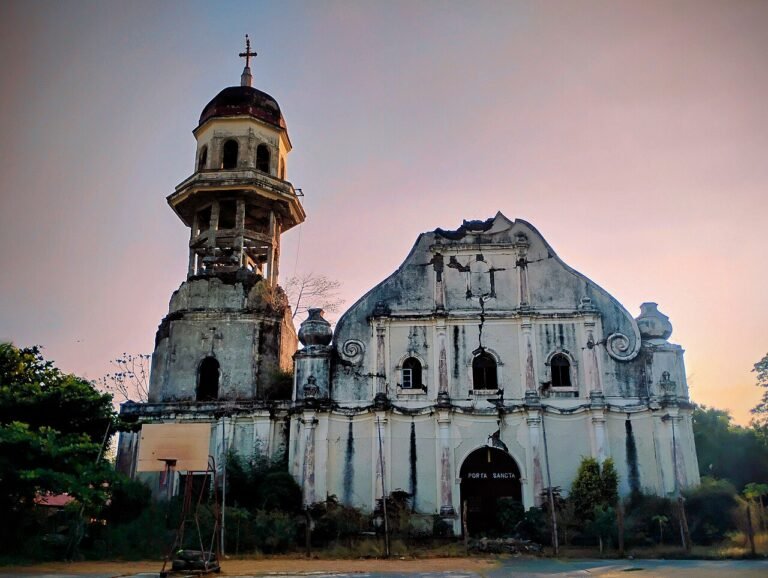
Kaparkan Falls: The Reason People Come
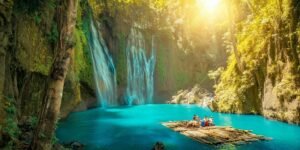
Kaparkan, known locally as Mulawin Falls, is in Tineg and it is unlike any other waterfall in the country. Instead of one drop it is a staircase of travertine limestone terraces holding shallow turquoise pools, formed by mineral rich water depositing rock over centuries. Photographs do not convey the scale.
The critical thing to understand is that Kaparkan is not a walk in destination. The Tineg local government runs a managed visitor system and you cannot simply turn up. In practice that means:
- Advance reservation is required, and popular dates fill weeks ahead.
- A waiver must be signed and a mandatory orientation happens before departure.
- A local guide or coordinator accompanies every group.
- There is a visitor cap of roughly 100 people per batch.
- Access is seasonal, broadly the wet months, because the pools need water to look like anything at all.
Costs vary by operator. Joiner tours by truck run at roughly PHP 3,700 per person with a deposit of around PHP 1,000. Private two day one night packages range from about PHP 4,500 to PHP 8,500 per person depending on group size, usually covering van transfer, accommodation, jeep or truck rental, entrance, environmental fees and permits.
Getting up there from Bangued is a 3 hour ride in a military style truck or jeepney on an unpaved mountain road. Registration and orientation typically happen in Bangued before you board. It is genuinely rough and people who get travel sick should take something beforehand.
Tinguian Weaving Villages
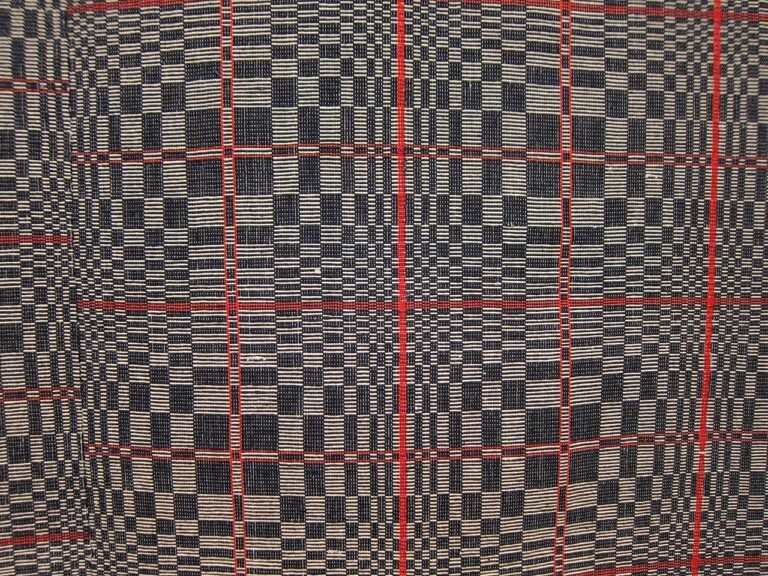
Abra is Tinguian, also called Itneg, country, and the province’s binakol weaving is remarkable. Binakol is a dizzying optical pattern of interlocking spirals, traditionally believed to confuse malevolent spirits. Museum collections around the world hold Abra binakol from the early 20th century.
Weaving still happens in villages around Penarrubia, Manabo and San Quintin. Visiting is informal rather than organised. Ask at the Bangued provincial tourism office who is currently weaving and willing to receive visitors, because it changes and turning up unannounced at someone’s house is poor form.
Buy directly if you can. A good hand woven blanket runs roughly PHP 2,500 to 6,000 depending on size and complexity, and a table runner or scarf PHP 400 to 1,200. That is the honest price of weeks of work on a backstrap loom, and the markup in Manila shops is considerable.
Tayum: Heritage Church and Ancestral Houses
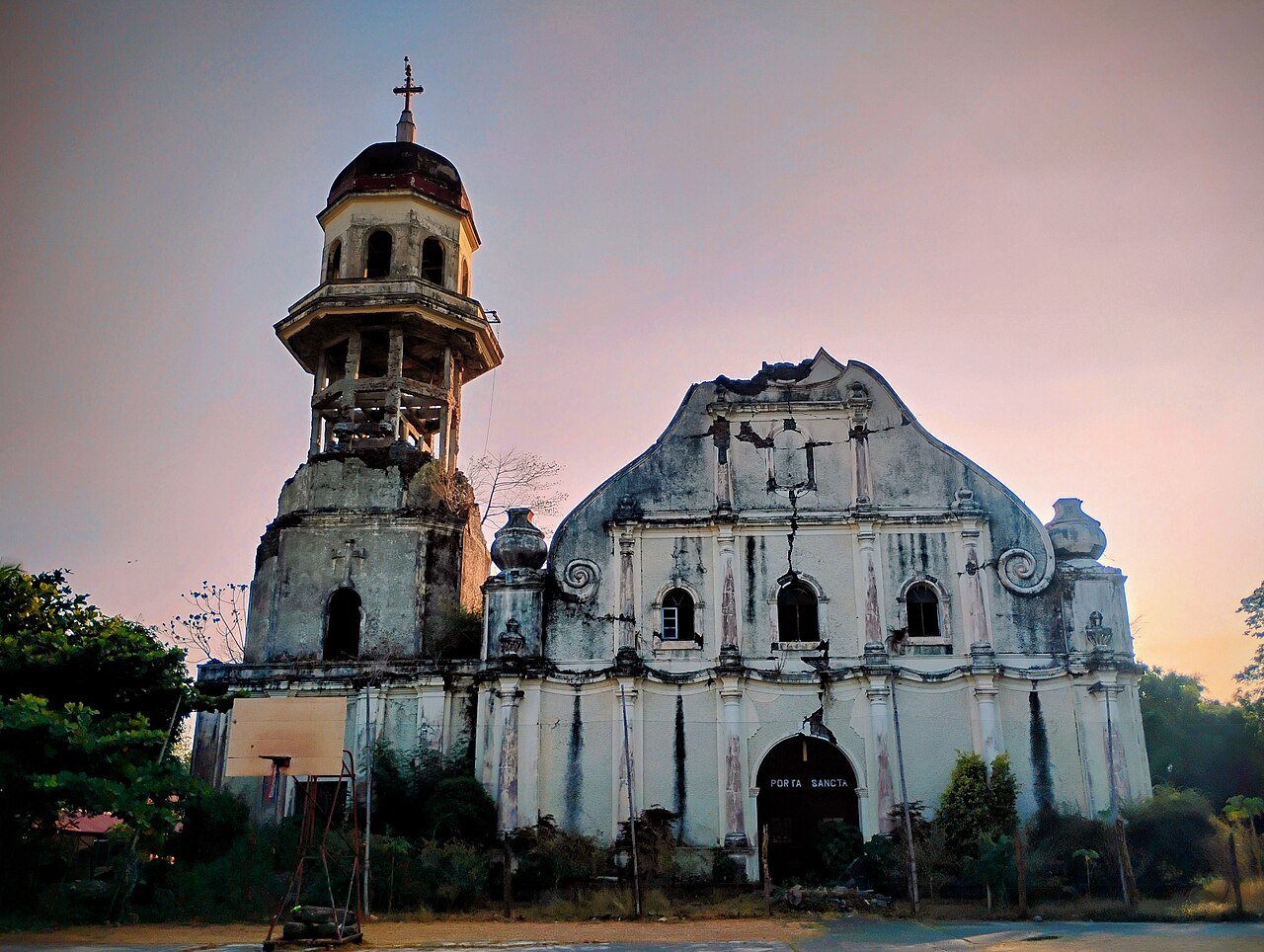
Tayum is 10 minutes from Bangued and makes the easiest half day in the province. Santa Catalina de Alejandria Church dates from the Spanish period and is a declared National Cultural Treasure, with a heavy baroque facade and an interior that repays a slow look.
Around the plaza sit bahay na bato ancestral houses, several still family occupied. There is no formal heritage trail, so you simply walk the streets. Entry to the church is free. Allow an hour, more if you like old buildings.
Kili Falls and the Hot Spring at Tubo
Kili Falls in Tubo is the accessible alternative to Kaparkan, and it comes with a hot spring nearby, which is an unusual pairing. Tubo is deep in the southeast of the province and the road is slow, roughly 3 hours from Bangued.
Fees are modest, usually a small entrance and environmental fee under PHP 100 combined, plus habal habal for the last leg at around PHP 200 to 400 return after negotiating. There are no facilities to speak of, so bring water and food.
Hanging Bridges of Licuan Baay and Bucay
Abra has a genuine collection of footbridges strung across the Abra River and its tributaries, the longest in Licuan Baay and more around Bucay. They are working infrastructure rather than attractions, used daily by people carrying vegetables and schoolbags.
Crossing one is free and mildly terrifying, with plank gaps and a good deal of sway. That is the appeal. Do not cross in high wind, and do not all bunch in the middle for a photograph.
What to Eat in Abra
Abra food is Ilocano with a Cordillera accent. Expect pinakbet, bagnet and longganisa, all done with a heavier hand on the bagoong than you get further south. The local specialty worth seeking is tinubong, sticky rice with coconut cooked inside a bamboo tube and cracked open to eat.
Bangued market is the place to try it, along with empanada stalls that follow the Ilocos style with egg and longganisa inside an orange wrapper. A market meal costs PHP 60 to 120 and a sit down restaurant main PHP 150 to 300. Basi, the local sugarcane wine, is sold in most markets and is stronger than it tastes.
A Four Day Abra Itinerary
Day one. Arrive Bangued on the overnight bus. Sleep, then Tayum church and ancestral houses in the afternoon, Victoria Park at sunset.
Days two and three. Kaparkan Falls, which is the fixed point everything else bends around. Orientation and truck departure from Bangued, overnight in Tineg, back the following afternoon.
Day four. A weaving village in the morning, then either Kili Falls if you have energy or the bus on to Vigan. Vigan is only around 2 hours and turns a rough trip into a comfortable ending.
If you only have two days, drop Kaparkan and do Tayum, a weaving village and the hanging bridges. That is a real trip and it is honest about what fits.
Bangued: Your Base
Bangued is the capital and the only town with real services. Victoria Park sits on a hill above the town with a view over the Abra River valley, best in the late afternoon, and it is the one conventional sight in the town itself.
Otherwise Bangued is a provincial market town. There is a decent public market, a few restaurants, the cathedral and the provincial capitol. Treat it as logistics: bank, ATM, phone load, food, bed.
How to Get to Abra
Partas runs daily buses from Manila, usually from Cubao, to Bangued. Reckon on roughly 10 hours and a fare of around PHP 960. Viron and Dominion also run the route. Overnight departures are the sensible choice so you arrive in the morning.
From Baguio it is roughly 5 to 6 hours. From Vigan, which is the nearest tourist hub, it is about 2 hours, and pairing the two is the smartest way to visit. The Manila to Vigan route comparison is worth reading if you plan to combine them.
Once inside the province, jeepneys serve the main towns from Bangued in the mornings and dry up by mid afternoon. Anything beyond that is habal habal. There is no tourist transport at all.
Where to Stay in Abra
All the options are in or near Bangued and they are basic.
- Budget, roughly PHP 500 to 900. Simple inns and pension houses. Fan or basic aircon.
- Mid range, roughly PHP 1,100 to 2,000. The better hotels in Bangued. Aircon, hot water, generally reliable.
- On a Kaparkan tour. Accommodation is bundled and usually means a homestay or basic lodge in Tineg. Do not expect a private bathroom.
What It Costs
Abra is cheap apart from Kaparkan. Budget roughly PHP 1,000 to 1,600 per person per day for a room, local transport and meals, with carinderia plates at PHP 70 to 130.
A Kaparkan trip is the big line item at roughly PHP 3,700 to 8,500 per person. A four day visit including Kaparkan, Tayum and a weaving village lands around PHP 7,000 to 12,000 per person excluding the bus from Manila.
Best Time to Visit Abra
This depends entirely on whether Kaparkan is your goal. The falls need water, so the wet season is when they are worth seeing, broadly the middle of the year, and tour operators run batches accordingly. Confirm the current season with operators before booking flights or leave.
If you are here for the churches, weaving and the town, the cooler dry months from December to February are far more pleasant and the roads are better. March to May gets very hot in the valley.
Safety and Honest Caveats
Abra has a documented history of election related violence, and the province is periodically placed under closer national police and Comelec watch around election periods. This is local political conflict rather than anything aimed at visitors, and travellers are not targets. The sensible precaution is to avoid travelling here in the weeks immediately around an election.
The more realistic risks are the roads. Mountain roads in Abra are narrow, unpaved in stretches and prone to landslides in heavy rain. Night travel between towns is a bad idea. Phone signal is absent across much of the province.
What to Skip
Skip Kaparkan in the dry season. Without water it is a hillside of grey rock and people come away baffled by the hype.
Skip Abra entirely if you have fewer than three days, or if you are not comfortable with long rough road journeys and basic rooms. There is no soft version of this province.
Skip Bangued as a destination in itself. One evening at Victoria Park is the whole of it.
And be realistic about combining Abra with the rest of the Cordillera in one trip. Kalinga is next door on the map and a long way by road, and Mountain Province further still. Pick one.
Plan Your Trip to Abra
The short version: book Kaparkan first, because everything else is flexible and it is not. Then build a Vigan and Abra loop around it, with Bangued as your base and a day each for Tayum, a weaving village and one of the falls.
For background on the province beyond the sights, the Abra travel guide covers the practical ground, and Ifugao makes the natural onward leg if you are heading deeper into the mountains.
Quick FAQ
What are the top things to do in Abra? Kaparkan Falls in Tineg, the Tinguian binakol weaving villages, Santa Catalina Church at Tayum, Kili Falls and hot spring in Tubo, the hanging bridges at Licuan Baay and Bucay, and Victoria Park in Bangued.
How much does Kaparkan Falls cost? Joiner tours by truck run around PHP 3,700 per person with a deposit of roughly PHP 1,000. Private two day packages range from about PHP 4,500 to PHP 8,500 per person depending on group size.
Can I visit Kaparkan Falls without a tour? No. Tineg requires advance reservation, a signed waiver, a pre departure orientation and a local guide, with a cap of roughly 100 visitors per batch. Walk in visits are not permitted.
How do I get to Abra from Manila? Partas runs daily buses from Cubao to Bangued in roughly 10 hours for around PHP 960. Viron and Dominion also serve the route. Vigan is about 2 hours away and makes a good pairing.
Is Abra safe for tourists? Yes for ordinary travel. The province has a history of election related political violence, which does not target visitors, so avoid the weeks around an election. The bigger practical risks are mountain roads and landslides.
How many days do you need in Abra? Three to four. Kaparkan alone consumes two days, and Tayum, a weaving village and one other falls fill the rest.