
If you are asking is Nueva Ecija safe for tourists, the short version is yes, and the province barely registers on anyone’s danger list. Nueva Ecija is a flat rice province in Central Luzon, roughly three and a half hours north of Manila, with no insurgency advisory, no travel ban and no reputation for targeting visitors. What it does have is fast provincial highways, a river gorge where people genuinely do get hurt, and a flood season that can strand you for two days. Those are the things worth planning around.
This is a practical read rather than a reassuring one. Below is what actually goes wrong in Nueva Ecija, what it costs to avoid, and the handful of places and times where you should change your plans.
The Short Answer: Yes, With Ordinary Caution
Nueva Ecija is not on any foreign government’s do not travel list. The Philippines as a whole sits at a general exercise increased caution level, and the specific regions singled out for serious warnings are in the far south, the Sulu Archipelago and parts of Mindanao. Nueva Ecija is about 1,000 kilometres from any of that.
In practice a tourist in Nueva Ecija faces roughly the same risks as a tourist in Pampanga or Tarlac. Road accidents first, weather second, petty theft a distant third. Violent crime against visitors is rare enough that you will struggle to find a documented case. That is not the same as saying nothing happens here, and the province does have its own problems, but they are local problems rather than tourist problems.
Where Nueva Ecija Actually Is, and Why That Matters
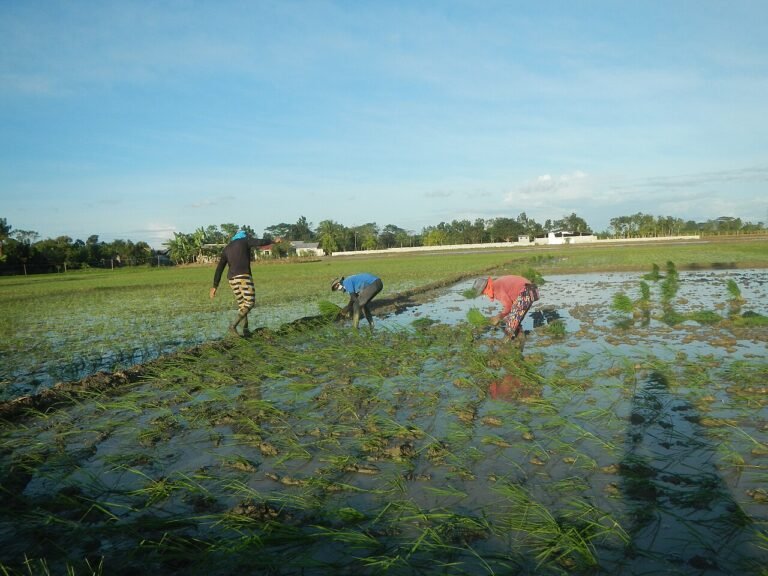
Nueva Ecija is the largest province in Central Luzon and the country’s rice bowl. Picture a huge flat plain of paddy fields with the Sierra Madre mountains forming a wall along the eastern edge. Cabanatuan is the biggest city and the transport hub. Palayan is the official capital but small. San Jose, Gapan and Talavera are the other towns you will pass through.
The geography explains most of the safety picture. Flat and agricultural means long straight roads and fast traffic. A river basin means flooding. A mountain range on the eastern boundary means a few remote upland areas where the state presence thins out. Everything else is farm country where the main hazard is a carabao crossing the road.
Is Nueva Ecija Safe for Tourists Compared to Its Neighbours
Honestly, it is unremarkable, which is the point. Nueva Ecija gets far fewer visitors than Pampanga or Tarlac, so it also gets far less of the tourist focused opportunism you find at busier sites. Nobody is running a fake tour operation in Cabanatuan because there is not enough tourist volume to make it worth doing.
The flipside is thinner infrastructure. Fewer hospitals with full trauma capacity, fewer English speaking tourist police, fewer signposted trails. If something does go wrong you are further from help than you would be in Angeles or Subic. That is the real trade you are making.
If you want the fuller picture of what the province offers, the Nueva Ecija travel guide covers the ground in more detail.
The Real Risk Is the Road, Not Crime
This is the one thing to take seriously. Nueva Ecija’s highways are wide, straight and fast, and they are shared by buses, tricycles, motorcycles, farm trucks and the occasional hand tractor. Overtaking on the Cabanatuan to San Jose stretch is aggressive. Night driving is worse because unlit tricycles and parked vehicles are common.
Some specifics that help:
- Take the bus rather than driving yourself if you are not used to Philippine provincial roads. Five Star, Cisco and Baliwag all run the Manila route.
- Avoid travelling between towns after dark. It is not a crime thing, it is a visibility thing.
- On tricycles, ask the driver to slow down if you need to. Most will. It is not rude here.
- Motorcycle rental is available in Cabanatuan and it is the single fastest way to get badly hurt in this province. Skip it unless you ride regularly at home.
Flooding and Typhoons: The Hazard Nobody Warns You About
Nueva Ecija sits in the Pampanga River basin and floods properly. Estimates suggest the overwhelming majority of the province’s population is exposed to flood hazard, and Cabanatuan itself has recurring flood problems. Recent typhoon seasons have put multiple towns under water and cut road access for days.
The peak risk window is roughly July through November, with September and October usually the worst. If a storm signal is raised while you are in the province, the sensible move is to stay put in a concrete hotel in town rather than trying to get out. Roads flood faster than you expect and buses stop running.
Check PAGASA before you commit to dates. If you are travelling in the wet season, build a spare day into your plan. This is the most likely reason a Nueva Ecija trip goes wrong, and it has nothing to do with safety in the crime sense at all.
Minalungao National Park: The One Place People Get Hurt
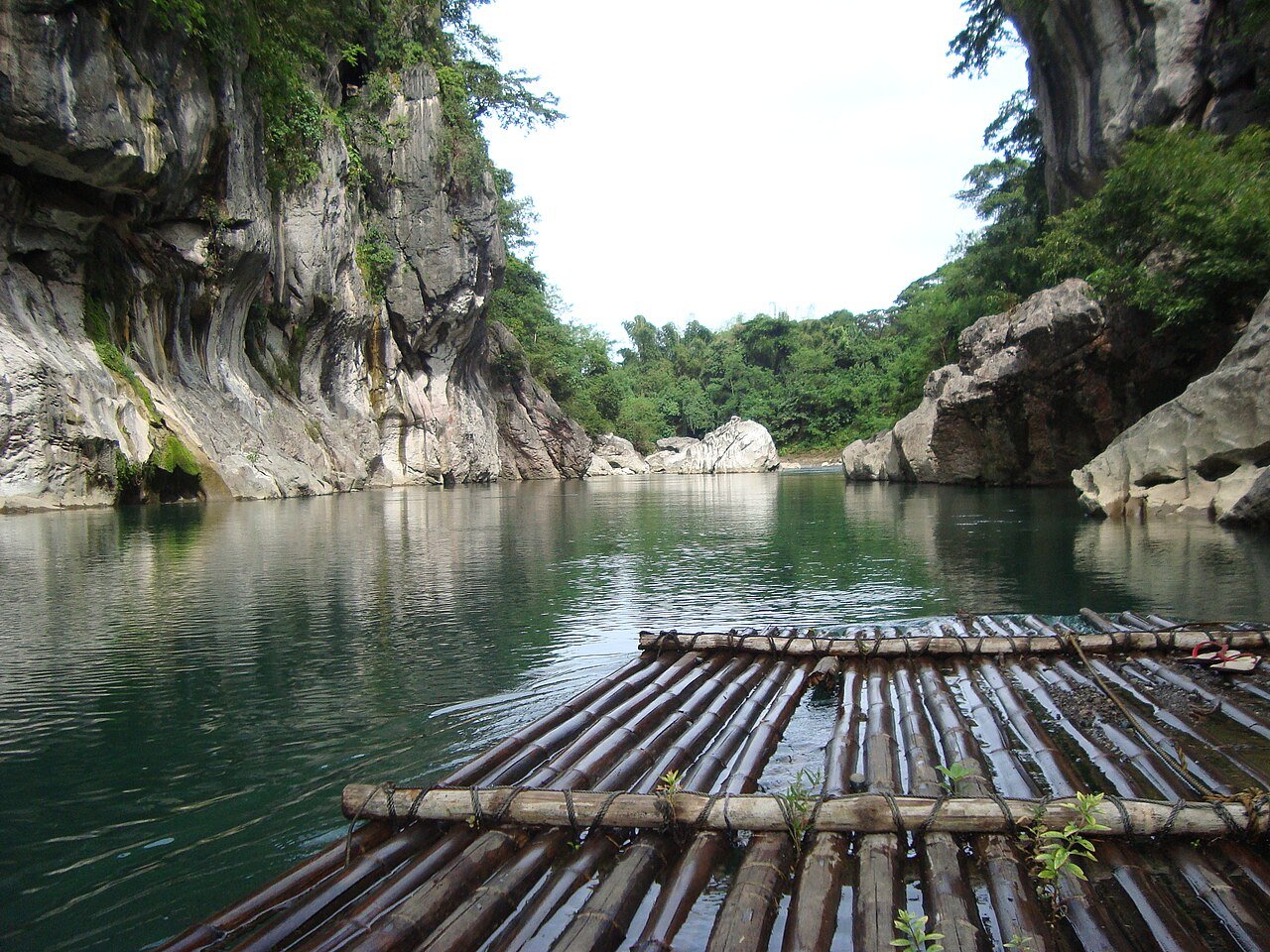
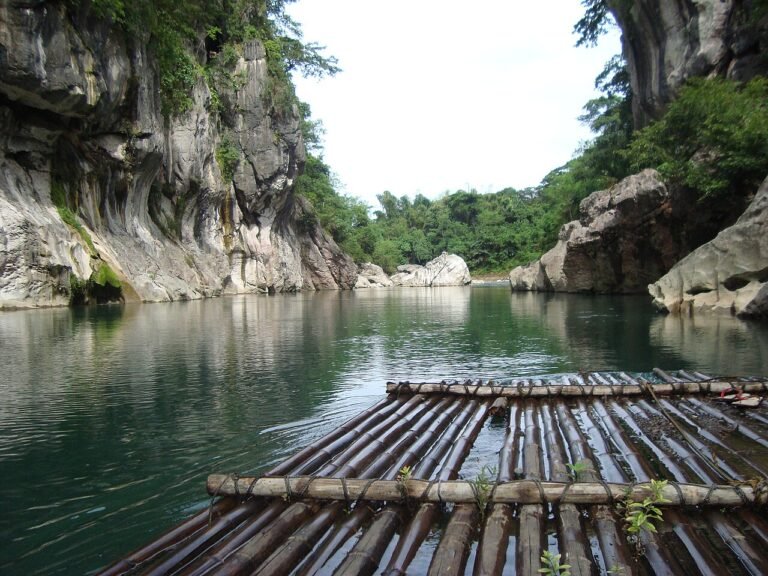
Minalungao in General Tinio is the province’s headline attraction and also where the actual injuries happen. The Penaranda River cuts through limestone walls and the water looks calm, which is misleading. It is deep in places, the current picks up after upstream rain, and the rock is slippery.
Fees run at roughly PHP 100 per person for entrance, with an environmental fee of around PHP 50 on top at some gates. Parking is about PHP 50. A bamboo raft is around PHP 1,200 for the group rather than per person, and the zipline is roughly PHP 100. Cottages go for about PHP 500. These change, so treat them as a guide rather than a quote.
The safety practicalities:
- Wear a life vest on the raft even if nobody offers you one. Ask.
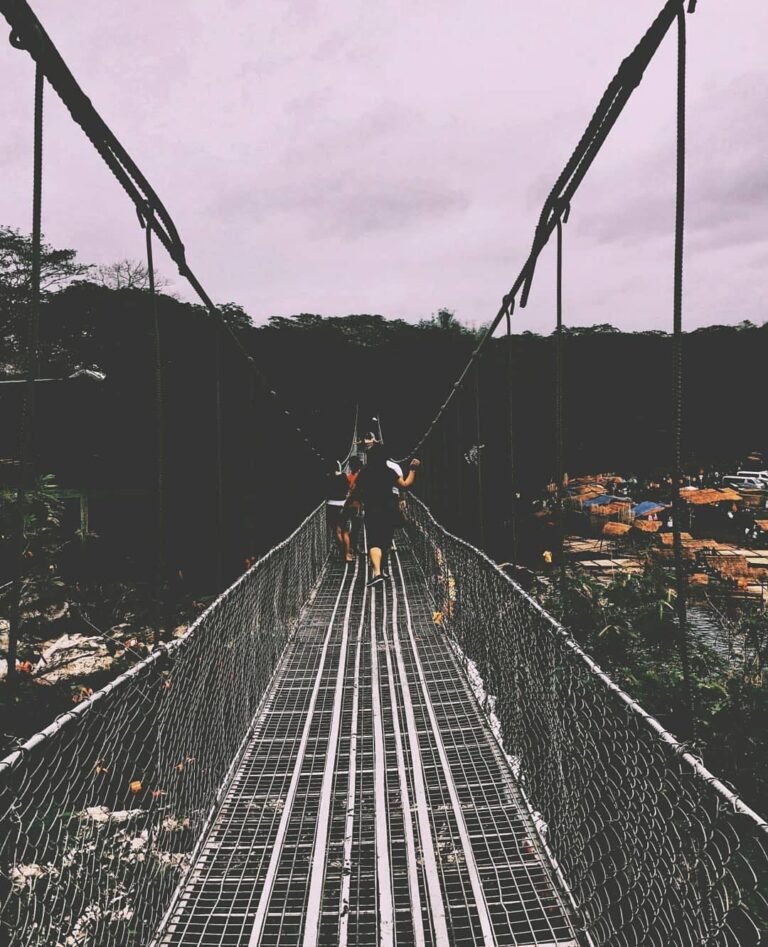
- Do not jump from the rocks or the bridge. People do, and the river bottom is uneven.
- If it rained upstream in the last day, the water will be browner and faster. That is your signal to stay out of it.
- Weekends and holidays are genuinely packed, which makes the water crowded and supervision thinner.
Petty Theft, Markets and Bus Terminals
Ordinary pickpocketing exists at the Cabanatuan central terminal and in the public markets, at about the level you would expect anywhere in provincial Luzon. Keep your phone out of your back pocket and do not put a bag in the overhead of a bus and then fall asleep.
Buses are the other place to pay attention. On overnight or early morning services, keep your daypack between your feet rather than overhead, and do not leave a phone charging in the aisle seat pocket. Nothing dramatic, just the ordinary arithmetic of a crowded vehicle.
The one situation worth naming is the terminal at night. Cabanatuan’s central terminal is on the edge of town and it is busy and disorganised after dark. Arrange your onward tricycle before you get off the bus, or wait inside until morning if you land very late.
Getting There Safely from Manila
Almost everyone arrives by bus, and it is the right call. Five Star, Cisco and Baliwag Transit all run Manila to Cabanatuan from the Cubao and Pasay terminals. Expect roughly PHP 257 to 290 for a regular aircon seat, and about three and a half to four hours if traffic behaves. The SCTEX routing is usually quicker than the Bulacan routing, so ask which one you are buying.
Buses arrive at Cabanatuan City Central Transport Terminal, which sits a little outside the downtown area. From there it is a tricycle or jeepney into town. Agree the fare first.
For Minalungao you continue to General Tinio, which means a jeepney or van from Cabanatuan and then a tricycle to the gate. Doing it as a Manila day trip means leaving before six in the morning. A lot of visitors underestimate this and end up rushing the return leg in the dark, which puts them on exactly the roads worth avoiding at night. Staying one night in Cabanatuan removes the problem for the price of a budget room.
If you drive, the NLEX to SCTEX to Cabanatuan run is straightforward in daylight. Fuel up before you leave the expressway and avoid arriving after dark on your first visit.
Gabaldon Falls and the Quieter Water Spots
Minalungao takes all the attention, but the province has other water. Gabaldon Falls sits further east toward the mountains and sees a fraction of the crowds. The road in is rough and the last stretch may need a habal habal. Fees are small, usually a modest entrance and a local guide arrangement.
The safety note is that these quieter spots have no lifeguards, no railings and no phone signal. That is precisely their appeal and also the reason not to visit them alone. Go with at least one other person, tell your accommodation where you are going, and do not attempt them at all after heavy rain.
The Philippine Carabao Center near the Science City of Munoz is the low risk alternative if you want a half day out that involves no water at all.
The Sierra Madre Edge: Where to Just Turn Back
The eastern uplands of Nueva Ecija, the barangays that climb into the Sierra Madre behind Gabaldon, Bongabon and General Tinio, are remote and lightly governed. There has historically been communist insurgent activity in these mountains, and military operations still happen there occasionally. This is not a tourist safety crisis because no tourist route goes through it.
The rule is simple. Stick to the signposted attractions and the towns. If you find yourself on an unpaved road climbing into the mountains with no other vehicles and no phone signal, turn around. If a local tells you not to go somewhere, take that seriously and do not push for a reason.
Heat, Dengue and Water
The flat rice country gets punishingly hot from March to May, regularly into the high thirties. There is very little shade in a paddy field. Heat exhaustion is a more realistic problem for a visitor here than anything criminal.
Practical heat management matters more than it sounds. Start early, be off the open road by midday, and carry more water than you think you need. There are no shaded rest stops between towns on most of the rice plain routes.
Dengue rises during the rainy months and Nueva Ecija is not spared. Use repellent in the late afternoon, especially near standing water, which in a rice province means almost everywhere. Tap water is not reliable for drinking. Bottled water costs around PHP 20 to 30 for a large bottle and refill stations are cheaper.
Is Cabanatuan Safe at Night
The commercial centre of Cabanatuan is fine to walk in the evening. There are malls, food strips and plenty of people about until roughly ten. Past that, the streets empty quickly and tricycles get scarce.
The honest caveat is that Cabanatuan is a working provincial city, not a tourist town, and some bar areas get rowdy late. The risk is being near a local argument rather than being a target. Leave when a place starts feeling tense, which is advice that works anywhere.
Scams and Overcharging: What to Expect
Very little organised scamming, some casual overcharging. Tricycle drivers may quote a foreigner two or three times the local rate. The fix is to ask your hotel what a trip should cost before you go out, then agree the price before you get in.
At Minalungao, be clear on whether a quoted raft price is per group or per person before you board, because that is where most disputes come from. Nobody is trying to rob you, they are just quoting optimistically.
Solo Travellers, Women and Foreign Visitors
Nueva Ecija is a reasonable place to travel solo. It is a conservative, family oriented farming province and visitors get curiosity rather than hostility. Solo women report the usual Philippine experience, which is a lot of friendly questions and very little harassment.
Foreign faces are uncommon outside Cabanatuan, so expect to be noticed. That attention is almost always benign and often involves being offered food. The practical downside is that you will be quoted foreigner prices more often.
What It Costs to Visit Safely
A day trip from Manila works out at roughly PHP 1,200 to 1,800 per person, covering the bus each way at around PHP 257 to 290, a van or tricycle to Minalungao, entrance and environmental fees, lunch and water.
A weekend is more like PHP 4,000 to 7,000 per person including two nights. Budget rooms in Cabanatuan start around PHP 800 to 1,200, mid range business hotels sit at roughly PHP 1,800 to 3,000, and the better resorts near the park run PHP 3,500 and up. The Nueva Ecija accommodation guide breaks the areas down properly.
Paying a bit more for a hotel with a generator matters more here than the star rating, because brownouts are common in storm season.
What to Skip
A few honest negatives. Cabanatuan itself is not a sightseeing city, and travellers who base themselves there expecting charm are usually disappointed. It is a good transport and hotel base and that is all.
Skip Minalungao entirely on a long weekend or a public holiday unless crowds do not bother you. The gorge is beautiful and it is also completely full, with sound systems, and the safety supervision spread thin.
Skip the wet season if you have any flexibility at all, and skip motorcycle rental full stop. If your main interest is beaches you are in the wrong province, and Aurora across the Sierra Madre is where you should be heading instead.
Emergency Numbers and Where to Get Help
The national emergency hotline is 911 and works for police, fire and ambulance. The Philippine Red Cross is 143. For anything serious, the referral hospitals are in Cabanatuan, and for major trauma you may be moved to Manila, which is a three to four hour drive. That distance is the strongest argument for travel insurance on this trip.
Tell someone your plan if you are heading to the park alone. Phone signal is patchy inside the gorge.
Once you have the safety side settled, the things to do in Nueva Ecija list is the natural next read, and Tarlac pairs well if you are building a wider Central Luzon loop.
Quick FAQ
Is Nueva Ecija safe for tourists right now? Yes. There is no travel advisory against Nueva Ecija and no pattern of crime against visitors. Plan around road safety and the weather rather than crime.
Is Cabanatuan safe to walk at night? The commercial centre is fine until around ten in the evening. After that tricycles thin out and it is better to arrange transport rather than walk unfamiliar streets.
Is Minalungao National Park dangerous? The park is safe if you respect the river. Injuries come from jumping off rocks, swimming after upstream rain and skipping life vests on the rafts, not from crime.
When should I avoid visiting Nueva Ecija? July to November is typhoon and flood season, with September and October usually worst. March to May is extremely hot with little shade.
Are there insurgency risks in Nueva Ecija? There has been historic communist insurgent activity in the remote Sierra Madre uplands on the eastern edge. No tourist route passes through those areas, so staying on signposted attractions and main roads keeps you clear of it.
How much does a safe day trip to Nueva Ecija cost? Roughly PHP 1,200 to 1,800 per person from Manila, including bus fares of around PHP 257 to 290 each way, local transport, park fees and food.