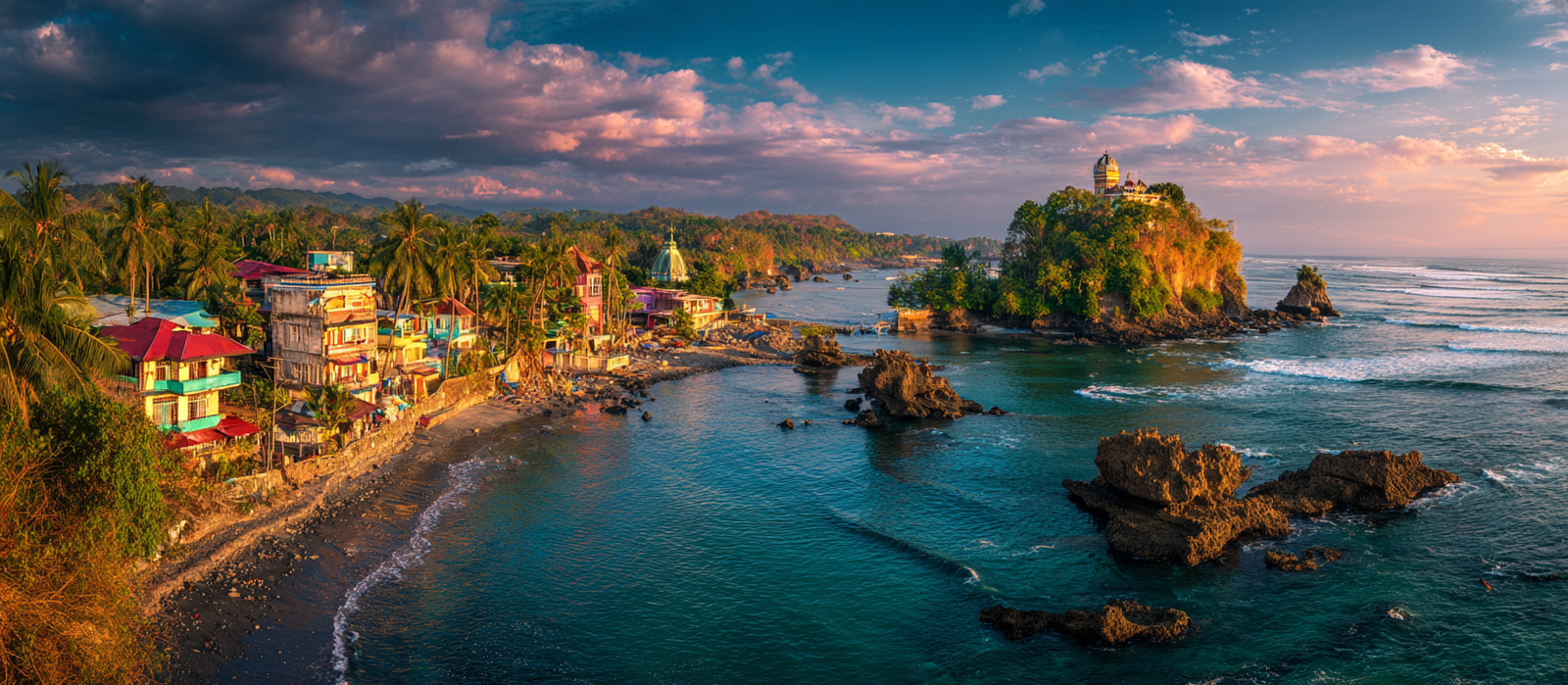

Iligan City doesn’t get the tourism spotlight that Cebu or Boracay do, and honestly, that’s part of its appeal. Tucked into the north coast of Mindanao, it’s earned the nickname “City of Majestic Waterfalls” for good reason: more than twenty cascades tumble through its volcanic hills, from the postcard-famous Tinago Falls to the raw industrial power of Maria Cristina Falls. A lot of would-be visitors hesitate because “Mindanao” still triggers outdated worries in some people’s minds. In reality, Iligan is a working, welcoming city where daily life looks like anywhere else in the Philippines: jeepneys, market stalls, church bells, and people who are genuinely happy to point you toward the next waterfall.
This Iligan travel guide covers everything you need before you book: how to actually get there, what a realistic budget looks like in PHP, where to stay across three price brackets, which waterfalls are worth the climb, and a few things we’d skip if we were doing the trip again.
Getting to Iligan City
Iligan doesn’t have its own airport, so nearly everyone arrives through Laguindingan Airport (CGY), which sits roughly 50 kilometers east of the city and mainly serves Cagayan de Oro. Philippine Airlines, Cebu Pacific, and AirAsia all run daily flights into CGY from Manila and Cebu, and fares booked a few weeks out are usually reasonable. If you’re coming from outside the Philippines, you’ll first clear immigration in Manila, Cebu, or Davao (most nationalities, including US, UK, EU, and Australian passport holders, get a visa-free stay of up to 30 days on arrival) and then connect to a domestic flight to CGY.
From Laguindingan Airport, vans and airport buses run directly to Iligan; the ride takes around 1.5 to 2 hours depending on traffic through Cagayan de Oro. If your flight lands in Cagayan de Oro itself, regular buses leave from the city’s Westbound Terminal roughly every hour between early morning and around 9 p.m., with tickets running about PHP 100 to 150 for a trip of around two hours. We’d genuinely recommend routing through our Cagayan de Oro travel guide first if you’re unfamiliar with the region, since CDO is the practical gateway to this whole corner of Mindanao, including Iligan and the wider Lanao del Norte province that Iligan sits in.
Coming from Davao is technically possible by bus, but it’s a long, winding 8 to 10 hour haul that we wouldn’t recommend unless you’re already road-tripping through Mindanao. Flying into CGY and busing over is faster, cheaper on your energy, and honestly just easier.
Getting Around Once You’re There
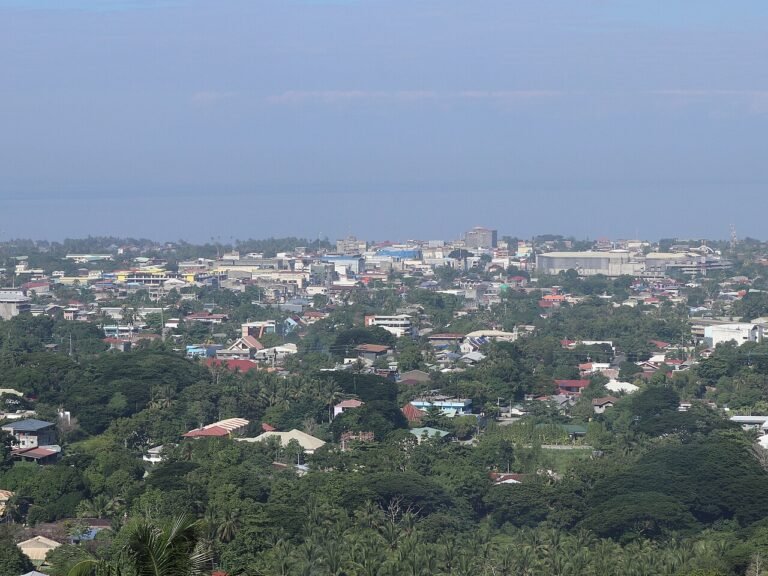
There’s no Grab or Uber in Iligan, and taxis with actual meters are rare. The city runs on jeepneys and tricycles for short hops around the center, usually costing PHP 10 to 30 depending on distance. For anything outside the city proper, especially the waterfalls scattered in the hills, you’ll want a habal-habal (motorcycle taxi) or a multicab, and it’s worth agreeing on the fare before you climb on since none of them run meters. Many travelers just hire a tricycle or multicab driver for a half-day waterfall circuit; expect to negotiate somewhere around PHP 800 to 1,500 for several stops, split between however many people you’re traveling with.
Best Time to Visit Iligan
Dry season, roughly November through May, is the easiest time to visit. December through February tends to be cooler and more comfortable for walking around, while March to May gets hot and is peak season for domestic travelers, so book accommodation a few weeks ahead if you’re going then. June through October is wet season, and it genuinely changes the experience: the 300-plus steps down to Tinago Falls get slick, some of the more remote falls become harder to reach safely, and flash flooding isn’t unheard of after heavy rain. It’s not a dealbreaker, waterfalls are obviously more dramatic with more water, but go in with realistic expectations about mud and slippery trails. If your dates land in late September, keep an eye out for the Diyandi Festival, Iligan’s founding anniversary celebration, which brings street dancing and local food stalls into the city center.
Where to Stay in Iligan City
Budget (around PHP 800-1,200 a night): Guesthouses and inns like RedDoorz branches near MSU-IIT or simple travelers’ lodges near the city center cover the basics: clean room, fan or aircon, hot water that may or may not be reliable. Fine for backpackers who plan to be out at waterfalls most of the day anyway.
Mid-range (around PHP 1,500-2,800 a night): Go Hotels Iligan and similar chain-style hotels give you dependable aircon, decent wifi, and a proper breakfast option, all within easy reach of transport hubs and restaurants. This is the sweet spot for most visitors and where we’d point first-timers.
Upscale (around PHP 3,500 and up): Options thin out considerably here since Iligan isn’t a resort town, but a handful of larger business hotels offer bigger rooms, restaurants on site, and event-grade amenities aimed at conferences as much as tourists. Don’t expect boutique or beachfront luxury; this is a working city, not Boracay.
What a Day (or Weekend) in Iligan Really Costs
Budgeting in PHP, here’s roughly what a no-frills day looks like: breakfast at a local carinderia (around PHP 80-120), a habal-habal or multicab day out to two or three waterfalls (around PHP 400-800 per person if you’re splitting a group rate), waterfall entrance fees (typically PHP 50-100 each), lunch and dinner at local eateries (around PHP 150-250 per meal), and a budget room (around PHP 1,000). That puts a lean single-day budget somewhere around PHP 1,800-2,500 total, not counting your transport into the city.
Stretch that into a weekend and add a second night’s accommodation, a sit-down dinner somewhere nicer (budget an extra PHP 300-500), and maybe a side trip to Dahilayan for ziplining near Cagayan de Oro (entrance and zipline packages run a few hundred pesos more) and you’re looking at roughly PHP 5,000-7,000 per person for a comfortable two-day trip, tricycle rides, waterfall fees, meals, and a mid-range room included. It’s not a cheap-and-cheerful backpacker stop by Philippine standards, but it’s still far more affordable than most beach destinations that see heavier tourist traffic.
Top Things to See and Do
The waterfalls are the reason most people come, and honestly, two full days is the minimum if you want to see the best of them without rushing.
Tinago Falls: The name means “hidden,” and it earns it: you’ll descend more than 300 winding steps into a ravine before the falls, around 240 feet of it, come into view over an emerald pool. You can swim, or pay a small boatman’s fee to raft right up under the curtain of water. Entrance runs around PHP 50 per person, plus a small fee if you want the raft ride. Budget real time (and leg strength) for the climb back up.
Maria Cristina Falls: This one isn’t for swimming, it’s for sheer scale. At nearly 320 feet across twin tiers, it’s a major power source for Mindanao via the Agus VI hydroelectric plant, and it was actually closed to visitors for several years due to landslide damage before reopening. Check current access before you go, since conditions can change with weather. When it’s open, the viewing deck and NAPOCOR eco-park give you a genuinely impressive, slightly industrial view that’s different from anything else on this list.
Mimbalut Falls and the smaller cascades: Beyond the two headliners, Iligan has dozens of lesser-known falls scattered through the hills, most requiring a habal-habal and a short hike. They’re quieter, often free or close to it, and a good option if Tinago feels too crowded on a weekend.

Where to Eat in Iligan City
Iligan’s food scene blends Mindanaoan flavors with familiar Filipino comfort food. The dish to seek out is surol, a local chicken stew simmered in coconut milk with a distinct blend of spices; you’ll find it at small carinderias more often than in fancier restaurants, and it’s worth asking locals where they’d go rather than trusting the first place you stumble on. Grilled seafood and fresh produce from the public market are reliably good and cheap, and the city has a solid, unglamorous selection of Filipino fast food and turo-turo (point-and-eat) spots where a full meal rarely runs more than PHP 150-200. It’s not a foodie destination in the Instagram sense, but it’s honest, filling food at fair prices.
What to Skip (and Why)
Not everything in Iligan is worth your limited time. Skip renting a self-drive car if you can; parking in the city center is a hassle and the roads out to the falls are narrow and better handled by a local habal-habal driver who knows the terrain. If Maria Cristina Falls happens to be closed for maintenance or weather-related repairs when you visit, don’t force it, the eco-park view is nice but not worth rearranging your whole itinerary around; put that time toward a second lesser-known waterfall instead. And if you’re only passing through for a single afternoon between CDO and points further into Mindanao, be honest with yourself: Iligan rewards travelers who give it at least a full day, and rushing it means you’ll mostly just see the inside of a habal-habal.
Safety, Etiquette, and Practical Tips
Iligan is generally safe for tourists who use the same common sense they’d use anywhere else: keep valuables out of sight, agree on fares before you ride, and avoid wandering into unlit areas alone late at night. Mindanao as a whole carries an outdated reputation from decades past, but daily life in Iligan looks exactly like any mid-sized Philippine city. If you’re heading to more remote waterfalls, going with a local guide or driver rather than solo is both safer and more respectful of areas that occasionally see security patrols.
Cebuano is the dominant local language, though Tagalog and English are both widely understood, especially among younger people and anyone working in tourism. A simple “salamat” (thank you) goes a long way. Mobile coverage from Globe and Smart is solid in the city proper and patchy near some of the more remote falls, so download offline maps before you head out. Dress modestly at religious sites, wear quick-dry clothing for waterfall days, and please pack out your own trash, several of these falls don’t have regular waste collection.
More Iligan Guides
Pair this with what to actually do and where to base yourself.
- Top Things to Do in Iligan: The Complete Guide to the City of Waterfalls
- Where to Stay in Iligan: Best Areas & Hotels for Every Budget
- Is Iligan Safe for Tourists? What to Know Before You Go
Quick FAQ
Is Iligan City safe to visit? Yes, for the vast majority of travelers. Stick to well-visited waterfalls and the city center, use common travel sense, and you’re very unlikely to run into trouble.
How do I get from Cagayan de Oro to Iligan? Regular buses run from CDO’s Westbound Terminal, taking around 1.5 to 2 hours and costing roughly PHP 100 to 150 one way. Vans are also available and a bit faster but pricier.
How many days do you need in Iligan? Two full days is realistic if you want to see Tinago Falls, Maria Cristina Falls, and one or two smaller cascades without rushing. One day works if you’re only after the two headline falls.
Is Maria Cristina Falls open right now? It’s reopened after a multi-year closure for landslide repair, but access can shift with weather and maintenance, so it’s worth checking locally or with your accommodation before planning your day around it.
What’s the best time of year to visit Iligan’s waterfalls? Dry season, roughly November through May, gives you the safest trail conditions. Wet season (June to October) means fuller, more dramatic waterfalls but muddier, slipperier paths.
Do I need a visa to visit the Philippines? Most travelers from the US, UK, EU, Australia, and many other countries can enter visa-free for up to 30 days. Check your specific nationality’s requirements before booking.
Iligan isn’t trying to be the next big Philippine tourist hotspot, and that’s exactly why it’s worth the detour. Give it a proper day or two, budget for a habal-habal driver who knows the back roads, and you’ll come away with a side of Mindanao that most travelers never bother to see. If you’re mapping out a wider northern Mindanao route, our guides to Dipolog and Camiguin are both worth a look for extending the trip beyond Iligan.
More Philippines Travel Guides
Planning a longer trip? These lesser-visited provinces pair well with a Philippines itinerary: