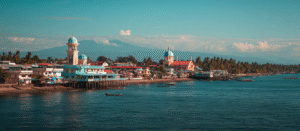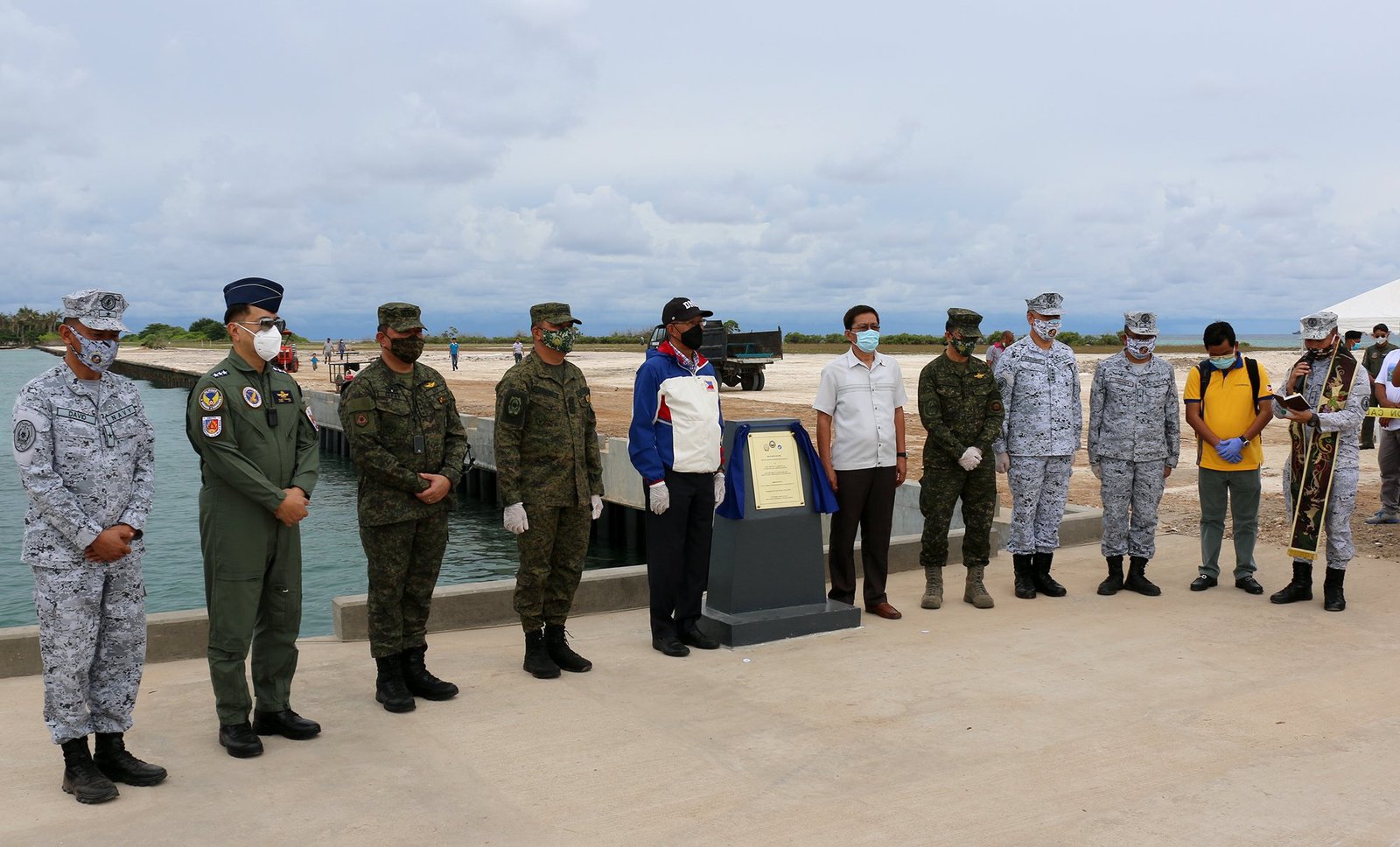

If you searched for a “Kalayaan Islands travel guide,” there’s a good chance you pictured another postcard-perfect Palawan beach trip. It’s not that. The Kalayaan Islands (officially the Kalayaan Island Group, a real but very unusual municipality of Palawan) sit far out in the West Philippine Sea, and for most of the last few decades they were effectively closed to ordinary travelers. That’s changing, but only a little, and only in one very specific, very supervised way. This guide lays out exactly what’s true right now: what the place actually is, who can realistically go, how the current civilian tour program works, what it costs, and what to see instead if you just want a great Palawan beach holiday without months of paperwork.
What (and Where) Are the Kalayaan Islands?
Kalayaan is a municipality of Palawan province, but unlike every other town in the province, it isn’t on the main island. It covers a scattered group of reefs, sandbars, and small islands in the Spratly archipelago, out in the West Philippine Sea (the part of the South China Sea within the Philippines’ claimed maritime zones). The Philippine government administers this area as the Kalayaan Island Group, or KIG.
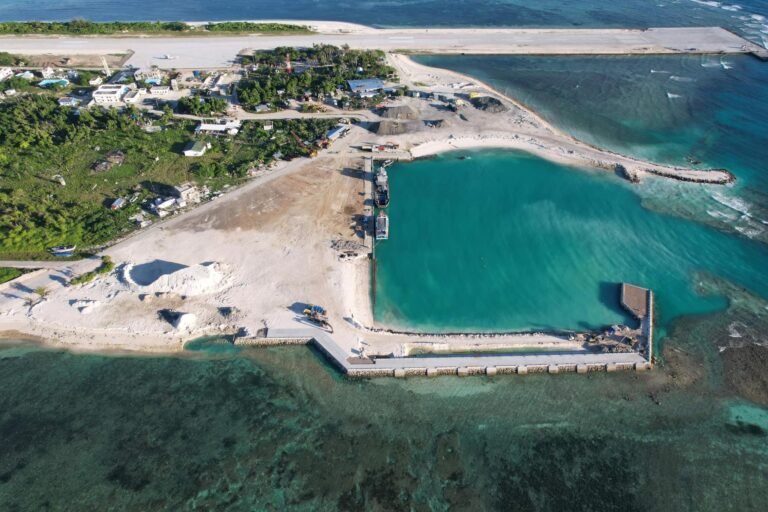
The seat of the municipal government is Pag-asa Island, also known internationally as Thitu Island, the second largest of the naturally occurring Spratly islands. It’s home to a small, genuine civilian community (roughly 200 residents, alongside military and coast guard personnel), plus a school, a health center, a chapel, and a small port. Other features in the group, like Lawak, Patag, and Likas, are even more remote, and most of them are not open to visitors at all.
This is not a resort town. There are no hotels, no beach bars, and no tricycles waiting at a pier. It’s a frontier outpost that happens to also be, technically, part of Palawan.
Not the Same as Kalayaan, Laguna
Quick but important detour: if what you actually want is waterfalls, a lake, and an easy weekend trip, you might be thinking of a different Kalayaan altogether. Kalayaan, Laguna is a small town near Lake Caliraya, a couple of hours from Manila, with the Kalayaan Twin Falls, a Spanish era church, and lakeside resorts built around water sports. It has zero connection to the West Philippine Sea municipality this guide covers, other than sharing a name (kalayaan means “freedom” in Filipino, so it gets reused a lot as a place name). If that sounds more like what you had in mind, that’s a much simpler, much more typical Philippine day trip, worth its own separate search.
Can Tourists Actually Visit the Kalayaan Islands?
Here’s the honest answer, since a lot of older articles (including an earlier version of this one) get this wrong or out of date: yes, but in a very narrow, curated way, and only to Pag-asa Island, not the wider island group.
For years, civilian access was essentially limited to government delegations, journalists on official trips, or the occasional scientific expedition, all requiring special clearance. That’s still mostly true. But the Municipality of Kalayaan, with backing from the Philippine Coast Guard and the Department of Tourism, has started running an official civilian program often called “patriotic tourism” or the Balik-Kalayaan tour. It’s real, it’s bookable (if you’re selected), and it’s not the same as a normal beach vacation.
You cannot show up as a walk-in tourist. You cannot book it through a travel agency or an online booking site. Slots are limited (recent batches have opened as few as 15 spots), and applicants typically have to submit a short pitch, sometimes literally a two to three minute “why should we pick you” video, through the tourism office’s official Facebook page. Selection and vetting take time, and the whole point of the program is framed around sovereignty and patriotism rather than leisure.
The rest of the Kalayaan Island Group, beyond Pag-asa, remains off limits to civilians. Don’t expect to island hop through the KIG the way you would in El Nido.
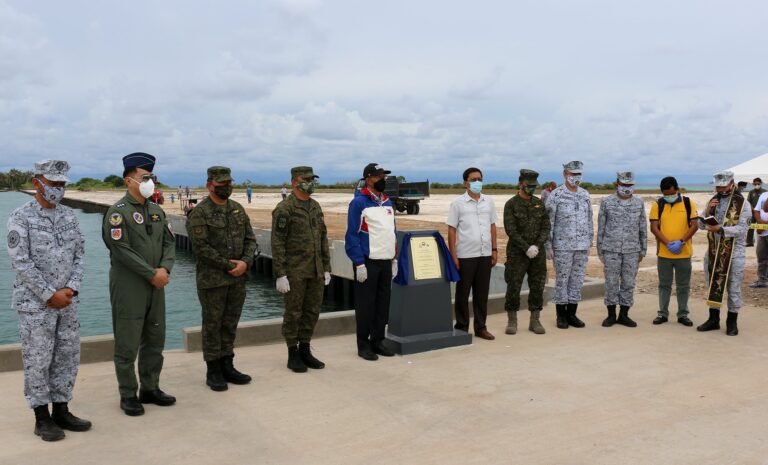
How to Apply, Get There, and What It Costs
If you want to try, here’s roughly how the process works based on recent tour batches:
- Apply through the Kalayaan Municipal Tourism Office, usually via their official Facebook page or email, following whatever application window and format they post (a video pitch has been a recurring requirement).
- Wait for selection. These trips run in small batches, not on demand, and are typically framed as week long immersions (around seven days and six nights has been common) rather than a quick weekend visit.
- Get to Palawan first. Everyone starts with a regular commercial flight into Puerto Princesa International Airport, same as any other Palawan trip.
- Take the boat. From there, most tours depart by sea from Puerto Princesa or the port of Buliluyan in Bataraza. Expect a long haul, roughly 30 to 56 hours depending on the vessel and sea conditions, not a quick island transfer.
- Or, rarely, fly. A small airstrip, Rancudo Airfield, exists on Pag-asa Island, but flights are infrequent, mostly reserved for government and military movement, and not something a civilian applicant should plan around.
On cost: recent packages for non-resident participants have started at around PHP 30,000, generally covering meals and basic accommodation for the trip. Some past packages ran higher, up to roughly PHP 85,000 for a longer expedition covering additional islands. More recent published homestay and cabin rates have ranged from around PHP 16,650 for a solo homestay stay up to around PHP 57,750 for a four person homestay building, with some editions of the program including free roundtrip sea transport from Buliluyan as part of the package. Palawan residents have in some editions been offered free transport as well. Prices change between batches, so treat any figure here as a rough starting point, not a quote, and always confirm current rates directly with the tourism office before planning around them.
What Life on Pag-asa Island Is Actually Like
This is the part worth being blunt about: it’s not a resort, and it isn’t trying to be one. There are no hotels or short term rentals. Visitors on the civilian tour program typically stay in homestays with resident families, small government run cabins, or basic bunkhouses. Expect shared, simple facilities.
Electricity and water are limited and often rationed. Mobile signal is weak to nonexistent in a lot of the program’s history, though the most recent tour packages have started including limited island based WiFi as a perk, which is a genuine improvement but still not something to rely on. There are no restaurants, convenience stores, or pharmacies, so anything you might need, from medication to sunscreen to snacks, needs to come with you. Meals are generally included in the tour package and prepared locally, often simple and dependent on what can be shipped or grown on the island.
Daily life for the roughly 200 permanent residents revolves around fishing, the small school, the health center, and the rhythms of a military and coast guard presence that keeps the settlement running. It’s genuinely interesting to see, but it’s an immersion into a working frontier community, not entertainment built for visitors.
Why This Matters: The West Philippine Sea Context
It’s worth understanding why this tourism program exists at all. The Kalayaan Island Group sits inside waters that China also claims, and Chinese coast guard and maritime militia vessels are a regular, visible presence around Pag-asa Island. The Philippine government’s civilian tourism push is explicitly tied to asserting a continued Filipino presence and sovereignty in the area, sometimes described in local coverage as a form of “soft protest” through tourism, backed by the Philippine Coast Guard.
That context matters for anyone considering the trip. This is an active geopolitical flashpoint, not a quiet backwater. Trips are coordinated closely with local government and security agencies specifically because the area requires that level of oversight. If you’re the kind of traveler who wants total predictability and zero government involvement in your itinerary, this isn’t the trip for you. If you’re drawn to the idea precisely because it’s a working outpost with real stakes, that’s a more honest reason to apply.
Who Should (and Shouldn’t) Consider This Trip
This program tends to suit people motivated by the story and the sovereignty angle as much as the scenery: Filipino citizens interested in the West Philippine Sea issue, journalists, researchers, and travelers who genuinely want an immersion experience rather than a beach holiday. It’s demanding: multi day boat travel, basic living conditions, limited connectivity, and a selection process you might not pass.
It’s probably not for you if you want guaranteed dates, resort comfort, easy diving or snorkeling logistics, or a trip you can book this week for a holiday next month. For that kind of Palawan trip, the good news is that the rest of the province delivers all of it without any of the red tape.
If You Want Palawan Without the Red Tape: Real Alternatives
If the Kalayaan Islands caught your interest but the logistics above sound like more than you signed up for, the rest of Palawan has plenty of genuinely visitable, similarly stunning destinations that don’t require an application video or a two day boat ride:
- El Nido, for limestone cliffs, lagoons, and island hopping tours. See our guide to getting from Puerto Princesa to El Nido.
- Coron, known for its WWII wreck diving and Kayangan Lake. Compare routes in our El Nido to Coron travel guide or Manila to Coron travel guide.
- Port Barton, a quieter, more laid back alternative to El Nido with its own island hopping scene. Check out our things to do in Port Barton.
- San Vicente, home to the Philippines’ longest white sand beach and far fewer crowds. Read our things to do in San Vicente, Palawan.
- Puerto Princesa itself, jumping off point for the Underground River and a good base if your itinerary is short on time.
All five are open, easy to book, and don’t require government vetting to enjoy.
Quick FAQ
Can tourists visit the Kalayaan Islands? Only in a limited way. Civilians can currently apply for an official curated tour to Pag-asa Island through the Kalayaan Municipal Tourism Office’s patriotic tourism program. Walk-in or independently arranged travel isn’t possible, and the rest of the Kalayaan Island Group beyond Pag-asa is not open to the public.
Is it safe to visit Pag-asa Island? Trips are organized and escorted with support from the Philippine Coast Guard specifically because the West Philippine Sea is an active area of maritime tension, with a regular presence of Chinese vessels nearby. It’s not a typical tourism safety profile, and applicants should go in with realistic expectations rather than treating it like a standard beach trip.
How much does a Kalayaan Islands trip cost? Recent civilian tour packages have started at around PHP 30,000 for non-residents, with published homestay and cabin rates roughly between PHP 16,650 and PHP 57,750 depending on the accommodation type and group size. Costs vary by batch, so confirm current pricing directly with the tourism office.
How do you get to Pag-asa Island? Almost everyone travels by sea, departing from Puerto Princesa or Buliluyan port in Bataraza, with a journey of roughly 30 to 56 hours. A small airfield on the island handles occasional flights, but these are rare and mostly reserved for government or military use.
Is this the same as Kalayaan, Laguna? No. Kalayaan, Laguna is a separate, easily visitable town near Lake Caliraya with waterfalls and lakeside resorts. This guide covers Kalayaan, Palawan, the West Philippine Sea municipality.
What should I pack if I’m selected for the tour? Bring everything you might need since there are no shops on the island: basic first aid supplies, personal medication, insect repellent, sun protection, and a power bank. Plan to bring your trash back with you, since waste management on the island is extremely limited.
The Kalayaan Islands aren’t a typical Philippine getaway, and this guide won’t pretend otherwise. If the story and the sovereignty angle genuinely pull at you, the patriotic tourism program is a real, if narrow, door in. If you just want a great Palawan trip this year, El Nido, Coron, Port Barton, San Vicente, and Puerto Princesa will treat you far better, with none of the waiting list.
More Philippines Travel Guides
Planning a longer trip? These lesser-visited provinces pair well with a Philippines itinerary: