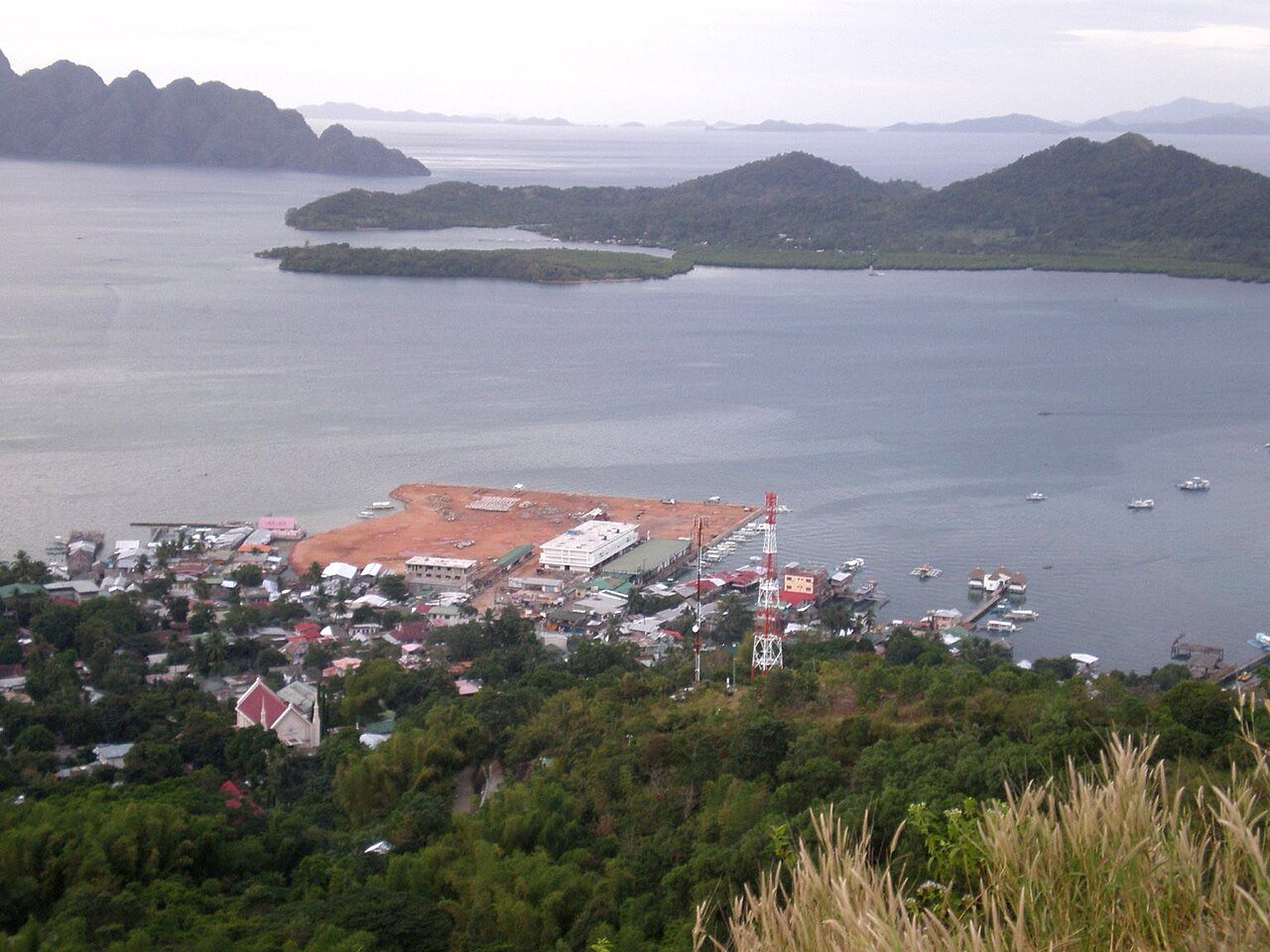

Getting from Manila to Coron is one of those routes where the cheapest option and the sensible option are very far apart. You can fly and be there in an hour, or you can take a ferry and give up most of a day. Which one is right depends almost entirely on how much time you have and how much luggage you are carrying.
This guide compares every Manila to Coron option, including the 2GO ferry, the direct flights to Busuanga, and the routes people try to piece together through El Nido. Our wider Palawan travel guide covers the province as a whole. Prices are in Philippine pesos and are rough guides from mid 2026, since airfares in particular swing enormously.
The Quick Comparison
Flying: roughly 1 hour in the air, roughly 2,500 to 8,000 PHP one way. The obvious choice for almost everyone.
2GO ferry: roughly 13 to 15 hours, roughly 1,800 to 4,100 PHP depending on cabin class. Limited departures, usually once or twice a week.
Via El Nido: only makes sense if you were going to El Nido anyway. The El Nido to Coron fast ferry is a separate journey of roughly 3.5 to 4 hours.
If you take nothing else from this page: fly, unless you have a specific reason not to. The ferry is not meaningfully cheaper than a budget flight booked a few weeks out, and it costs you a day.
Option 1: Flying from Manila to Busuanga
Coron’s airport is Francisco B. Reyes Airport, universally called Busuanga, with the code USU. It sits on the northern part of Busuanga Island, roughly 30 to 45 minutes from Coron town by road.
Airlines: Philippine Airlines, Cebu Pacific and AirSWIFT all serve the route from Manila, though schedules change and not every carrier flies daily. Flight time is roughly 1 hour to 1 hour 15 minutes.
Fares: booked two to three months ahead on a seat sale you can find fares around 1,500 to 2,500 PHP one way. Two to three weeks ahead expect roughly 3,000 to 5,000 PHP. Booking within a week, or travelling in December and around Holy Week, can push it past 8,000 PHP. AirSWIFT is consistently the most expensive of the three and flies a smaller aircraft.
Baggage is the catch. Cebu Pacific’s cheapest fares include only a small cabin bag, and the aircraft on this route are small enough that checked baggage allowances are tighter than usual. Add the baggage at the time of booking rather than at the airport, where it costs substantially more.
Getting from the airport to town: shared vans meet the flights and charge roughly 150 to 300 PHP per person to Coron town. A private van or tricycle is roughly 800 to 1,500 PHP. Most accommodation will arrange a pickup, which is usually priced somewhere in between.
The honest downside: Busuanga is a small airport with a short runway and weather cancellations are genuinely common in the wet season. Flights are also frequently retimed. Do not book an onward international flight from Manila on the same day you fly out of Busuanga. Leave a night’s buffer.
Option 2: The 2GO Ferry from Manila to Coron
2GO Travel runs the only regular passenger ferry between Manila and Coron. This is the “manila to coron ferry” most people are searching for, and the reality is more limited than the search volume suggests.
Schedule: typically one or two sailings a week, historically departing Manila on a Friday afternoon and returning from Coron on a Sunday. Schedules change seasonally and this route has been suspended and reinstated more than once, so check the current timetable directly with 2GO before planning around it.
Journey time: roughly 13 to 15 hours. A Friday afternoon departure gets you in early Saturday morning.
Departure point: Pier 4, Eva Macapagal Terminal, at Manila North Harbor. Allow plenty of time to get there, Manila traffic near the port is bad, and if you need a night in the capital first see where to stay in Manila and check in closes well before departure.
Fares: roughly 1,800 to 2,500 PHP for the open air or tourist class bunks, and roughly 3,000 to 4,100 PHP for cabins with fewer beds and air conditioning. The upgrade is worth it on an overnight crossing.
What is genuinely good about it: the baggage allowance is enormous, commonly around 50 kilos per ticket. If you are moving with dive gear, surfboards or a long term travel load, the ferry solves a problem that flying creates expensively. The overnight sailing also saves you a night of accommodation.
The honest downsides: the crossing can be rough, particularly between June and October. Facilities are basic, food on board is poor and expensive, and the tourist class bunk decks are noisy and open. Delays of several hours are routine. If you get seasick, do not do this.
Option 3: Going Via El Nido
A lot of people combine Coron with El Nido, and the two are connected by fast ferry rather than by any Manila route.
You would fly Manila to El Nido (airport code ENI, served by AirSWIFT at a premium) or Manila to Puerto Princesa and then take the long van ride north. From El Nido, the fast ferries to Coron run roughly 3.5 to 4 hours at around 1,800 to 2,600 PHP.
This is a good itinerary, and our Manila to El Nido guide covers that leg. It is not a good way to get to Coron on its own. If Coron is your only Palawan stop, fly direct.
Option 4: The Routes That Do Not Work
Worth stating plainly, because people ask.
There is no bus from Manila to Coron. Coron is on Busuanga Island in the Calamian group, separated from both Luzon and mainland Palawan by open sea. No road connects them.
There is no ferry from Puerto Princesa to Coron. Despite both being in Palawan province, there is no reliable direct passenger service. You would go via El Nido.
Atienza Interisland and other RORO operators have run Manila to Coron services at times, at fares around 1,700 PHP. Availability is inconsistent and information online about journey times is unreliable. Treat any RORO option as something to verify by phone before you count on it.
Which Option Should You Actually Take
Fly if: you have under two weeks in the country, you are travelling with normal luggage, or your time is worth more than roughly 200 PHP an hour. This covers most people.
Take the ferry if: you are carrying dive or surf gear, you are on a long slow trip and the schedule happens to fit, or you actively want the overnight sea crossing as part of the experience. Some people do, and on a calm night it is a good one.
Go via El Nido if: you were visiting El Nido anyway. Do not add El Nido purely to reach Coron.
What It Costs Door to Door
Flying, booked ahead: airport transfer in Manila around 400 PHP, flight around 3,000 PHP, van to Coron town around 250 PHP. Roughly 3,650 PHP and about five hours door to door.
Ferry: transport to Pier 4 around 300 PHP, tourist class ticket around 2,200 PHP, food on board around 500 PHP, transfer in Coron around 100 PHP. Roughly 3,100 PHP and about eighteen hours door to door.
The saving is around 550 PHP for thirteen extra hours. That is the whole argument, and it is why the flight wins for most travellers.
Booking Tips for This Route
Comparing this with the other big island run? Our Manila to Boracay guide works through the same trade offs.
Set a fare alert and book the flight two to three months out. This route has a wide spread between the seat sale price and the walk up price, wider than most domestic Philippine routes.
Avoid the first flight of the day in the wet season if you have a tight connection, since the earliest slots are the ones most often cancelled for weather at Busuanga.
Book the ferry through the 2GO website or a ticketing office rather than a reseller, since resellers add a margin and are slower to reflect schedule changes on a route that changes often.
If your plan is Manila, then Coron, then El Nido, book the Coron to El Nido ferry a few days ahead in high season. It sells out.
Where to Stay When You Arrive
Coron town is compact and most accommodation sits within a few streets of the main road. Budget rooms and hostels run roughly 600 to 1,200 PHP, mid range hotels roughly 2,000 to 4,000 PHP, and the island resorts outside town considerably more. Staying in town is far more practical for tours, since every island hopping boat leaves from the town pier. For something further out, island camping in Coron covers the multi day boat trips.
If you arrive on the overnight ferry, note that check in at most places is early afternoon. Message ahead and ask to drop bags, which almost everywhere will allow.
What to Expect on Arrival Day
However you arrive, the first afternoon in Coron follows a fairly predictable pattern and knowing it saves you a wasted day.
Tours are booked the day before, not the morning of. Every agency in town sells much the same set of island hopping trips, and boats leave between roughly 8 and 9am. If you land at 2pm and want to be on the water the next day, walk into town and book that afternoon. Group tours run roughly 1,500 to 2,500 PHP per person including lunch, and the Coron environmental fee is around 200 PHP one time.
The other arrival day job is cash. ATMs in Coron town exist but are few, they charge fees, and they run empty during long weekends and after storms when resupply is delayed. Most tour operators, tricycles and small eateries are cash only. Draw what you need in Manila or at the airport before you come, because being stuck without pesos in Coron is a genuinely common traveller problem.
If you still have daylight, Mount Tapyas is the standard first evening. Roughly 700 steps up from town, free, and the view over the karst islands at sunset is the best free thing in Coron. Take water, it is steeper than it looks.
Best Time to Make This Trip
The route is weather sensitive at both ends, which is worth factoring into when you book.
December to April is the dry season and the reliable window. Flights run close to schedule, the sea is calm, and island hopping goes ahead almost every day. It is also the most expensive stretch, and the Christmas to New Year period sells out early on both flights and ferries.
May and November are the shoulders and are the best value. Prices soften, the weather is usually still good, and Coron is much quieter.
June to October is the wet season and the southwest monsoon. This is when flights to Busuanga get cancelled, the ferry crossing gets rough, and boat tours are called off at short notice. It is not a write off, and rain often comes in short heavy bursts rather than all day, but build slack into your itinerary. Typhoons passing north of Palawan can shut the sea down for two or three days at a time.
Whichever season you travel in, the single most useful habit on this route is leaving a buffer night in Manila before any international departure. Busuanga is not an airport to gamble a long haul connection on.
Quick FAQ
Is there a ferry from Manila to Coron? Yes. 2GO Travel runs the route, typically once or twice a week, taking roughly 13 to 15 hours from Pier 4 at Manila North Harbor. Fares run roughly 1,800 PHP for tourist class up to around 4,100 PHP for a cabin. Schedules change often, so confirm directly with 2GO.
How long does it take to get from Manila to Coron? Around 1 hour by air to Busuanga airport, plus 30 to 45 minutes by road into Coron town. By 2GO ferry it is roughly 13 to 15 hours, or about 18 hours door to door.
How much does a flight from Manila to Coron cost? Roughly 1,500 to 2,500 PHP one way if you book two to three months ahead on a seat sale, roughly 3,000 to 5,000 PHP a few weeks out, and over 8,000 PHP at short notice or in December.
Is the ferry cheaper than flying to Coron? Barely. Door to door the ferry works out around 3,100 PHP against around 3,650 PHP for a flight booked in advance. You save roughly 550 PHP and lose about thirteen hours. The ferry only really wins on baggage allowance, which is around 50 kilos.
Can you take a bus from Manila to Coron? No. Coron is on Busuanga Island in the Calamian group, with no road connection to Luzon or mainland Palawan. Your only options are flying or the sea crossing.
Which airport do you fly into for Coron? Francisco B. Reyes Airport, code USU, usually just called Busuanga. It is roughly 30 to 45 minutes from Coron town, with shared vans meeting flights at around 150 to 300 PHP per person.