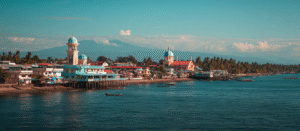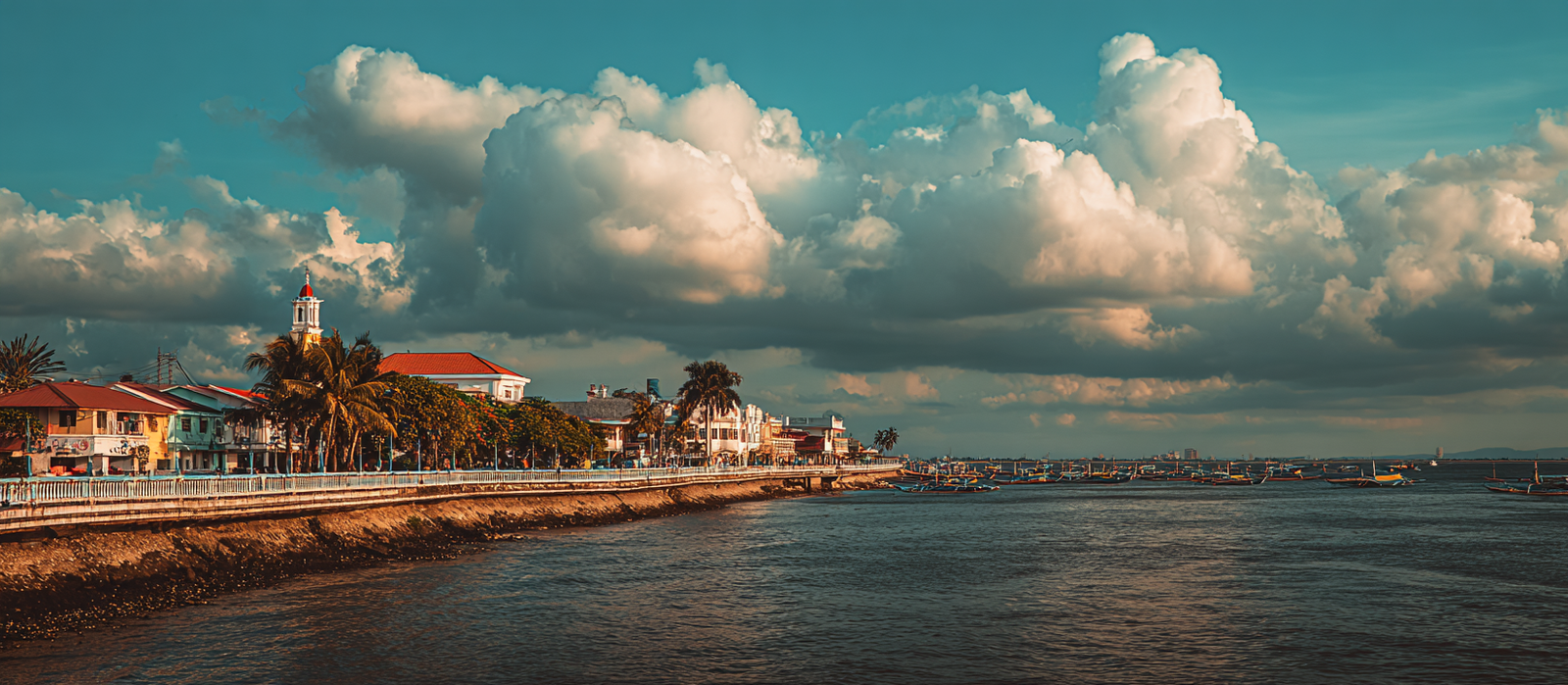

Cavite doesn’t get the same hype as Palawan or Boracay, and that’s honestly part of the appeal. It’s the province just south of Manila that most people only think about when they’re stuck in traffic on the way to Tagaytay for a lake view and a cup of coffee. But there’s a lot more going on here: the province where Philippine independence was declared, a WWII island fortress you can still walk around, old churches, farm resorts, and enough good food that you won’t need to leave for lunch. This Cavite travel guide is built around the questions people actually ask before a trip, how to get there, what things cost in PHP, where to stay, what’s worth your time and what isn’t.
How to Get to Cavite from Manila
Cavite borders Metro Manila directly, so getting there is simple even without a car, though the exact journey time depends heavily on traffic and which town you’re headed to.
- By bus or modern jeepney: The main jump off point is the Parañaque Integrated Terminal Exchange (PITX), which has frequent departures to Dasmariñas, Imus, Bacoor, Tagaytay and other towns throughout the day. A ride to Tagaytay typically runs somewhere around PHP 100-150 and takes roughly 1.5 to 2.5 hours depending on traffic. Buses to closer towns like Bacoor or Imus can take as little as 45 minutes off peak, or well over an hour during rush periods.
- By private car or Grab: Driving gives you the most flexibility, especially if you want to hit multiple towns in one day. From Manila, expect 1 to 2 hours to reach Tagaytay via the Cavite-Laguna Expressway (CALAX) or the older Aguinaldo Highway route, longer on weekends when everyone else has the same idea. Grab works throughout most of Cavite’s urban towns, though availability thins out once you’re deep in rural areas.
- By private van or tour: If you’re short on time or traveling with a group, chartered vans and day tour operators run fixed itineraries covering Kawit’s historical sites plus Tagaytay, which saves you the hassle of coordinating multiple rides.
One thing worth knowing before you go: traffic on the roads leading into and out of Tagaytay on weekends and holidays can turn a 90 minute drive into three hours, particularly Sunday afternoons when everyone is heading back to Manila at once. If your schedule allows it, travel on a weekday or leave very early in the morning.
Best Time to Visit Cavite
The dry season, from around November through May, is the most reliable window. Tagaytay’s elevation keeps temperatures noticeably cooler than Manila, averaging around 22-25°C, which is a big part of why people go there in the first place. December through February is the most comfortable stretch, with lower humidity and clearer views over Taal Lake.
The wet season (June to October) brings afternoon downpours that can obscure the lake views Tagaytay is famous for and make the coastal roads around Cavite City prone to flooding. It’s not a dealbreaker if that’s the only time you can travel, just build in flexibility and expect a foggier, less photogenic version of the highlands.
Historical and Heritage Sites in Cavite
Cavite calls itself the Historical Capital of the Philippines for good reason, and this is the part of the province most guides skim past in favor of Tagaytay cafes.
- Aguinaldo Shrine and Museum (Kawit): This is the actual site where Philippine independence was declared in 1898. Emilio Aguinaldo’s ancestral home is well preserved, entrance is typically free, and you should set aside 1 to 2 hours to go through it properly.
- Corregidor Island: Technically under Cavite’s jurisdiction and one of the most significant WWII sites in the country, Corregidor is a tadpole shaped island covered in ruins, tunnels and gun batteries from the Battle of Corregidor. Ferry service used to run from Manila but that route no longer operates. These days, tours depart from Mariveles in neighboring Bataan, a roughly 20 minute boat ride to the island, and need to be booked in advance rather than shown up to. If you’re planning both Cavite and a Corregidor day trip, it’s worth reading our Bataan travel guide since the logistics run through there now.
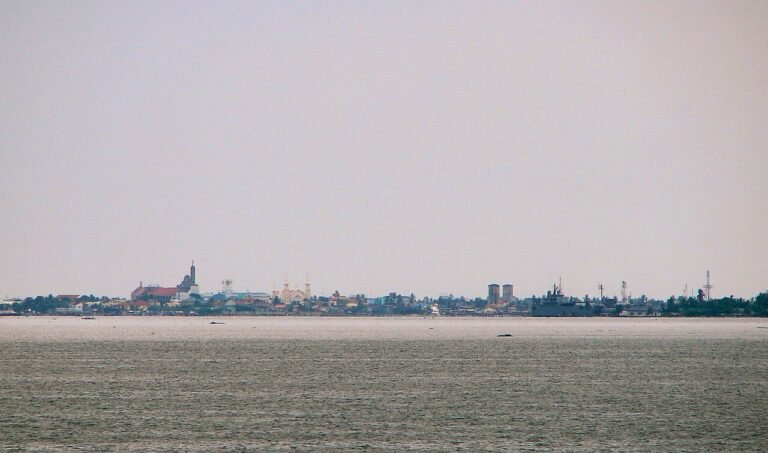
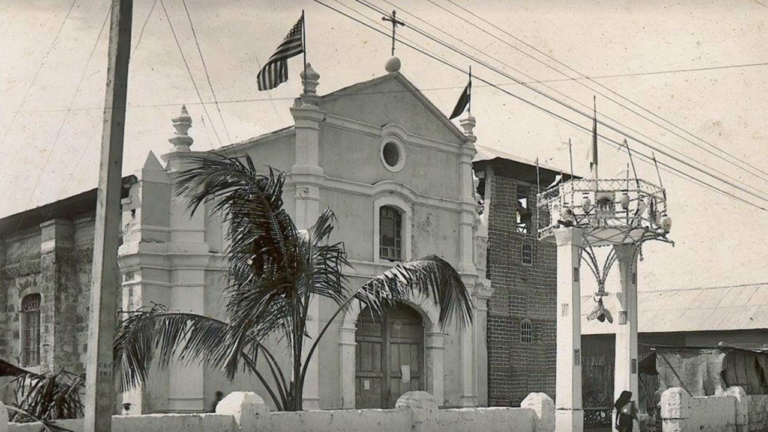
- San Roque Church and Cavite City’s old quarter: Cavite City itself, often skipped in favor of Tagaytay, has a walkable historic core with old churches including San Roque and the ruins scattered around the peninsula from its days as a Spanish naval base.
- Battle of Alapan and Zapote Bridge markers: Smaller historical markers scattered around Imus and Bacoor commemorate key skirmishes of the Philippine Revolution, worth a quick stop if you’re already passing through and interested in the history rather than a dedicated destination.
Top Attractions and Things to Do in Cavite
Most first time visitors gravitate toward Tagaytay, and it’s popular for a reason, but there’s more to the province than the lake view strip.
- Taal Volcano viewpoints and Sky Ranch: Tagaytay’s ridge gives you the classic postcard view of Taal Volcano sitting inside its own lake. Sky Ranch is a small amusement park built specifically to take advantage of that view, with rides charged individually rather than a flat entrance fee. For a fuller rundown of what’s worth doing up there, our guide to things to do in Tagaytay goes deeper than we can here.
- People’s Park in the Sky: An unfinished 1970s hilltop retreat that now functions as a viewpoint with panoramic views stretching from Taal Lake to, on a clear day, Manila Bay. Entrance is minimal, and it’s a good stop if you want the view without the crowds at the main ridge.
- Farm tourism destinations: Cavite has a genuine cluster of agri-tourism spots, good for families or a slower day. Yoki’s Farm in Indang has an eclectic mix of animals and plants, while Paradizoo in Mendez combines a zoo with a working farm. Entrance fees generally run around PHP 200-400.
- Museo Orlina (Tagaytay): A quiet contemporary art museum built around Ramon Orlina’s glass sculpture work, a nice change of pace from the food-focused stops nearby. Entrance runs around PHP 200-300.
- Sonya’s Garden (Alfonso): A flower filled restaurant and bed and breakfast that’s become a minor destination in its own right, popular for a long lunch surrounded by garden paths.
Where to Stay in Cavite
Tagaytay has the widest range of accommodation, but the lowland towns closer to Manila are worth considering too if you’d rather cut travel time on either end.
- Luxury (Tagaytay highland resorts): Upscale resorts with lake views, spas and multiple restaurants on site. Rates generally start around PHP 8,000-15,000 a night. Book ahead for weekends since these fill up fast.
- Mid-range (boutique hotels and vacation rentals): Tagaytay has a good spread of boutique hotels and guesthouses, many with lake views, plus condo units and private homes listed on Airbnb and similar platforms. Expect around PHP 3,000-7,000 a night. Areas near Silang Crossing or the Rotunda tend to be more central.
- Budget (basic hotels and homestays): Simple, no-frills rooms in Tagaytay and larger towns like Dasmariñas and Imus run roughly PHP 1,000-2,500 a night. Book in advance for weekend trips, rates can jump or sell out entirely without much notice.
Where to Eat in Cavite
The food scene leans into two things: Tagaytay’s cafe culture and genuinely good Caviteño home cooking that most tourists never actually try.
- Bulalo: Tagaytay’s signature beef shank soup, sold everywhere from roadside carinderias to sit down restaurants. Expect to pay around PHP 300-500 per serving.
- Tawilis: A small freshwater sardine found only in Taal Lake, usually served fried and crispy. It’s one of the few dishes genuinely specific to this part of the country, worth trying at least once.
- Cafes with a lake view: Tagaytay is dense with cafes built around the Taal Lake view, Bag of Beans and its various branches, Starbucks Domicillo and similar spots are the well known names. Prices run noticeably higher than a normal cafe because you’re paying for the view as much as the coffee.
- Local Caviteño dishes: Away from Tagaytay’s tourist strip, look for Pancit Malabon (a thick noodle dish in a rich shrimp and garlic sauce) and provincial takes on Adobo and Sinigang. Public markets in Cavite City and Imus are a good bet for cheap, authentic food that doesn’t show up on the cafe menus.
What a Day or Weekend in Cavite Actually Costs
Rough numbers, assuming you’re not going ultra budget or ultra luxury:
- Day trip from Manila: Around PHP 1,500-2,500 per person, covering round trip transport, entrance fees to one or two attractions, and meals. Add more if you’re renting a car or joining a private tour.
- Weekend trip (1 night): Roughly PHP 4,000-8,000 per person for a mid-range hotel, meals, transport and a couple of attractions. Budget travelers can bring this down closer to PHP 2,500-3,500 by staying in basic accommodation and sticking to free or low-cost sites.
- Splurge weekend: PHP 12,000 and up per person if you’re staying at a luxury Tagaytay resort, eating at the nicer restaurants, and adding a private tour or two.
Cash still matters here. ATMs are common in Tagaytay and the bigger towns, but smaller eateries, tricycles and market stalls often don’t take cards, so carry enough small bills.
What to Skip (and Why)
Not everything in Cavite is worth your limited time, and it’s worth saying so plainly.
- The most crowded Tagaytay viewpoints on weekends: The main ridge cafes and Sky Ranch get genuinely packed on Saturdays and Sundays, with parking a real headache. If your schedule allows, go on a weekday for the same view minus the crowd and the marked up weekend pricing at some spots.
- Rushing Corregidor as a same day add-on to Tagaytay: These are on opposite sides of the province logistically, with Corregidor accessed via Bataan now rather than Manila. Trying to cram both into one day usually means you shortchange one of them. Pick one per trip unless you have a full weekend.
- Overpriced souvenir stalls near the main attractions: Prices at stalls right outside Aguinaldo Shrine or Sky Ranch tend to run higher than public markets in Imus or Cavite City for similar items. If souvenirs matter to you, shop where locals shop.
Local Tips and Safety
Cavite is a generally safe province for tourists and gets a steady stream of Filipino weekend travelers, not just foreigners, which says something. Standard precautions still apply.
- Traffic awareness: Weekend and holiday traffic on the roads to and from Tagaytay is the single biggest planning headache. Early morning departures and weekday trips avoid most of it.
- Dress in layers: Tagaytay’s elevation means it can feel genuinely cool in the evenings, bring a light jacket even though you’re still technically near Manila.
- Keep an eye on valuables: Pickpocketing isn’t rampant, but crowded markets, bus terminals and jeepney stops are where you’d want to be a bit more alert. Avoid flashing an expensive phone or camera unnecessarily.
- Transport safety: Stick to reputable buses, jeepneys and Grab rather than unmarked vehicles. If you take a tricycle, agree on the fare before you get in, not after.
- Respect local customs: Filipinos are generally warm and welcoming, and a little courtesy goes a long way, using “po” and “opo” with elders or in formal settings is appreciated even if your Tagalog stops there. If your visit happens to overlap with a town fiesta, it’s worth reading up on how town fiestas work before you show up, since the etiquette isn’t always obvious to outsiders.
- Bargain politely: Light haggling at markets is normal and expected, just keep it friendly.
If Cavite leaves you wanting more of this same coastal, small town pace, Nasugbu just across the provincial line is a natural next stop, with beach access that Cavite itself mostly lacks.
More Cavite Guides
Here is what to actually do, plus where to stay.
- Top Things to Do in Cavite: Corregidor, History and Beyond Tagaytay
- Where to Stay in Cavite: Best Areas & Hotels for Every Budget
Where Cavite Is, and Why Everyone Gets It Wrong
Cavite, Philippines is a province rather than a single town, which is the source of most of the confusion. It sits immediately south west of Metro Manila along the shore of Manila Bay, and it stretches from dense, built up cities like Bacoor and Imus down through Dasmarinas and Silang to the cool uplands around Tagaytay on the Cavite and Batangas boundary.
That matters because “how far is Cavite from Manila” has no single answer. Bacoor starts where Las Pinas ends and can be 45 minutes away or two and a half hours away depending entirely on traffic. Ternate and the Kaybiang Tunnel on the far coast are a solid two to three hours out. Tagaytay, which most visitors mentally file under Cavite, is roughly two hours in decent conditions.
There is also Cavite City, a separate small city on a peninsula jutting into Manila Bay, which is not the same as the province and is not where most attractions are. If a listing says Cavite City, check the map before booking.
Is Cavite Worth Visiting?
Straight answer: as a day trip from Manila, yes, particularly if you care about Philippine history. As a standalone holiday destination, not really, and it is better to be told that now.
Cavite is where the Philippine revolution largely happened. Independence was declared at the Aguinaldo Shrine in Kawit. Corregidor sits off its coast. The province is thick with the kind of sites that make the national story concrete rather than abstract, and if that appeals to you it is genuinely rewarding.
What Cavite is not is a beach or resort destination. The Manila Bay coastline is industrial and the water is not for swimming. The province is heavily urbanised in its northern half and the traffic is real. Visitors who arrive expecting a relaxed provincial escape tend to be disappointed.
Getting Around Cavite Without a Car
This is the practical problem. Cavite’s attractions are spread across a large province with no tourist transport linking them, and public transport is built for commuters heading into Manila rather than for visitors moving sideways.
Jeepneys and UV Express vans cover the main corridors and are cheap, with most rides in the 20 to 100 PHP range, but connecting two attractions can mean three transfers. Tricycles handle the last mile and run roughly 30 to 150 PHP depending on distance, agreed in advance.
Grab works reliably in the northern cities like Bacoor, Imus and Dasmarinas, and becomes unreliable in the rural south and west. Do not count on getting a Grab back from Kaybiang Tunnel.
If you want to see more than one or two sites in a day, hiring a car with a driver for roughly 3,500 to 5,000 PHP for the day is the option that actually works. Split between three or four people it is reasonable, and it removes the single biggest source of wasted hours.
Quick FAQ
Is Cavite worth visiting if I’ve already done Tagaytay? Yes. Most people only see the Tagaytay ridge and skip the historical sites in Kawit and Cavite City entirely, which is really a separate trip in terms of what it offers.
How far is Cavite from Manila? Depends on the town. The nearest parts of Cavite are under an hour from Manila in light traffic, while Tagaytay is typically 1.5 to 2.5 hours depending on the route and time of day.
Can I visit Corregidor Island from Cavite directly? Not anymore. Boat access now runs through Mariveles in Bataan rather than Manila or Cavite City, so you’ll need to route through there and book a tour in advance.
Is Cavite safe for solo travelers? Generally, yes. It’s a popular domestic weekend destination with a visible police presence in tourist areas. The usual precautions, staying alert in crowds and avoiding walking around alone late at night, apply here as anywhere.
What’s the best time of year to go? November through May, with December to February being the most comfortable in terms of temperature and rainfall.
Do I need a car to get around? Not strictly. Buses and jeepneys from PITX cover the main towns and Tagaytay, though a car or Grab gives you more flexibility if you’re trying to see multiple sites in one day.
More Philippines Travel Guides
Planning a longer trip? These lesser-visited provinces pair well with a Philippines itinerary:
- Laguna Travel Guide
- Alaminos Travel Guide: Your Gateway to Hundred Islands, Pangasinan
- Quezon Province Travel Guide
Full Sightseeing Itinerary
For a full day-by-day list of what to see: