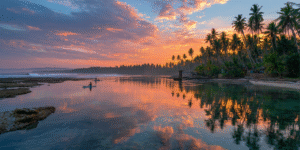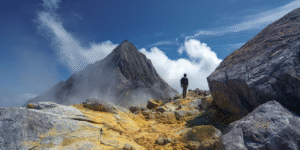

Almost everyone who visits Coron does the same thing: a day tour to Kayangan Lake, Twin Lagoon and Barracuda Lake, back in town by five, dinner on the main road. It is a good day. It is also the most crowded version of the Calamian Islands there is.
Island camping in Coron is the alternative. You charter a boat for two, three or four days, sleep on beaches with no electricity and no signal, and see the parts of the archipelago that the day boats never reach. It is one of the best things you can do in the Philippines, and it is also genuinely uncomfortable in ways the tour photos do not show. Here is what it costs, how to arrange it, and what you actually need to bring. If you have not sorted the journey yet, our guide to getting from Manila to Coron covers the flights and the ferry.
What Island Camping in Coron Actually Means
The standard format is an expedition tour of three days and two nights, or four days and three nights, running between Coron and El Nido, or looping around the Calamian group and returning to Coron. You travel by bangka, the traditional wooden outrigger boat, at a slow pace with frequent snorkel and beach stops.
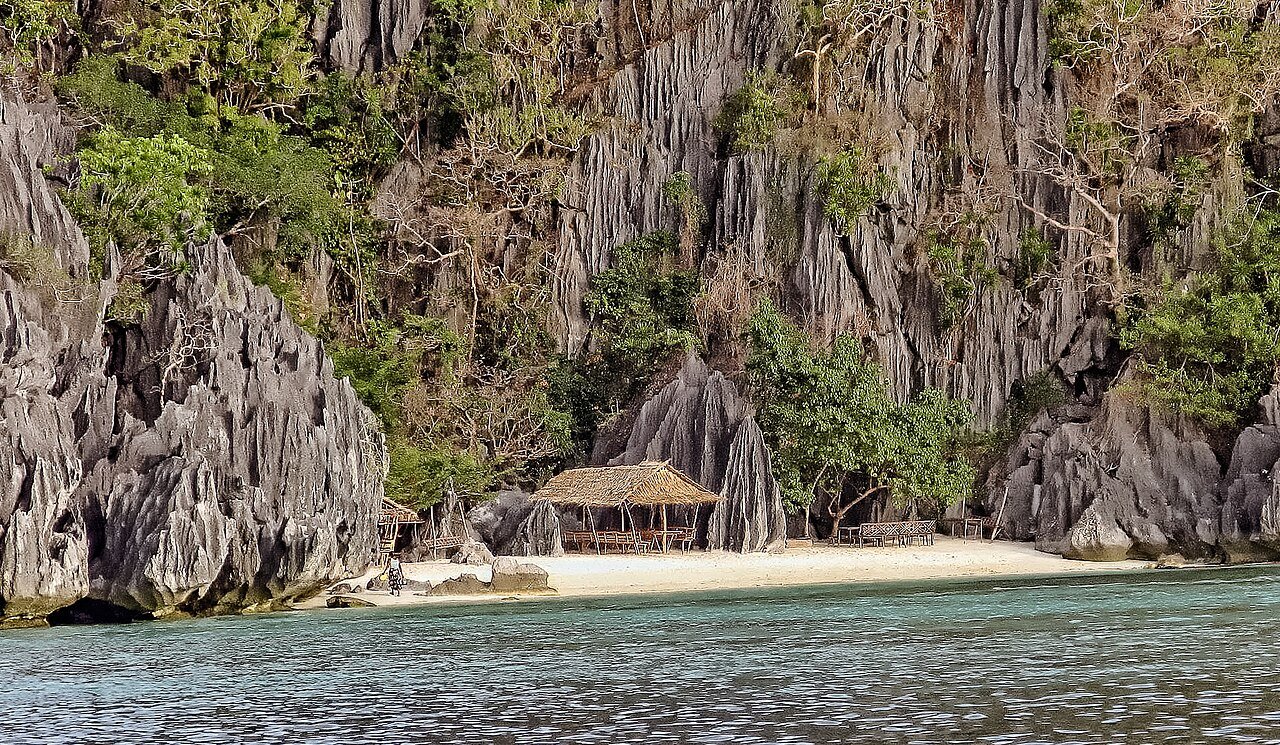
Nights are spent on beaches, either in tents or in simple open sided huts, depending on the island and the operator. There is no electricity. Toilets are basic and sometimes just a dug pit. Showers, where they exist, are a bucket of fresh water. Meals are cooked by the crew on the beach, usually grilled fish, rice, vegetables and whatever was bought at the market that morning.
There are two ways to arrange it. Joining an expedition with an established operator puts you on a boat with eight to twenty other travellers on a set route and schedule. Chartering privately means dealing directly with a boat owner and setting your own route, which costs more per group but far less per head once there are four or more of you.
What Island Camping in Coron Costs
Joined expedition tours between Coron and El Nido run roughly 12,000 to 20,000 PHP per person for three days and two nights, and roughly 16,000 to 26,000 PHP for four days and three nights. That normally includes the boat, all meals, camping equipment, snorkel gear, water and the crew. The well known operators sit at the top of that range and book out weeks ahead in dry season.
Private charters arranged in Coron town run roughly 6,000 to 12,000 PHP per day for the whole boat, depending on size, engine and how hard you negotiate. Fuel is sometimes separate, so ask. Food is usually organised by buying at the market yourself, with the crew cooking it at no extra charge, which typically works out around 400 to 700 PHP per person per day.
Extras to budget for: the Coron environmental fee is around 200 PHP one time. Individual island landing fees run roughly 100 to 300 PHP each, and there are several. Tent and sleeping mat rental, if not included, is roughly 300 to 500 PHP a night. Allow a further 1,500 to 2,500 PHP for these across a three day trip.
For a group of four chartering privately over three days, expect roughly 8,000 to 12,000 PHP each all in. A solo traveller joining an expedition will pay more than that and get a more organised, more predictable trip.
How to Arrange a Private Charter
This is the part most guides skip. Chartering directly is not difficult but it does not happen online.
Boat owners and crews gather around the Coron town public market and the main pier in the early morning, roughly 6 to 8am. This is where trips get arranged, in person, for departures a day or two later. Walking down and talking to people is the whole method.
Things to establish before agreeing anything: whether fuel is included, how many crew are coming and whether they eat from the same food budget, whether the boat has a working radio or satellite messenger, whether life jackets are on board and in usable condition, and exactly which islands the route covers. Get the route agreed specifically rather than as “we will see”, because a vague route tends to become the standard day tour route.
Pay a deposit rather than the full amount up front, and settle the balance at the end. This is normal and no reasonable operator will object.
An honest warning: a handshake charter has no safety oversight, no insurance and no recourse if something goes wrong. Weather judgement is entirely the boat captain’s, and captains have commercial reasons to sail. If you are not comfortable with that, book a registered operator instead and accept the higher price. This is a real trade off and it is not a small one.
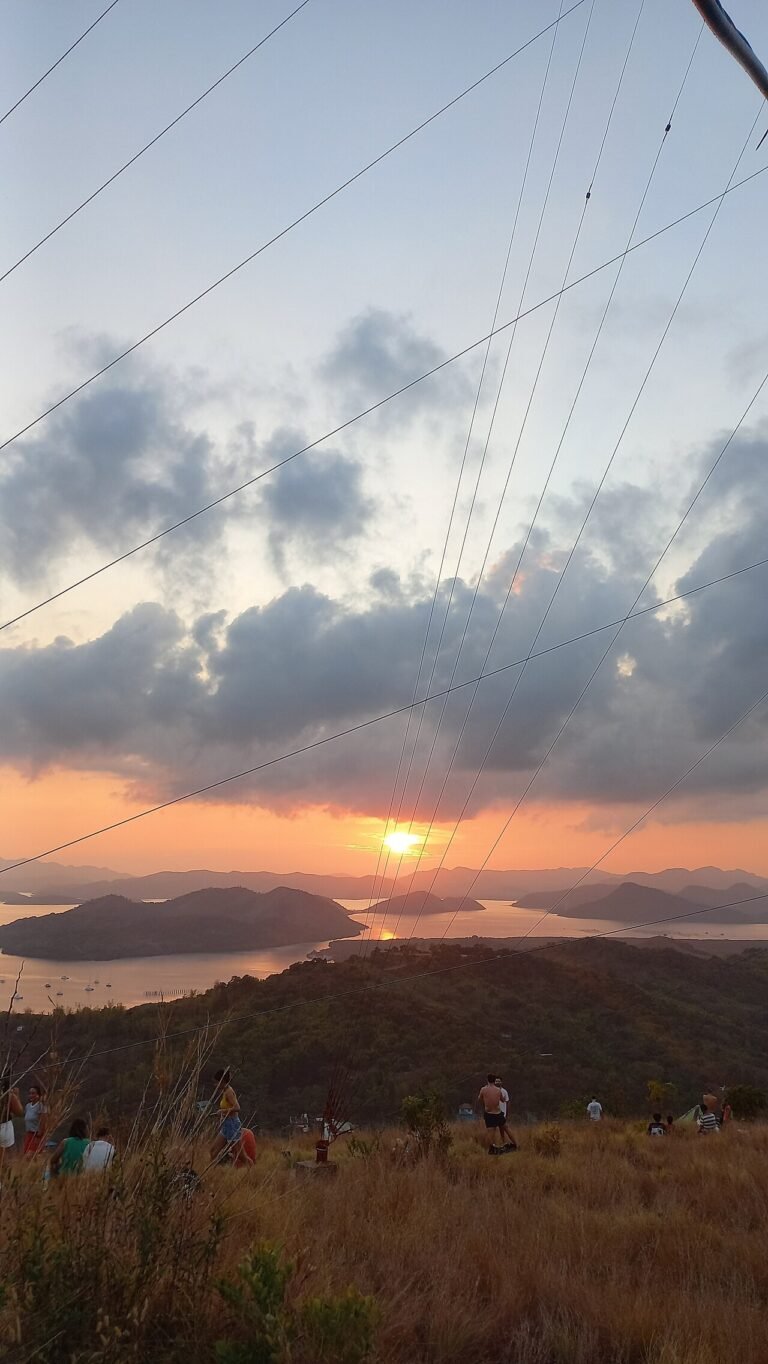
Where the Boats Go
Routes vary but the Calamian expedition circuit tends to cover some combination of the following.
Black Island (Malajon) off the northwest of Busuanga, with a long white beach, a cave, and dramatic dark cliffs. Far enough out that day tours rarely reach it.
Calauit at the northern tip, home to the safari park with African animals introduced in the 1970s. Divisive, and worth reading up on before deciding whether you want to visit.
Culion Island, the former leper colony, with a genuinely moving museum and a Spanish era fort. One of the more interesting stops in the region and almost never on a day tour.
The Linapacan group, between Coron and El Nido, which is where the expedition boats overnight and where the water is at its clearest. This stretch is the reason people do these trips.
Small unnamed beaches throughout the Calamian group, which is what you are really paying for. The best nights are usually on islands with no name on any tourist map.
What to Bring
Pack light, because everything goes on a small boat and gets wet.
Essential: a dry bag, and a second smaller one for electronics. Reef safe sunscreen. A hat and a long sleeved rash guard, since you are on open water all day and the sun on the boat is relentless. Reef shoes or sandals you can swim in. A headtorch. Insect repellent, because sandflies on the beaches are worse than mosquitoes. Basic medication including something for an upset stomach, which is common enough to plan for.
Bring cash in small denominations. There are no ATMs and no card facilities anywhere on the route, and you will need change for landing fees.
Bring your own snorkel and mask if you have one. Rental gear on the cheaper boats is often poorly fitting and leaky, which spoils the best part of the trip.
Bring a power bank, ideally a large one or a small solar panel. There is no charging on board on most boats.
Do not bother bringing: much clothing beyond two changes, anything valuable, or a large hard suitcase, which the crew will struggle to stow.
A Realistic Three Day Itinerary
Routes differ by operator and by weather, but a Coron based loop tends to shape up roughly like this.
Day one leaves the town pier around 8am. The morning is spent clearing the busier water near Coron Island, often with a stop at a lagoon before the day boats arrive, then pushing north or west for two to three hours. Lunch is cooked on board or on a beach. The afternoon is a long slow run to the first camp, arriving with enough daylight to swim and set up. Expect five or six hours of actual boat time.
Day two is the good one. Fewer transfers, more time in the water, and the stops are the small reefs and beaches that make the trip worth the money. Most operators aim for the clearest water on this day.
Day three is a slow return, usually with two snorkel stops and a beach lunch, arriving back in Coron town mid to late afternoon. Book any onward flight for the following day, never the same evening. Our Palawan travel guide covers where this fits in a wider trip.
Distances are longer than they look on a map. A bangka does roughly 15 to 20 kilometres an hour in good conditions and considerably less against a swell, so a lot of each day is spent simply sitting on a wooden bench watching the coast go past. Bring something to read and accept the pace, and if you are routing through the capital first see where to stay in Manila, because fighting it is the fastest way to have a bad time.
How It Compares to a Coron Day Tour
Worth being clear about the trade, since the two experiences are often mentioned in the same breath.
A day tour costs roughly 1,500 to 2,500 PHP, covers the famous sites, gets you back to a hotel bed, and shares those sites with several hundred other people. The scenery at Kayangan Lake and Twin Lagoon is spectacular and no expedition improves on it.
An expedition costs five to ten times as much, skips most of the famous sites, and gives you water and beaches you will have to yourself. The scenery is not objectively better, it is just yours.
Doing both is the sensible answer if you have the time. Two or three days of day tours from town, then a three day expedition, is roughly a week in Coron and it is a very good week. For a base at the other end of the comfort scale, see where to stay in Palawan.
The Honest Downsides
This is the section that matters most, because island camping is oversold in a lot of travel writing.
It is uncomfortable. You will sleep badly on a thin mat, be sticky with salt for days, and have no proper shower. If that sounds unappealing rather than character building, you will not enjoy this.
Sandflies. The bites are small, intensely itchy, and last well over a week. Repellent helps but does not eliminate them. This is the single most common complaint from people who have done these trips.
Weather can wreck it. In the wet season, from roughly June to October, trips get shortened or cancelled and the sea gets genuinely rough. Even in dry season a passing system can confine a boat to shelter for a day.
Toilets. There is no polite way to put this. On many of these islands the arrangement is a dug pit behind a screen, or nothing at all.
It is not cheap. At roughly 8,000 to 20,000 PHP a head this costs more than several nights in a decent hotel with tours included. You are paying for access, not for comfort.
Some operators overcrowd. A boat sold as an intimate expedition can turn up with twenty five people on it. Ask for the exact maximum group size in writing before paying.
Best Time to Go
December to April is the reliable window. Calm seas, clear water, trips run as scheduled. February to April is the best of it. Book several weeks ahead, as the good operators fill up.
May and November are shoulder months, quieter and cheaper, with mostly good conditions and some risk of disruption.
June to October is the southwest monsoon. Multi day boat trips in this period are a gamble. Some operators suspend expeditions entirely. If you go, expect changes and do not book a tight onward connection.
Is It Worth Doing
If you have done a Coron day tour and found yourself looking at the horizon wondering what is out there, yes, unreservedly. Sleeping on an island with no light beyond the fire and no sound beyond the water is a rare thing, and the Calamian group is one of the better places on earth to do it.
If your idea of a good holiday involves a shower and a mattress, do a series of day tours from Coron town instead. You will see Kayangan Lake and Twin Lagoon, you will sleep well, and you will spend less. There is no shame in that, and plenty of people who booked the expedition wish they had done exactly this.
Quick FAQ
How much does island camping in Coron cost? Joined expedition tours run roughly 12,000 to 20,000 PHP per person for three days and two nights. Private charters cost roughly 6,000 to 12,000 PHP per day for the whole boat, which works out around 8,000 to 12,000 PHP per person over three days in a group of four. Budget a further 1,500 to 2,500 PHP for landing and environmental fees.
How do you book a private boat charter in Coron? In person, not online. Boat owners gather at the Coron town public market and main pier from roughly 6 to 8am, and trips are arranged a day or two ahead. Confirm fuel, crew numbers, life jackets and the exact route before agreeing a price, and pay a deposit rather than the full amount.
What should you bring on a Coron camping trip? A dry bag, reef safe sunscreen, a long sleeved rash guard, reef shoes, a headtorch, strong insect repellent for sandflies, a large power bank, basic medication and plenty of small denomination cash. There are no ATMs or card facilities on the route.
When is the best time for island camping in Coron? December to April, with February to April the most reliable. May and November are good value shoulder months. Avoid June to October, when the southwest monsoon causes cancellations and rough seas.
Is island camping in Coron safe? Registered operators with proper equipment are generally fine. Informal handshake charters have no safety oversight, no insurance and no recourse, and weather decisions rest entirely with the captain. Check for life jackets and a working radio or satellite messenger before you board.
Do you need to be fit for a Coron expedition tour? Not especially. You need to be a confident enough swimmer for open water snorkelling and comfortable sleeping rough for a few nights. The physical demands are low, the comfort demands are high.