Donsol doesn’t try very hard to be pretty. It’s a quiet coastal town in Sorsogon with a modest main street and not much in the way of nightlife. And yet people fly in from all over the world for one reason: this is one of the most reliable places on earth to swim next to a whale shark. Add in a firefly river at dusk and a laid back pace that’s hard to find elsewhere in the Philippines, and Donsol earns a spot on the itinerary far bigger than its size would suggest. Here’s what’s actually worth doing while you’re there.
Swim with Whale Sharks (the Main Event)
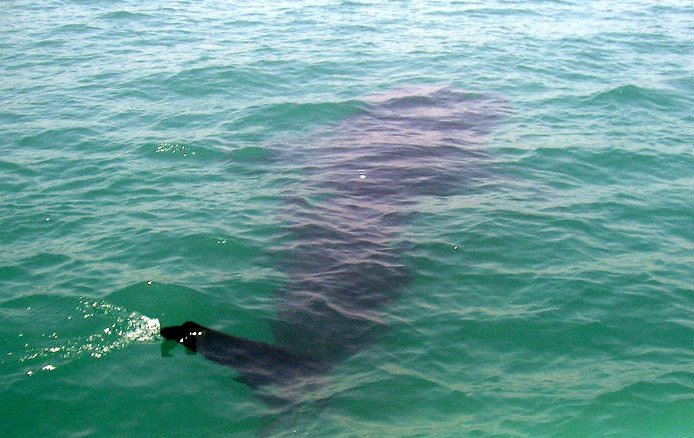
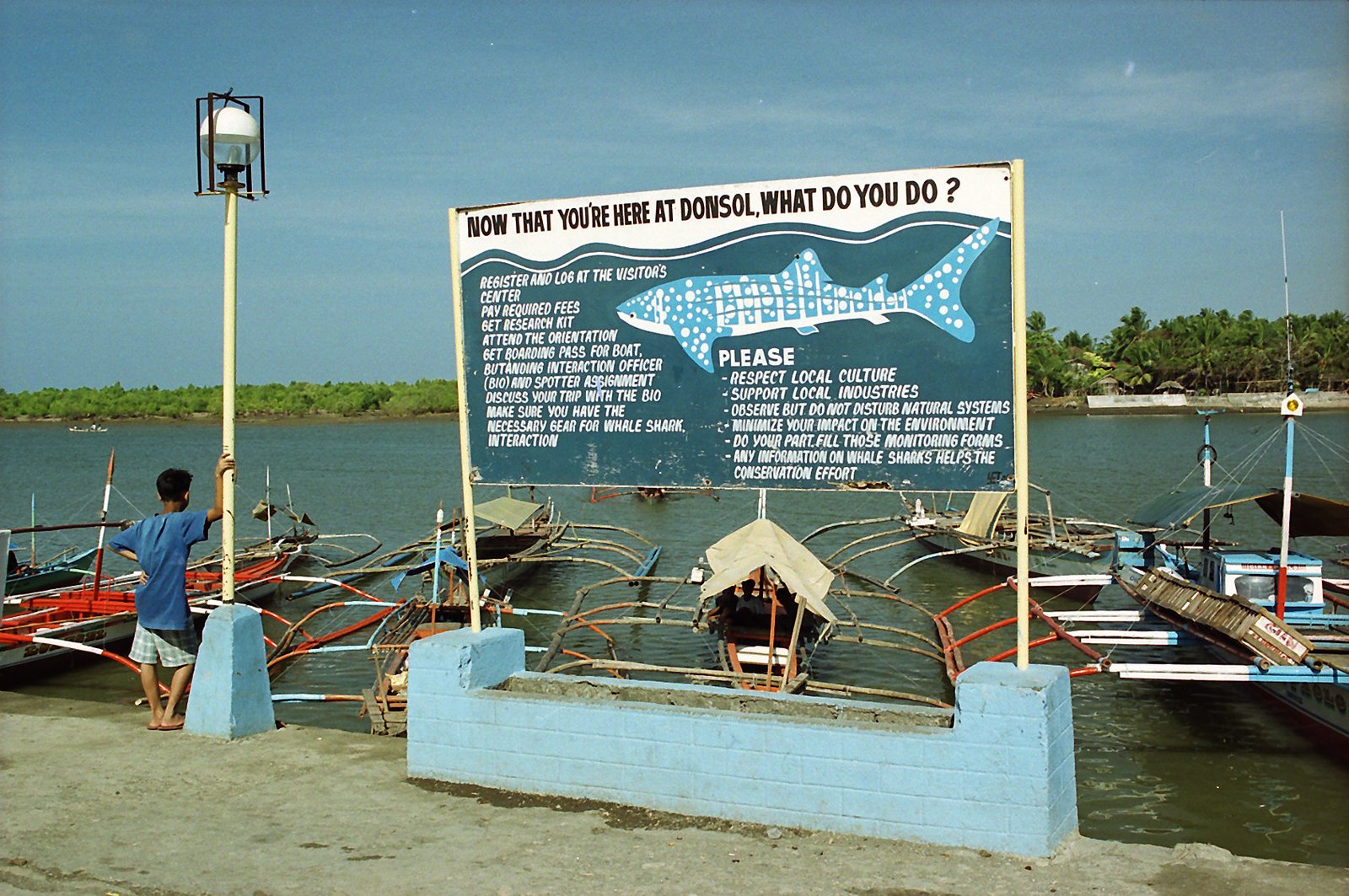
Locally called butanding, whale sharks gather in the waters off Donsol in numbers that make sightings almost routine during peak season, roughly February through May. Tours leave from the Donsol Tourism Office, called BIOs (butanding interaction officers) up front, and take you out by boat to spot the sharks from the surface before you slip in with a mask and snorkel. You’re in the water with an animal that can stretch past 30 feet, and it’s genuinely one of those moments that’s hard to describe until you’ve done it.
Expect to pay a registration fee of around 300 pesos at the visitor center, plus a boat and guide fee that typically runs close to 300 to 500 pesos per person if you book independently, or you can book a full tour package through operators like Klook for a more all in one experience, often priced around 1,000 pesos and up depending on the season and inclusions. Outside peak months (roughly June to January) sightings become less predictable, so if this is the main reason for your trip, timing matters more than almost anything else.
Take the Firefly Watching Tour on the Ogod River
After a full day in the sun, the firefly tour is the perfect contrast. Small boats paddle quietly along the mangrove lined Ogod River after dark, and if conditions are right, the trees light up with thousands of fireflies blinking in sync. It’s a completely different kind of magic from the whale sharks, slower and quieter, and most tour operators in town can arrange it for around 250 to 400 pesos per person. Go on a moonless night if you can, since a bright moon washes out a lot of the effect.
Go Island Hopping Around Ticao Island
If you have an extra day, Ticao Island is a short boat ride from Donsol and worth the detour. It’s less developed than Donsol itself, with quiet beaches, mangrove forests, and a scattering of small lagoons that rarely see a crowd. Boat arrangements can usually be made through your accommodation or the tourism office, and a full day trip typically runs a few thousand pesos split across a group, which is reasonable once shared.
Relax on Donsol Beach and Around Sorsogon Bay
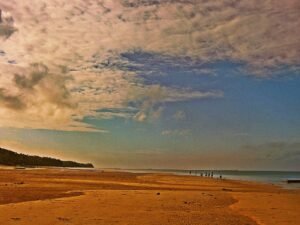
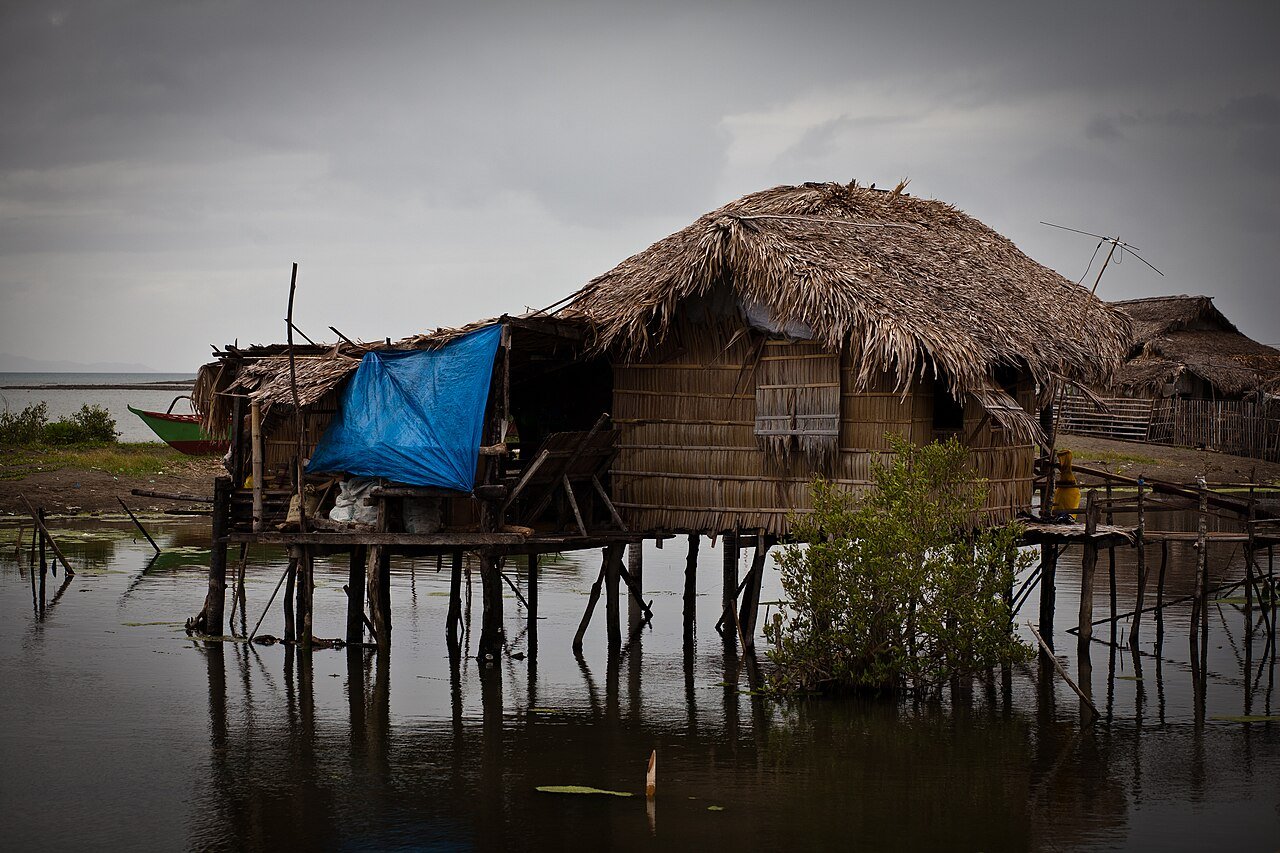
Donsol Beach itself is unassuming compared to postcard beaches elsewhere in the country, but that’s part of its appeal. It’s a good spot for a slow afternoon, a swim, and watching fishing boats come in. Sorsogon Bay more broadly has a few quieter coves worth exploring if you rent a habal habal (motorcycle taxi) for a couple of hours and just poke around.
Visit the Donsol Eco Tourism Center
Before or after your whale shark tour, it’s worth spending twenty minutes at the Eco Tourism Center near the tourism office. There’s a small but informative display on whale shark biology and the conservation rules that keep the interactions sustainable (no touching, no flash photography, limited swimmers per shark). It gives useful context that makes the actual encounter feel more meaningful, and less like a theme park ride.
Try Local Bicolano Food
Bicol cuisine leans heavily on coconut milk and chili, and Donsol is a good place to try it without the tourist markup you’d find in bigger cities. Look for laing (taro leaves in coconut milk), Bicol express, and fresh seafood grilled right on the beach. Most of the eateries in town are simple, family run carinderias, and a full meal rarely runs more than a couple hundred pesos. If you’re passing through the wider Bicol region, the food only gets more interesting, and it’s worth pairing this trip with a look at our Camarines Sur travel guide for what else the area has to offer.
Best Time to Visit Donsol
Peak whale shark season runs roughly February through May, with March and April generally offering the highest sighting rates. Outside that window, particularly June through January, sightings become hit or miss, and some tours may not run at all if there haven’t been recent sightings. If whale sharks are your priority, book your trip within that peak window and try to allow two or three days in case the first tour gets skunked.
Tips for a Smooth Whale Shark Tour
A few things make the experience better and keep it sustainable at the same time. Wear reef safe sunscreen, or better yet a rash guard, since regular sunscreen washes off into the water where the sharks feed. Don’t touch the animals, don’t use flash photography, and keep at least a few meters of distance, all of which your BIO will remind you of before you even get in the water. Boats are limited on how many swimmers can enter per sighting, so be ready to move quickly when your guide gives the signal, since hesitation often means missing the encounter entirely. Mornings tend to have calmer water and better visibility, so early tours are generally the better bet over afternoon slots.
Bring a waterproof bag for your phone if you want photos, since regular cases won’t hold up to repeated splashing on and off the boat. And pack a light breakfast or snack for before the tour rather than a heavy meal, since a full stomach and choppy water don’t mix well for everyone.
How to Get to Donsol
The most common route is to fly into Legazpi (about an hour from Manila) and then take a van, bus, or hired car for the roughly 45 minute to hour long drive to Donsol. Overland travel from Manila is also possible by bus, but it’s a long haul, often 10 to 12 hours, so most travelers prefer the flight and short transfer instead. If you’re combining this with the rest of Bicol, our guide to things to do in Legazpi is a good next stop, since most people base themselves there or pass through on the way.
Where to Stay
Accommodation in Donsol itself is fairly simple, mostly guesthouses and small beach resorts rather than big hotel chains. Many travelers choose to stay right in town near the tourism office for early morning tour departures, though some prefer basing in Legazpi and doing Donsol as a long day trip. Either works, but staying local means you’re not rushing to catch a van at dawn.
Hidden Gems Most Tourists Miss
Beyond the whale sharks, Donsol’s mangrove forests along the coast are worth a slow paddle if you can arrange a kayak, and they’re a nice quiet counterpoint to the boat heavy whale shark tours. The town’s Sunday market is also a low key way to see local life away from the tourism circuit, with produce, fresh catch, and snacks that rarely show up on any tour itinerary.
Plan Your Trip to Donsol
Ready to book? Compare hotels and tours in Donsol below.
- Search Hotels in Donsol on Booking.com
- Compare Hotels in Donsol on Agoda
- Find Tours and Activities in Donsol on Klook
- Book Tours in Donsol on GetYourGuide
Booking through these links may earn us a small commission at no extra cost to you.
Quick FAQ
What is the best time to see whale sharks in Donsol? Roughly February through May, with March and April typically giving the best odds. Outside this window sightings drop off significantly.
How much does whale shark watching cost in Donsol? Expect a registration fee around 300 pesos plus a boat and guide fee, often 300 to 500 pesos per person if arranged independently, or around 1,000 pesos and up for a packaged tour through an operator.
How do I get to Donsol from Manila? Fly into Legazpi, about an hour away, then take a van or car for the short transfer to Donsol. A direct overland bus trip from Manila is possible but takes 10 to 12 hours.
Is Donsol worth visiting outside of whale shark season? Yes, though it’s quieter. The firefly tour, Ticao Island trips, and local food are worth it year round, even if the whale sharks are less predictable outside peak months.
More Philippines Destinations to Explore
Worth adding to a longer Philippines trip: