There are a lot of beautiful places in the Philippines that you can reach with a rolling suitcase and a smile. Batad is not one of them. This tiny Ifugao village sits in a bowl of mountains above Banaue, and the only way in is on foot, down a trail that will introduce you to muscles you had forgotten about. That is exactly why the best things to do in Batad still feel like something you earned rather than something you bought.
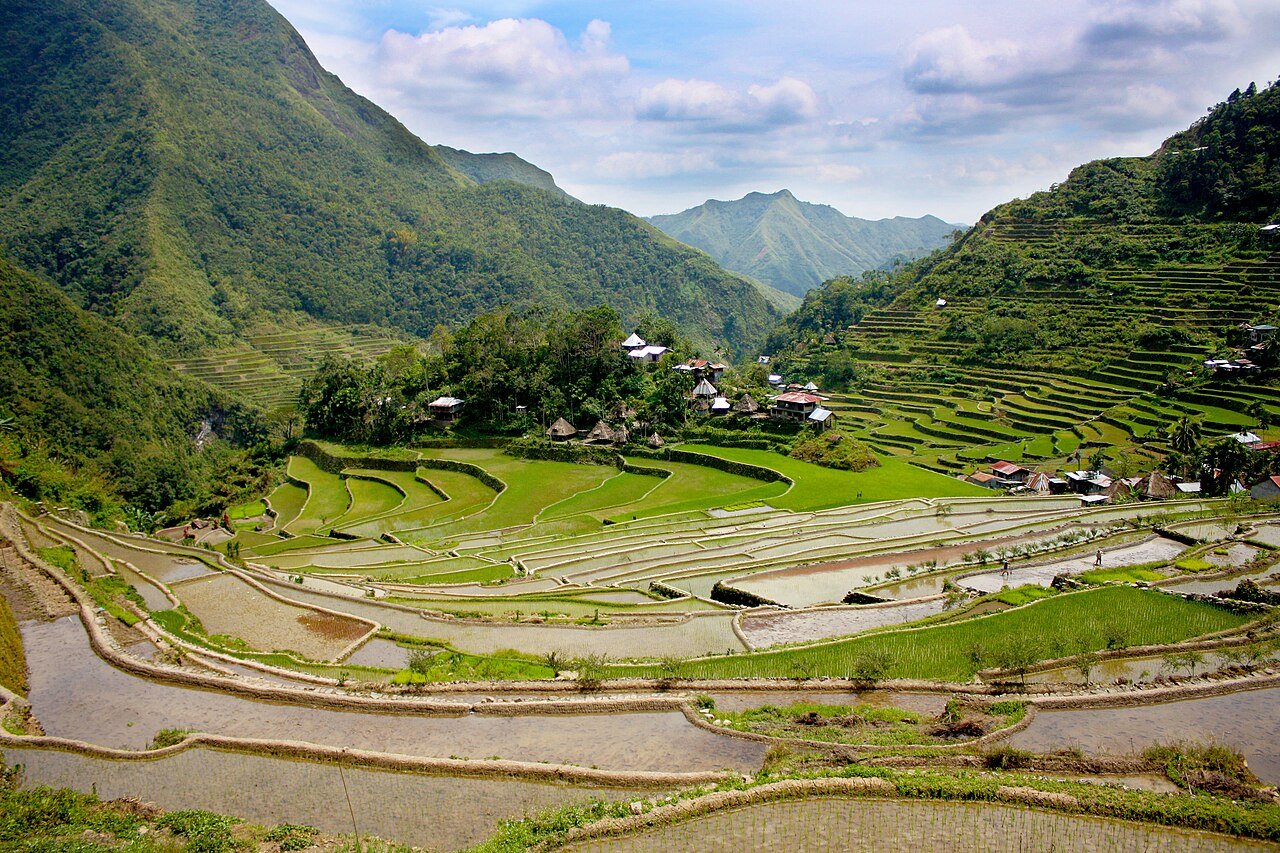
The terraces here are the postcard ones. Not the wide sweeping Banaue viewpoint you see on the old thousand peso note, but a tighter, stranger, more dramatic thing: stone walled paddies stacked into a natural amphitheatre, curving around the village like seating in a Greek theatre. They are part of the UNESCO listed Rice Terraces of the Philippine Cordilleras, and they are still farmed by the families who live below them.
1. Stand at the Batad viewpoint and just look
The first thing everyone does, and rightly. From the ridge above the village, usually a few minutes uphill from wherever you are staying, the whole amphitheatre opens up at once. Photos genuinely do not carry the scale of it, because the thing your eye registers is depth, and a photo flattens that.
Go at sunrise if you can force yourself out of bed. The light comes over the eastern ridge and moves down the terraces in a line, and the mist usually sits in the bowl for the first hour. It is the single best half hour of the trip and it costs nothing.
2. Walk the terrace walls
Looking at the terraces is one thing. Walking on them is another. The dikes between the paddies are narrow stone walls, some of them a metre wide, some considerably less, and you cross the valley by walking along them.
It is not technical, but it does demand attention, and in the wet season the stones get slick. Take it slowly. What you get is a completely different relationship with the place: you are inside the landscape rather than photographing it from outside, and you pass farmers actually working the fields, which is a useful corrective to thinking of this as a scenic backdrop rather than a working agricultural system that is roughly two thousand years old.
3. Hike down to Tappiya Falls
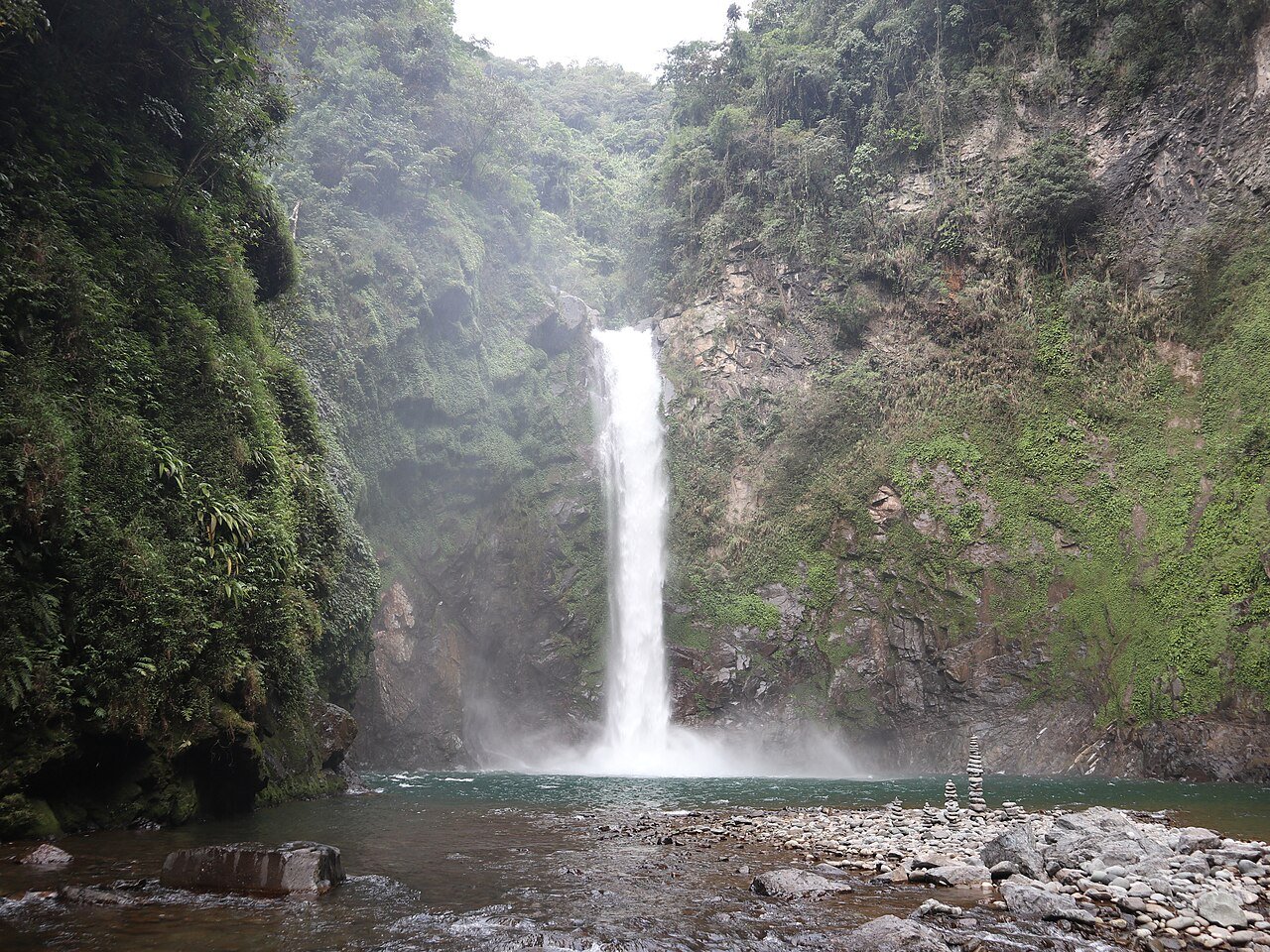
This is the classic Batad day trip and it is worth the sweat. The trail drops from the far side of the village down to a wide waterfall with a deep plunge pool at the bottom.
Expect roughly 45 minutes to an hour going down, and honestly closer to an hour and a half coming back up, because the return is a steep uneven staircase and you will stop a lot. Bring water. Bring more water than you think.
The pool is cold and swimmable, though the current under the falls is stronger than it looks, so stay towards the edges. Late morning is the sweet spot for light and for having the place mostly to yourself.
4. Trek onward to Cambulo and Pula
If you have an extra day, the trail from Batad continues over the ridge to Cambulo, another terraced village, and on to Pula and eventually back towards Banaue. It is a proper full day walk, roughly 5 to 7 hours to Cambulo depending on pace and conditions.
Very few visitors do this, which is precisely the appeal. You get villages with almost no tourism infrastructure, homestays that are somebody actually giving you a room in their house, and long stretches where the only sound is water moving through irrigation channels. You need a guide for this. Do not attempt it on a phone map.
5. Learn how the irrigation actually works
Ask your guide or your homestay host to explain the water system and settle in, because it is the most interesting thing in Batad. Water is channelled from forest above the terraces and moved downhill through the whole stack, field by field, using gravity and a set of customary rules about who gets water when.
The forest above is deliberately maintained as watershed. The terrace walls are dry stone, no mortar, rebuilt by hand when they slump. Once you understand that, you stop seeing the terraces as scenery and start seeing them as engineering, which they are.
6. Stay in a village homestay and eat what is cooked
There are no hotels in Batad in any meaningful sense. Accommodation is homestays and small guesthouses perched on the slope, most with a shared bathroom, some with hot water, all with a view that a resort would charge a fortune for. Expect roughly PHP 500 to 1,200 a night.
Meals are simple and made to order, which means you order dinner in the afternoon rather than at 7pm. Try the local tinawon rice, the heirloom variety grown in these terraces, which has a nuttier flavour than commercial rice. Rice wine, bayah, turns up if you ask.
7. Look properly at Ifugao houses and carving
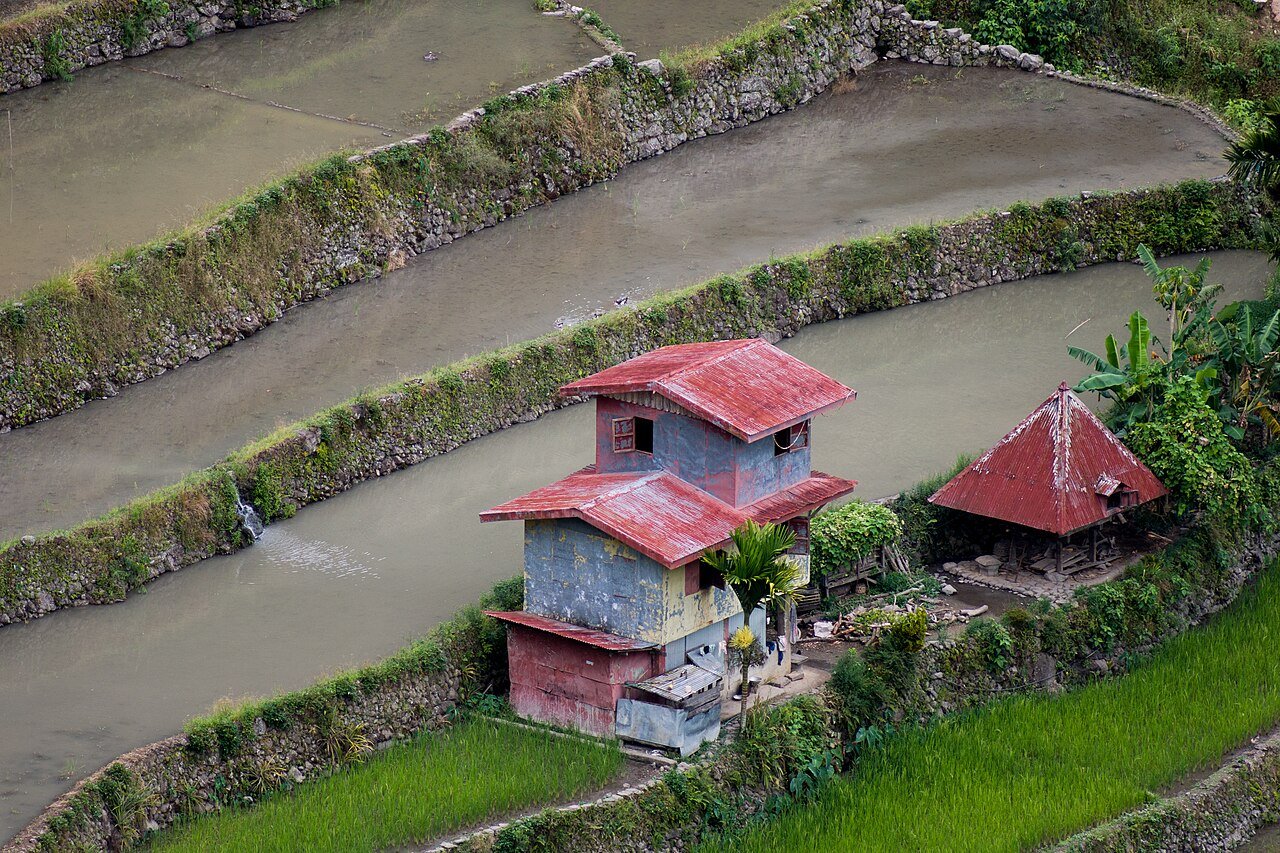
Scattered through the village you will still see traditional Ifugao houses: square, raised on four posts, steeply pitched thatch or tin roof, no windows. The disc shaped rat guards on the posts are the detail most people miss.
Woodcarving is a serious local craft and you will find carved bulul figures, the granary guardians, sold in the village and in Banaue. If you buy one, buy from the carver or the family rather than a roadside stall in town, and expect to pay properly for something hand made.
8. Time your visit to the farming calendar
What you see depends enormously on when you come. Planting happens around January and February, when the terraces are mirrors of water and mud. The terraces turn a deep green from roughly March through May. Harvest is around June and July, when the whole valley goes gold and the village is at its busiest. After harvest the fields are stubble and brown, which is honest but less photogenic.
Green season, so April to early June, is the reliable choice. Just note that this is also the run up to the rainy months, so afternoon downpours happen.
Getting there and practical notes
You reach Batad via Banaue. Our guide on how to get from Manila to Banaue covers the overnight bus in detail. From Banaue you take a jeepney or hired tricycle to the Batad Saddle, roughly an hour on a rough road, then walk down into the village. The walk down takes around 20 to 40 minutes. The walk back up takes considerably longer.
Guides are required for the terrace walks and the Tappiya trail, and this is a genuinely good rule rather than a shakedown. Budget roughly PHP 1,500 to 2,500 per group per day depending on the route. There is also a small environmental or heritage fee, usually around PHP 50.
There are no ATMs in Batad and card acceptance is essentially nil. Bring all the cash you need from Banaue or before. Mobile signal is patchy. Pack light, because whatever you bring you carry down and back up yourself.
For wider context on the region, the customs and the festivals, see our Ifugao travel guide, and if you want a sense of what the bigger Banaue terraces are like on foot, there is this account of hiking them.
Plan Your Trip to Batad
Ready to book? Compare hotels and tours in Batad below.
- Search Hotels in Batad on Booking.com
- Compare Hotels in Batad on Agoda
- Find Tours and Activities in Batad on Klook
- Book Tours in Batad on GetYourGuide
Booking through these links may earn us a small commission at no extra cost to you.
Quick FAQ
How many days do you need in Batad? Two nights is the sweet spot. That gives you a full day for Tappiya Falls and the terrace walk plus a sunrise. One night works but feels rushed after the journey in.
Is Batad hard to reach? Reasonably, yes. You cannot drive into the village. You get to the Saddle by jeepney or tricycle from Banaue, then walk down. The uphill return is the part people underestimate.
Do I need a guide in Batad? For the terrace crossings, Tappiya Falls and any onward trekking, yes, and it is required. For walking around the village itself, no.
What is the best time to visit Batad? Roughly April to June for green terraces, or June to July if you want to see harvest. January and February gives you flooded, mirrored fields.