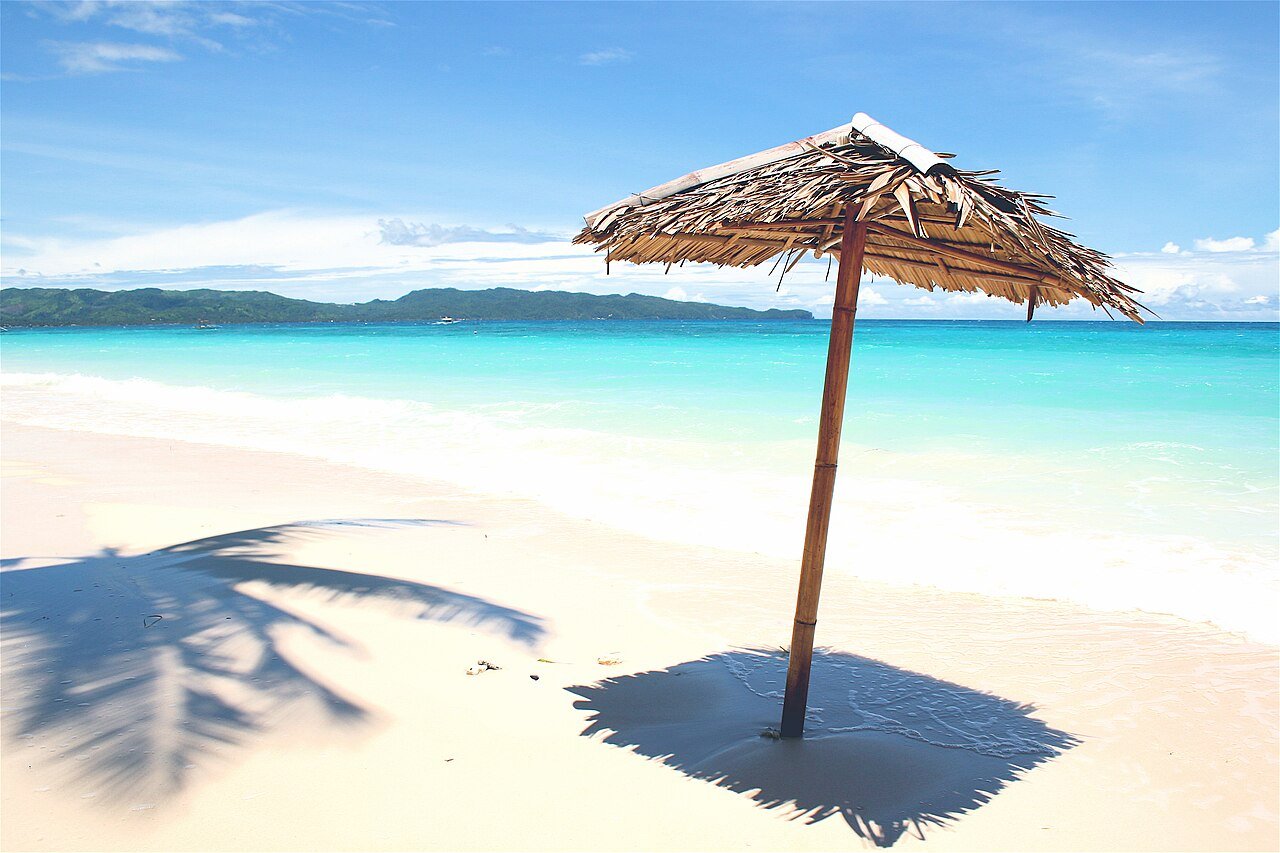
Boracay has a funny way of making the journey worth it. You’ll spend half a day in transit, maybe more, and then you’ll step off a little pumpboat, see that ridiculous stretch of powdery white sand, and forget the whole thing. Still, how you get there matters. Pick the wrong route and you’ll burn a full day and a chunk of your budget before you’ve had your first mango shake. Here’s every realistic way to get from Manila to Boracay, with honest numbers, so you can pick the one that fits your trip.
First, a quick lay of the land
Boracay doesn’t have its own airport. Every route funnels you through Caticlan, a small town on the tip of Panay Island, where boats make the short crossing to the island. So the real question isn’t “how do I get to Boracay”, it’s “how do I get to Caticlan”. You have two airports to choose from: Caticlan (also called Godofredo P. Ramos Airport, code MPH) sits about 10 minutes from the jetty port, while Kalibo (KLO) is roughly 90 minutes away by road. Then there are the slow options, a passenger ferry and an overland bus route, for travelers with more time than money. Let’s go through them.
Option 1: Fly to Caticlan, the fastest way
This is the door-to-beach champion. Philippine Airlines and Cebu Pacific both fly Manila to Caticlan several times a day, and the flight takes about an hour. From the airport it’s a quick tricycle or shuttle ride to the jetty, a short boat hop, and you’re on the island. Realistically you can leave NAIA at breakfast and be swimming before lunch.
The catch is price. Caticlan flights usually cost more than Kalibo flights, often noticeably more in peak season. Expect roughly PHP 2,500 to 6,000 one way depending on how early you book and whether you’re traveling around holidays like Holy Week or Christmas. Book a promo fare two or three months out and the premium over Kalibo shrinks a lot. One more quirk: Caticlan’s runway is short, so flights use smaller aircraft and they’re a bit more sensitive to weather delays.
Option 2: Fly to Kalibo, usually the cheaper flight
Kalibo is the workhorse option, and it’s my pick for budget travelers who still want to fly. Cebu Pacific, Philippine Airlines and AirAsia all serve it, fares tend to run cheaper than Caticlan (promo fares can dip under PHP 1,500 one way if you book ahead), and the airport handles bigger planes, which means more seats and somewhat fewer cancellations.
The trade-off is the land transfer. From Kalibo you’ll ride a van or bus for about 1.5 to 2 hours to Caticlan Jetty Port. Shared shuttles from operators like Southwest Tours wait right outside arrivals and charge around PHP 250 to 400 per person; many sell a combined ticket that covers the van, the boat and the fees, which saves some queueing. Add it all up and Kalibo usually wins on cost but loses about two hours of your day. By the way, Kalibo itself is worth a stop in January, when the Ati-Atihan festival takes over the town. I’ve written about experiencing Ati-Atihan up close if you’re curious what that looks like.
Option 3: The 2GO ferry from Manila
If you like the idea of falling asleep at sea and waking up near the beach, 2GO Travel runs large passenger ships from Manila’s Pier 4 to Caticlan a few times a week. The crossing takes roughly 9 to 12 hours, so it’s an overnight trip, and fares start around PHP 1,200 to 1,500 for a basic bunk in shared accommodation, climbing to a few thousand pesos for cabins. Meals are often included or cheap on board.
Is it worth it? For families with lots of luggage, groups on a tight budget, or anyone who simply hates flying, yes. You also skip baggage fees entirely. Just know that schedules change seasonally, rough weather can delay sailings, and you should book a day or two ahead rather than showing up at the pier. Check 2GO’s current schedule before you plan around it.
Option 4: The overland bus and RORO route
The long way. Buses run from Manila down to Batangas Port, cross by RORO ferry to Calapan on Mindoro, drive the length of Mindoro to Roxas, cross another RORO to Caticlan, and roll up practically at the jetty. The whole journey takes somewhere between 12 and 16 hours depending on ferry connections, and through tickets generally cost around PHP 1,000 to 1,500.
Honestly, I’d only recommend this if you’re on the tightest of budgets, you want to see the countryside, or flights are simply unavailable. It’s doable and plenty of locals travel this way, but it’s tiring, and a missed ferry connection can stretch the trip well past what you planned. If you do it, take a morning departure so the scenic parts happen in daylight.
The final hop: Caticlan Jetty to Boracay
However you reach Caticlan, the last leg is the same for everyone. At the jetty port you’ll pay a small stack of fees: a terminal fee, an environmental fee, and the boat fare itself. Budget around PHP 300 total, and bring small bills because the counters are separate. Pumpboats and larger ferries shuttle constantly during the day, and the crossing to Cagban Port on Boracay takes only 10 to 15 minutes.
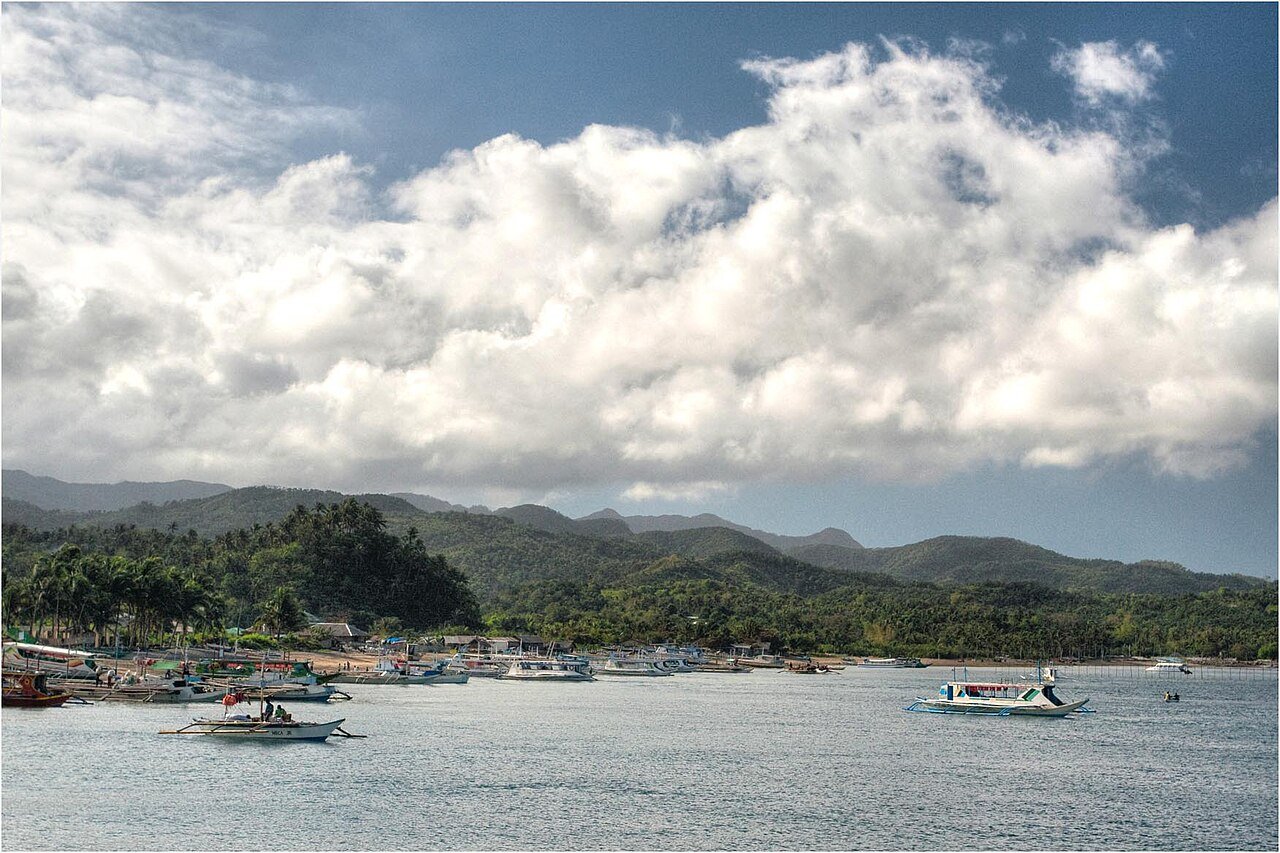
From Cagban, hop on an e-trike or shared shuttle to your hotel. Fares depend on which station you’re heading to, but figure around PHP 150 to 200 for a private trike, less for a shared ride. Note that boats stop running late at night, so if your flight lands in Caticlan after about 9 pm, double-check you can still cross that evening.
Cost comparison at a glance
Rough one-way totals per person, including transfers and jetty fees, booked reasonably in advance:
Fly to Caticlan: around PHP 3,000 to 6,500, total travel time roughly 2.5 to 3 hours door to door.
Fly to Kalibo: around PHP 2,000 to 4,500, total travel time roughly 4.5 to 5.5 hours.
2GO ferry: around PHP 1,500 to 3,000, overnight, roughly 12 hours port to island.
Bus and RORO: around PHP 1,300 to 1,800, roughly 13 to 17 hours all in.
Prices swing with the season. Around Holy Week, Christmas and Chinese New Year, flight prices can double, while the ferry and bus stay fairly stable but sell out earlier.
Which option should you choose?
Short on time or traveling with kids? Fly to Caticlan and pay the premium; the hours you save on day one are worth it on a short trip. Watching your budget but still want a same-day arrival? Kalibo is the sweet spot, especially with a combined van-and-boat ticket. Truly counting pesos, or hauling serious luggage? Take the 2GO ferry overnight and arrive rested enough to enjoy the afternoon. The bus route I’d save for adventurous travelers who genuinely enjoy long hauls.
My personal formula: Kalibo in, Caticlan out. You save money on the way there when you’re fresh, and on the way home the quick Caticlan hop means you’re not stumbling into Manila at midnight.
A few tips to make the trip smoother
Book flights for the morning. Afternoon weather, especially from June to October, causes more delays and the small Caticlan planes feel it first. Keep your luggage under the airline’s limit, since Caticlan flights can be strict. Screenshot your hotel booking, because staff at the jetty sometimes ask where you’re staying. And don’t overplan your arrival day; a slow afternoon on White Beach followed by sunset is the right welcome. If you’re still building your island plan, my rundown of the top things to do in Boracay covers the essentials, and if you only book one activity, make it a paraw sunset sail. Trust me on that one.
Fees You’ll Actually Pay on Arrival
Beyond the fare itself, budget for a few small add-on fees that catch first-timers off guard. Caticlan Jetty Port charges a terminal fee of roughly PHP 100, plus an environmental fee for Boracay of roughly PHP 100, collected on arrival. The boat crossing from Caticlan Jetty to Boracay’s Cagban or Tambisaan jetty runs roughly PHP 35 to 50 for the boat plus a small terminal fee on both ends, and a habal-habal or tricycle to your hotel once you land adds roughly PHP 50 to 150 depending on distance. If you’re flying into Kalibo instead, the van transfer to Caticlan Jetty is usually the biggest add-on cost, roughly PHP 250 to 350 per person and around two hours, so factor that into which flight actually works out cheaper once you add it up.
Best Time to Book and Travel This Route
Flights and the 2GO ferry fill up fastest around Holy Week, Christmas to New Year, and the Ati-Atihan festival in January, so book at least a few weeks out if you’re traveling then. Midweek departures are usually cheaper than weekend ones on both the Caticlan and Kalibo routes. The overland bus and RORO option is the most weather-dependent of the four, since it crosses open water at Roxas or Dumaguit, so build in a buffer day if you’re traveling during typhoon season, roughly June through November, when ferry crossings occasionally get suspended for a day at a time.
Where to Stay Near Each Arrival Point
If you land late or have an early departure, it’s worth knowing your options near the transit points too. Caticlan town has a handful of budget inns near the jetty and airport, roughly PHP 800 to 1,500 a night, useful if you’ve got an early flight out and don’t want to rush from Boracay at dawn. Kalibo has more choice since it’s a bigger town, with budget rooms from roughly PHP 700 and mid-range hotels in the PHP 1,800 to 3,000 range near the airport and town center. Once you’re actually on Boracay, our things to do in Boracay guide covers Station 1 through 3 and where each area suits different budgets and vibes.
What to Skip: Honest Negatives
The overland bus and RORO route is the cheapest option on paper, but it eats a full day or more of travel time, and the RORO ferry crossing itself is not particularly comfortable if the sea is choppy. It’s rarely worth it unless you’re traveling on a tight budget with time to spare. The 2GO ferry is romantic in theory but slow in practice, over 10 hours, and cabin availability is limited, so don’t count on it as a reliable fallback if flights sell out. And however you arrive, don’t believe anyone at the jetty offering a “faster” or “VIP” boat crossing for double the price, the standard boat gets you there just as fast.
Keep small bills on hand for terminal fees since some counters don’t reliably give change, and hold onto your boarding pass or ticket stub until you’ve cleared the final jetty, staff do check it more than once along the way.
More Manila Guides
Rounding out your Manila leg? These cover what to do in the city and the practical basics before you go.
More Boracay Guides
Here is what to do once you arrive and the practical basics.
Quick FAQ
How long does it take to get from Manila to Boracay? Flying to Caticlan, about 2.5 to 3 hours door to door. Via Kalibo, closer to 5 hours. The ferry and bus options take 12 hours or more.
What’s the cheapest way to get to Boracay from Manila? The overland bus and RORO route, at around PHP 1,300 to 1,800 all in, though the 2GO ferry is nearly as cheap and far more comfortable.
Is it better to fly into Caticlan or Kalibo? Caticlan if you value time, Kalibo if you value money. Booked early, the price gap narrows, so compare both before assuming.
Do flights to Boracay get cancelled often? Cancellations happen mostly in typhoon season, roughly June to October, and Caticlan’s smaller aircraft are affected more than Kalibo’s. Morning flights are the safer bet year round.